How to Choose the Right Guitar Pickup: Complete Selection Guide
OEM Buyer Summary
This guide helps OEM buyers select pickup technology and product positioning instead of treating pickup choice only as a player preference.
1. Understanding Pickup Fundamentals
Before diving into selection criteria, it’s important to understand the three main pickup categories:
1.1 Single-Coil Pickups
Characteristics:
- Bright, articulate tone with pronounced highs
- Natural string dynamics and touch sensitivity
- Susceptible to 60Hz electrical hum
- Classic design used in Stratocaster and Telecaster
Best For: Blues, Country, Funk, Surf, Indie Rock, clean-to-moderate overdrive
1.2 Humbucker Pickups
Characteristics:
- Fuller, warmer tone with reduced highs
- Noise-free operation (cancels hum)
- Higher output levels available
- Modern standard for rock and metal
Best For: Rock, Metal, Jazz, Blues with heavy overdrive, high-gain applications
1.3 Active Pickups
Characteristics:
- Built-in preamp requiring battery power
- Extremely low noise and high, consistent output
- More controlled frequency response
- Excellent for studio and high-gain live performance
Best For: Modern metal, progressive rock, studio recording, players needing consistent tone
Quick Pickup Type Selection
Step 1: What guitar do you have?
Acoustic guitar → Piezo or soundhole magnetic pickup
Electric guitar with single-coil routes → Single-coil or humbucker
Electric guitar with humbucker routes → Humbucker only
Step 2: What genre do you play?
Country/Blues/Funk → Single-coil
Rock/Metal/Jazz → Humbucker or Active
Everything → Versatile humbucker
Step 3: How much gain do you use?
Clean to light OD → Low-medium output pickup
Moderate to heavy OD → Medium-high output
High gain/Metal → High output or active
2. Decision Framework: 5 Key Questions
Use this framework to systematically evaluate pickup options:
Question 1: What is your primary genre?
Your musical genre is the single most important factor in pickup selection. Different genres have fundamentally different tonal requirements:
| Genre | Preferred Pickup Type | Output Level | Magnet Type |
|---|---|---|---|
| Blues | Single-coil or P-90 | Low-Medium | Alnico II or III |
| Jazz | Humbucker (neck) | Medium | Alnico II |
| Country | Single-coil | Low | Alnico II or V |
| Funk | Single-coil or P-90 | Medium | Alnico V |
| Classic Rock | Humbucker | Medium | Alnico II or V |
| Hard Rock/Metal | Humbucker or Active | High | Alnico V or Ceramic |
| Progressive/Technical | Active or Modern Passive | High | Ceramic |
Question 2: Clean tone vs. Overdriven tone?
If you play mostly clean with occasional light overdrive, prioritize:
- Single-coil or vintage-voiced humbucker
- Lower output for better headroom
- Alnico magnets for warmth
If you play with moderate to heavy overdrive:
- Medium to high output humbucker
- Ceramic or Alnico V magnets
- Consider active for maximum consistency
Question 3: Neck or Bridge position?
Neck Position:
- Requires more warmth and fullness
- Lower output preferred
- Alnico II or III magnets
Bridge Position:
- Needs more bite and presence
- Higher output acceptable
- Alnico V or Ceramic magnets
Question 4: Vintage or Modern tone?
Vintage Tone characteristics: Warm mids, smooth highs, natural compression, organic feel. Choose: Alnico magnets, moderate wind counts, vintage construction.
Modern Tone characteristics: Extended highs, tight bass, aggressive mids, consistent output. Choose: Ceramic magnets, high wind counts, modern engineering.
Question 5: OEM or Aftermarket?
For OEM production, consider:
- Consistency across units (tight tolerance)
- Supply chain reliability
- Certification compliance (RoHS, FCC)
- Custom branding options
3. Matching Pickups to Guitar Types
3.1 Acoustic Guitars
Acoustic guitars require different pickup technologies than electric instruments:
| Acoustic Pickup Type | Pros | Cons | Best For |
|---|---|---|---|
| Under-saddle Piezo | Natural acoustic tone, consistent | Brittle highs, string-sensitive | Steel string acoustics |
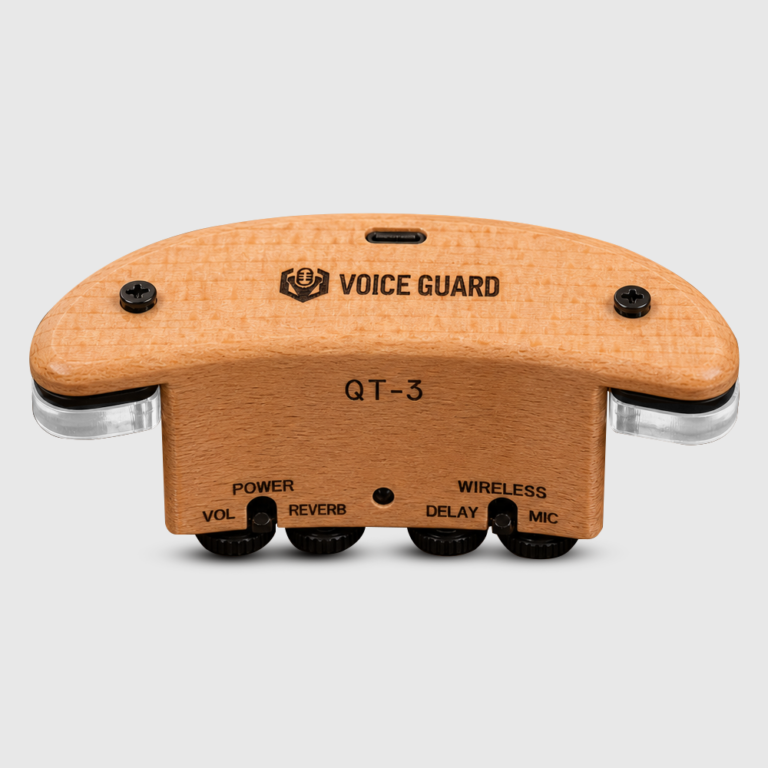
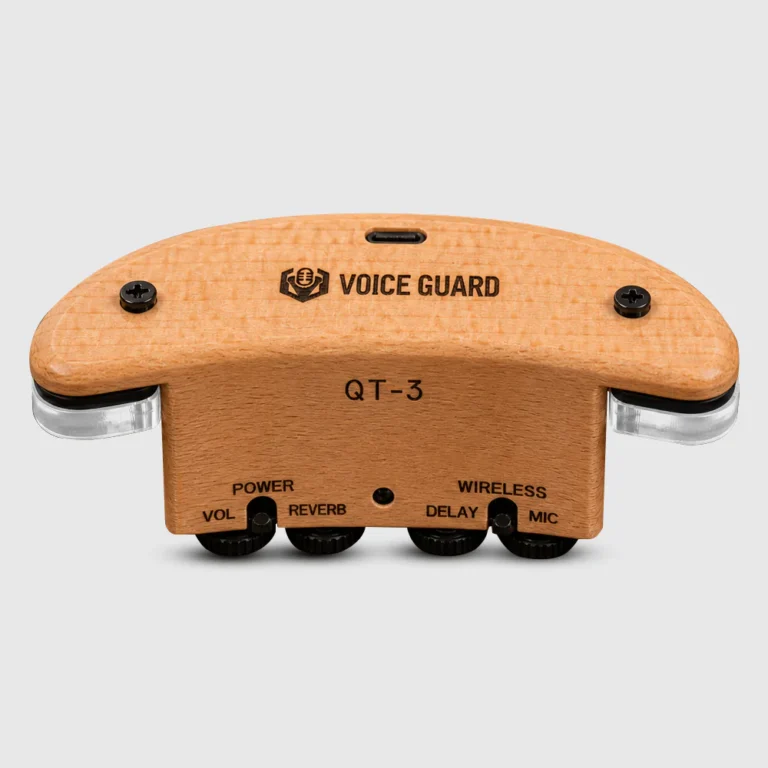
| Soundhole Magnetic | Easy install, guitar-like feel | Less natural acoustic tone | Live performance |
| Side-mounted | Excellent tone, adjustable | Requires professional install | Premium instruments |
| Blend Systems | Combines pickup + mic | Complex setup | Studio-quality live sound |
3.2 Electric Guitars
Stratocaster-Type Guitars
Original design uses single-coil pickups in neck, middle, and bridge positions. Options include:
- True Single-Coil: Vintage tone, hum susceptible
- Stacked Humbucker: Hum-free in single-coil size
- noiseless Single-Coil: Modern electronics, vintage appearance
Les Paul-Type Guitars
Standard humbucker routing. Consider:
- Vintage PAF-style: Warm, dynamic, lower output
- Modern High-Gain: Aggressive, higher output
- Ceramic Humucker: Maximum output for metal
Telecaster-Type Guitars
Bridge pickup is traditionally a tele-style single coil with metal plate. Options:
- Traditional Tele Bridge: Bright, twangy, sharp attack
- Humbucker in Tele Bridge: Fuller tone, no hum
- P-90 Style: Gritty, mid-focused
4. Pickup Selection by Genre
Blues & Classic Rock
Blues
Single-coil or P-90
Alnico II, Low output
Classic Rock
Humbucker
Alnico II/V, Medium
60s Rock
Vintage Single-coil
Alnico II, Vintage spec
Modern Rock & Metal
Hard Rock
Humbucker
Alnico V, High output
Heavy Metal
Active or Ceramic HB
Ceramic, Very high
Progressive
Versatile HB
Alnico V, Versatile
Jazz & Finesse
Jazz
Humbucker (neck)
Alnico II, Warm
Country
Single-coil
Alnico II, Bright
Funk
Single-coil/P-90
Alnico V, Snappy
💡 Pro Tip: The 80/20 Rule
For versatility, many professional players recommend spending 80% of your budget on the neck pickup (where you spend most of your time) and 20% on the bridge. A great neck pickup covers rhythm and lead; the bridge pickup adds versatility for solos and heavier tones.
5. Understanding Technical Specifications
5.1 DC Resistance
Measured in kΩ (kilohms), DC resistance is the most commonly quoted specification:
| Resistance Range | Tonal Character | Recommended Use |
|---|---|---|
| 4-6 kΩ | Bright, vintage sparkle | Clean tones, blues |
| 6-8 kΩ | Balanced, all-purpose | Versatile playing |
| 8-12 kΩ | Hot, mid-boosted | Rock, classic metal |
| 12+ kΩ | Very hot, aggressive | Modern metal |
5.2 Magnet Type Impact
| Magnet | Output | Bass | Treble | Attack |
|---|---|---|---|---|
| Alnico II | Low | Warm | Soft | Smooth |
| Alnico III | Low | Warm | Smooth | Soft |
| Alnico V | High | Tight | Bright | Crisp |
| Ceramic | Very High | Tight | Bright | Sharp |
6. OEM & Custom Build Considerations
6.1 For Guitar Manufacturers
✓ Pre-Production Checklist
- Define target market and price point
- Select pickup brand or OEM partner
- Match pickup to instrument construction
- Test multiple prototypes with target audience
- Establish QC specifications and tolerances
- Verify certification requirements (RoHS, FCC)
6.2 Quality Assurance Points
When sourcing pickups for OEM production:
- Consistency Testing: Measure DC resistance across sample batch
- Frequency Response: Compare to reference curves
- Installation Fit: Verify physical dimensions match routing
- Hearing Test: A/B comparison with established standards
- Durability: Test for pot life and thermal stability
6.3 Cost vs. Quality Matrix
| Price Tier | Typical Use | Quality Characteristics | OEM Suitability |
|---|---|---|---|
| Budget (~$20-50) | Entry-level guitars | Basic performance, higher tolerance variance | Student instruments |
| Mid-range (~$50-150) | Mid-level guitars | Good performance, moderate consistency | Mass-market models |
| Premium (~$150-300) | Professional guitars | Excellent performance, tight tolerance | Pro series |
| Boutique ($300+) | Custom/Artisan builds | Artisan quality, handwound | Limited editions |
Frequently Asked Questions
How do I know which pickup to choose for my guitar?
Choose based on three factors: (1) Your guitar type (electric, acoustic-electric), (2) Your playing style and genre, and (3) Your tonal preferences. For beginners, match the pickup to your genre first, then consider output level and magnet type. When in doubt, a medium-output humbucker with Alnico V magnets offers the most versatility.
What pickup output level should I choose?
Low output (4-6kΩ DC resistance) suits clean tones, blues, and jazz where you want maximum headroom and dynamic sensitivity. Medium output (6-8kΩ) works for versatile playing across genres. High output (8kΩ+) is best for rock and metal where you want saturated tones without needing extreme amplifier gain. Match output to your amplifier and preferred gain levels.
Single coil or humbucker: which is better?
Neither is objectively better—it depends on your needs. Single-coil pickups offer brighter, more articulate tone with pronounced highs and natural dynamics, but pickup electrical hum. Humbuckers provide noise-free operation with fuller, warmer tone. Choose based on your genre: single-coil for country, blues, funk; humbucker for rock, metal, jazz.
Can I mix different pickup brands?
Absolutely. Many players use different pickups in neck and bridge positions. Common combinations include vintage-style single-coil in the neck for warmth and higher-output humbucker in the bridge for lead work. Just ensure the pickups work well with your amplifier and that the output levels are balanced to your preference.
What is the difference between passive and active pickups for OEM?
Passive pickups are simpler and don’t require power, making them easier to implement in OEM production. Active pickups require battery housing and circuit integration, adding complexity but offering consistent output and extremely low noise. For most OEM applications, passive pickups are preferred unless the target market specifically demands active systems (e.g., metal-oriented brands).
Plan Your OEM/ODM Project
Share your target product, market, estimated quantity, branding, packaging and certification requirements with the SoundSentry Technical Team.
View Related Products Request Product Information or a Quote
OEM Buyer Checklist
- Define guitar type, player and market position.
- Compare active, passive and rechargeable options where relevant.
- Confirm magnet, output, noise and installation requirements.
- Plan branding, packaging, accessories and instructions.
Explore products, review our factory information, quality-control approach, OEM/ODM process or request model-specific information.
Frequently Asked Questions for OEM Buyers
Should an OEM buyer choose a pickup only by output level?
No. Consider tone target, noise, installation, electronics, player, guitar type and market position.
Why compare pickups in the same test setup?
Using consistent instruments, electronics and amplification makes sample differences easier to evaluate.
What information should a supplier receive?
Provide guitar type, target player, sound position, installation, electronics, branding, packaging and quantity requirements.