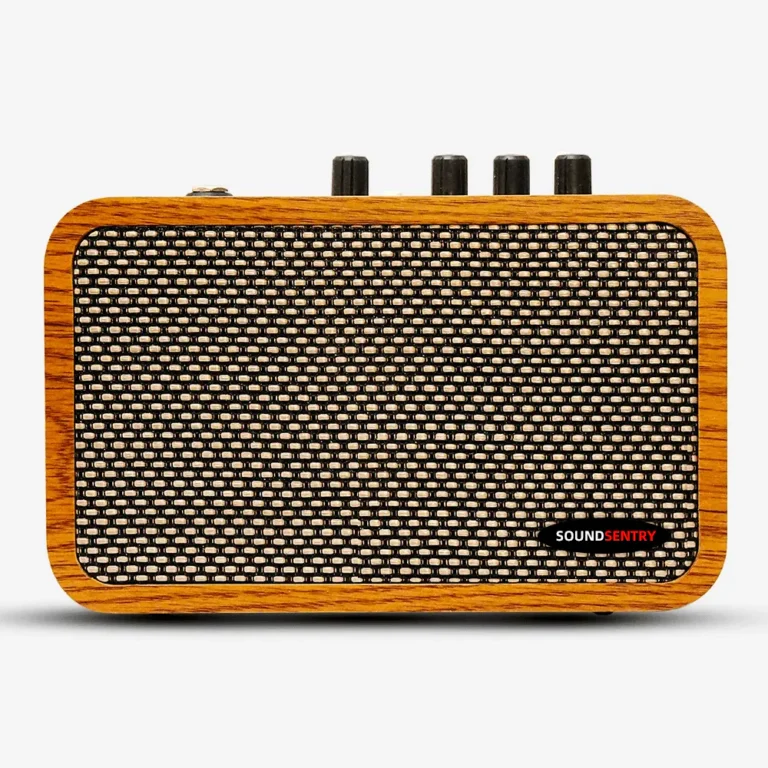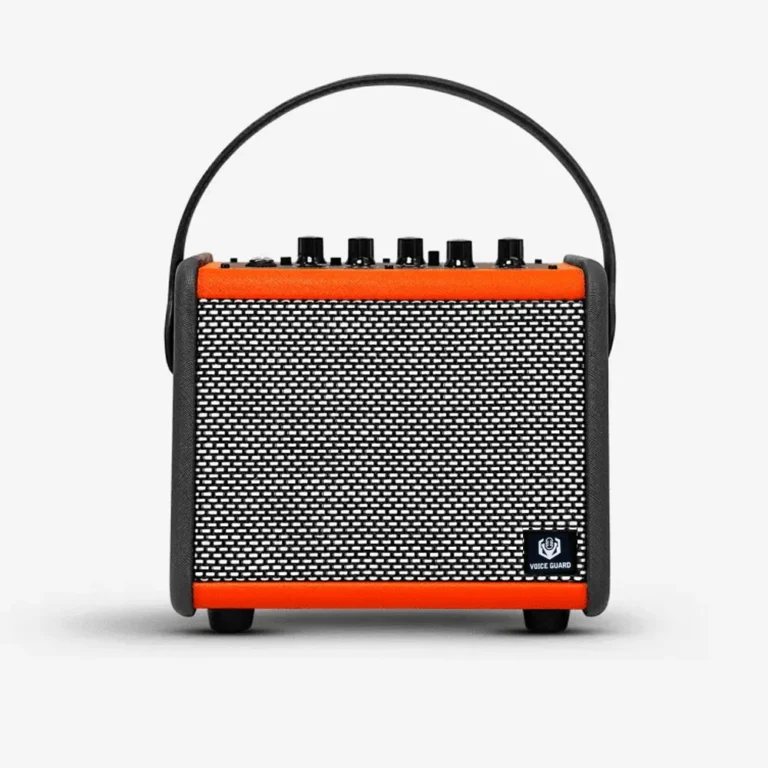
Bluetooth Guitar Amplifier OEM Features for Brands and Importers
A practical guide to Bluetooth guitar amplifier OEM design, including backing track playback, latency, battery life, controls, audio quality, certification and private label planning.
OEM Buyer Summary
This article helps brands select Bluetooth and practice-amplifier functions for an OEM product without treating one model’s features as universal.
Bluetooth Guitar Amplifiers: OEM Features That Actually Matter to Buyers
Bluetooth has become a standard feature in many compact guitar amplifiers. For players, it makes practice easier. They can stream backing tracks from a phone, play along with lessons, or use the amp as a small music speaker between sessions. For brands and importers, Bluetooth also gives the product a clearer selling point in online listings.
Still, not every Bluetooth guitar amp is a good product. Some models add Bluetooth as a checkbox but ignore the details that affect daily use. Poor volume balance, noisy circuits, weak battery life, confusing controls, and unrealistic marketing claims can quickly create customer complaints.
If you are planning a Bluetooth guitar amplifier through OEM or ODM production, the goal should be simple: make Bluetooth useful, stable, and easy to understand.
First, Be Clear About What Bluetooth Does
In most small guitar amplifiers, Bluetooth is used for audio playback from a phone or tablet. It lets the player hear a backing track through the amp while playing guitar through the instrument input.
This is different from using Bluetooth to transmit the guitar signal itself. Standard Bluetooth audio usually has too much latency for live guitar playing. If the player plucks a string and hears the sound even slightly late, the experience feels unnatural.
For that reason, product copy should be accurate. A good description might say:
“Bluetooth audio playback for backing tracks and practice music.”
Avoid saying:
“Wireless guitar playing through Bluetooth”
unless the product has a dedicated low-latency design and has been tested for that purpose. Clear wording reduces returns and protects brand reputation.
Volume Balance Is More Important Than Many Buyers Realize
A Bluetooth guitar amp has two sound sources: the guitar input and the Bluetooth playback. If the backing track is too loud, the guitar disappears. If the guitar is too loud, the backing track becomes useless.
During sample testing, buyers should check:
– Can the guitar and Bluetooth levels be balanced easily?
– Is there a separate Bluetooth volume control?
– Does the backing track distort at high phone volume?
– Does the guitar tone change when Bluetooth is active?
– Is there extra noise when Bluetooth is paired but not playing?
For beginner products, separate controls are helpful. Players do not want to adjust phone volume, amp volume, and guitar volume repeatedly just to practice one song. A simple control layout creates a better user experience.
Bluetooth Version and Module Choice
The Bluetooth module affects stability, cost, power consumption, and certification planning. Buyers do not always need the most expensive module, but they should understand what the supplier is using.
Ask these questions before sample approval:
– Which Bluetooth version is used?
– Is the module pre-certified?
– What audio codecs are supported?
– What is the tested connection range?
– Is the antenna design fixed or customizable?
– Has the module been used in previous mass production?
For basic backing track playback, the module does not need to be over-specified. Stability matters more than fancy marketing language. A mature, reliable module is usually better than a new module with unclear documentation.
Battery Life and Bluetooth Playback
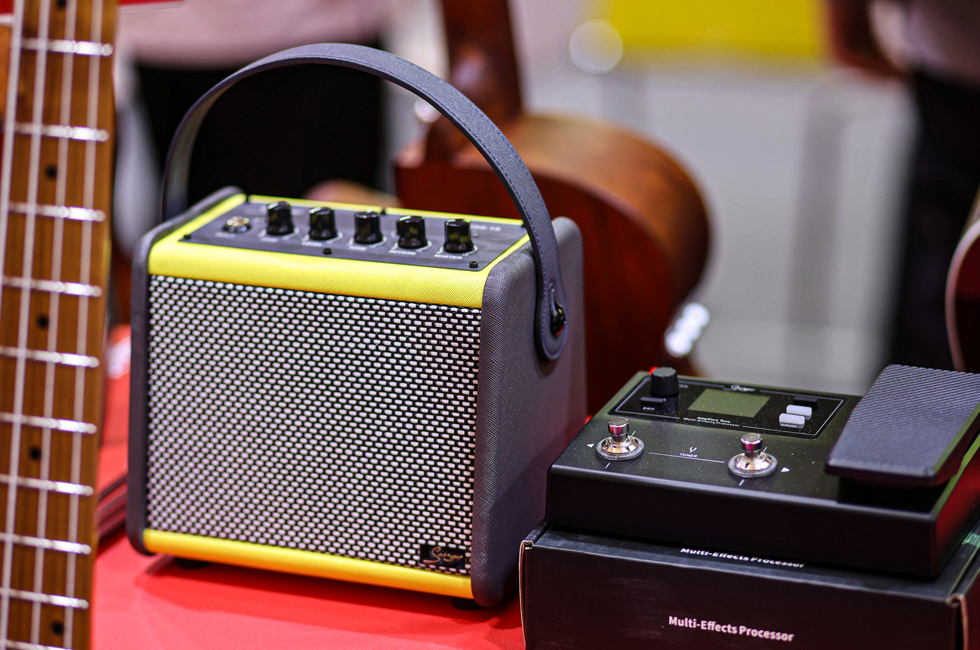
Bluetooth playback affects power consumption. If the amp also includes rechargeable battery operation, the buyer should test runtime with realistic use: guitar input active, Bluetooth music playing, and volume set at a normal practice level.
A useful test report should include:
– Battery capacity
– Charging time
– Runtime with guitar only
– Runtime with guitar and Bluetooth playback
– Runtime at low, medium, and high volume
– Protection circuit details
For online sales, avoid the temptation to publish the best possible runtime if it only happens at very low volume. A more conservative claim often creates fewer after-sales problems.
Audio Quality: Backing Tracks Should Not Sound Like an Afterthought
Some guitar amps sound acceptable with guitar but poor with music playback. The speaker and cabinet may be voiced only for guitar mids, so backing tracks sound narrow or harsh. This may be acceptable for very low-cost products, but it should be understood before ordering.
If the amp will be promoted as a practice amp with Bluetooth, test it with:
– Drum tracks
– Full band backing tracks
– Acoustic guitar songs
– Bass-heavy music
– Spoken lesson audio
The amp does not need to sound like a hi-fi speaker, but the playback should be clear enough for practice. If the speaker rattles or the cabinet vibrates badly, the design needs adjustment.
Effects Can Add Value, But Only If They Stay Quiet
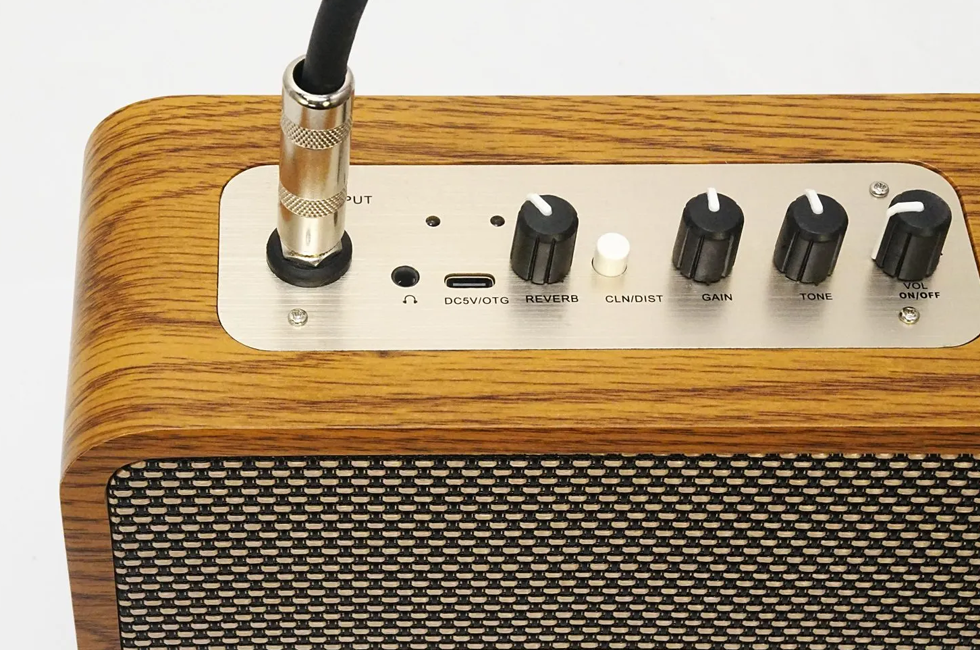
Bluetooth guitar amps often include clean and distortion channels, and sometimes reverb, chorus, or delay. Effects make the product more attractive, especially for beginners who do not own pedals.
However, noisy effects can make the amp feel cheap. During sample review, check the noise floor with each effect on and off. Listen with both speaker and headphone output. Also check whether the effect level is usable across the knob range or only at one small setting.
For a private label project, it is better to have two or three good effects than a long feature list that sounds weak.
Certification and Market Access
Bluetooth products may require additional certification depending on the target market. Buyers should discuss FCC, CE, RoHS, and battery shipping documentation early. Certification planning should not wait until the goods are ready to ship.
Important documents may include:
– CE declaration
– FCC documentation
– RoHS compliance
– Battery test report if applicable
– User manual safety wording
– Product label requirements
Using a pre-certified Bluetooth module can reduce risk, but it does not automatically solve every compliance requirement for the final product. The finished amplifier still needs proper labeling, documentation, and market-specific review.
Private Label Details
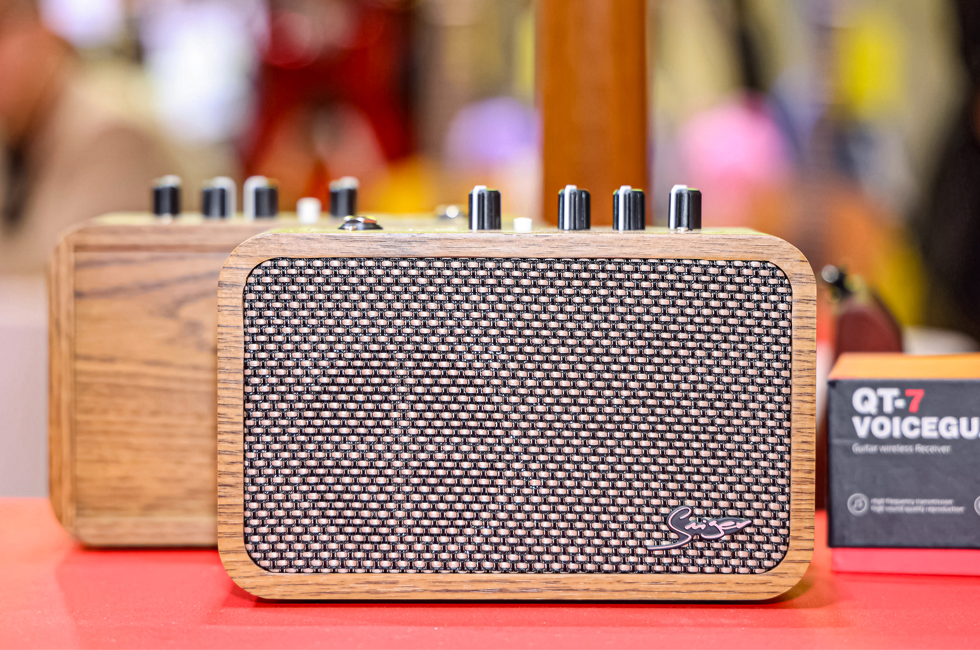
A Bluetooth guitar amp is often sold online, so the product needs to look trustworthy in photos. Buyers should prepare branding requirements early:
– Logo size and position
– Control panel language
– Color options
– Packaging artwork
– Manual design
– Product listing photos
– Feature icons for e-commerce
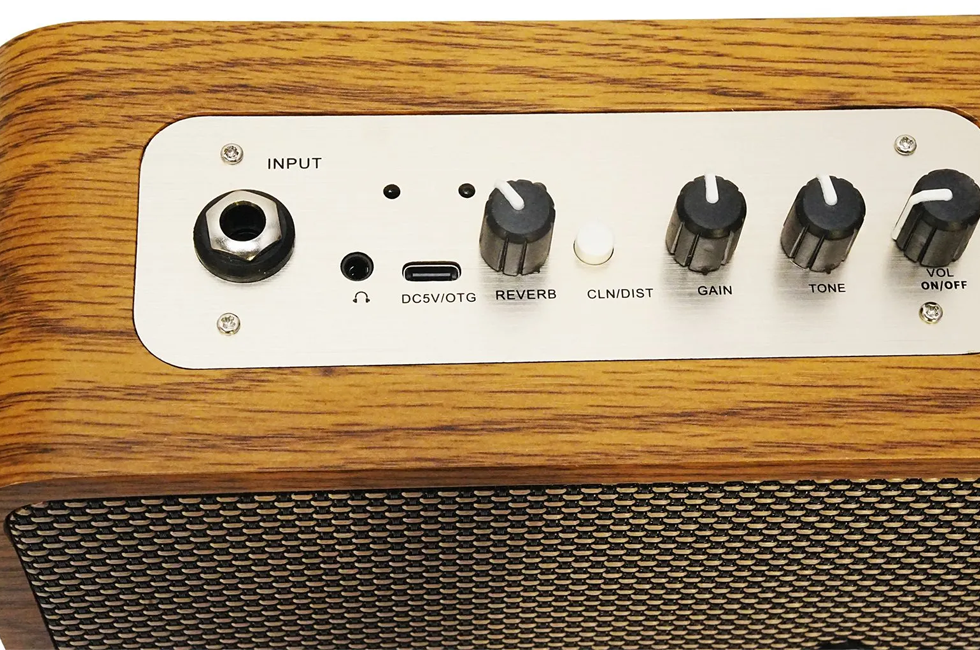
Small design choices matter. A clean control panel and readable labels can make the product feel more professional even before the buyer hears it.
Final Thought
Bluetooth is valuable when it improves practice. It should not be treated as a decoration. For OEM buyers, the best Bluetooth guitar amplifier projects are built around real user behavior: pairing a phone, playing a backing track, adjusting volume, practicing quietly, charging the battery, and carrying the amp from room to room.
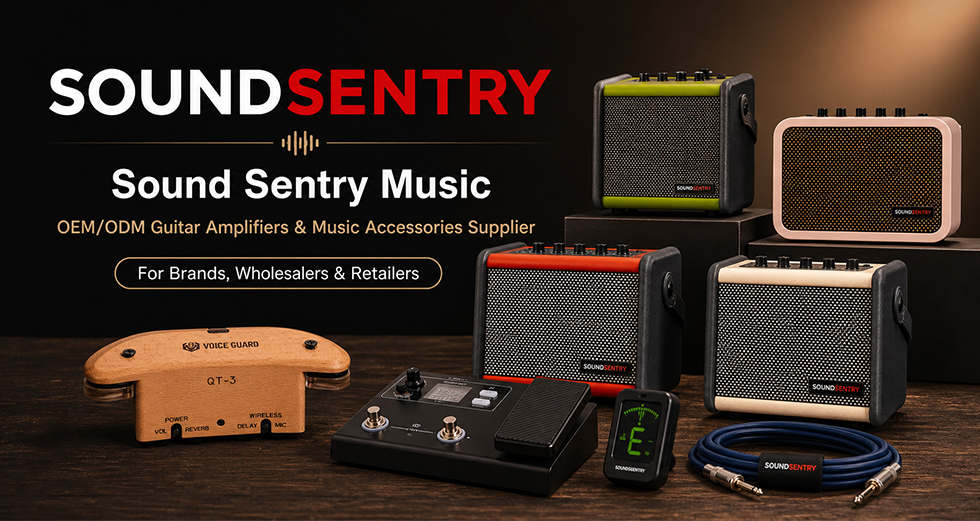
Sound Sentry Music works with brands and distributors on OEM/ODM guitar amplifiers, including Bluetooth-enabled practice amps and portable models. A strong project brief should include target market, power range, speaker size, battery requirements, Bluetooth function, effects, packaging, and certification needs.
FAQ
Can Bluetooth be used for live guitar transmission?
Standard Bluetooth is usually not suitable for live guitar signal transmission because latency can be noticeable. For live wireless guitar playing, a dedicated low-latency wireless system is usually better.
Is a pre-certified Bluetooth module enough for export?
It helps reduce risk, but the final product may still need proper documentation, labeling, testing, and market-specific compliance review.
What is the most important Bluetooth feature in a guitar amp?
For most practice amps, stable backing track playback and good volume balance are more important than advanced codec names.
Plan Your OEM/ODM Project
Share your target product, market, estimated quantity, branding, packaging and certification requirements with the SoundSentry Technical Team.
View Related Products Request Product Information or a Quote
OEM Buyer Checklist
- Define Bluetooth playback or app-control requirements.
- Confirm clean, distortion and effects functions.
- Specify headphone, recording and auxiliary connections.
- Confirm rechargeable or external power requirements.
- Choose enclosure color, branding and control labels.
- Define packaging, target market and required documentation.
Continue with our OEM/ODM process, quality-control approach, certification guidance or request model-specific information.
Frequently Asked Questions for OEM Buyers
Does every Bluetooth guitar amplifier support app control?
No. Bluetooth playback, app control and other connected functions depend on the specific amplifier design and must be confirmed by model.
How should battery duration be evaluated?
Confirm the battery configuration and test duration under defined volume, function and charging conditions for the selected model.
What should be approved in an OEM amplifier sample?
Review sound and functions, controls, connections, power, Bluetooth behavior, appearance, branding, packaging and documentation.