Rechargeable Guitar Amplifier Buying Guide for Wholesale Buyers
Compare battery, USB-C charging, runtime tests, safety documents and packaging before sourcing rechargeable guitar amplifiers in bulk.
Quick answer: Wholesale buyers should not select a rechargeable guitar amplifier from the advertised wattage and battery-life figure alone. A useful comparison identifies the exact battery configuration, charging input, included power accessories, operating modes, test conditions, protection behavior, destination-market documentation and production inspection method. The approved sample, packaging copy and purchase specification should all describe the same configuration.
Rechargeable amplifiers can fill several retail roles: a compact practice amp, an easy travel product, a mobile lesson tool or a small performance accessory. That range creates commercial opportunity, but it also makes quotations difficult to compare. One supplier may quote runtime at low clean volume, another with Bluetooth playback, and a third without stating the operating conditions. USB-C may describe the connector but not the supported charging behavior. A battery capacity may be a cell rating rather than the usable energy available to the complete amplifier.
This guide gives importers, distributors, retailers and private-label product managers a buyer-owned method for comparing rechargeable guitar amplifiers wholesale. It is a procurement framework, not a claim that every model uses the same battery or charging design. Model-specific specifications, documentation and commercial terms must be confirmed before ordering.
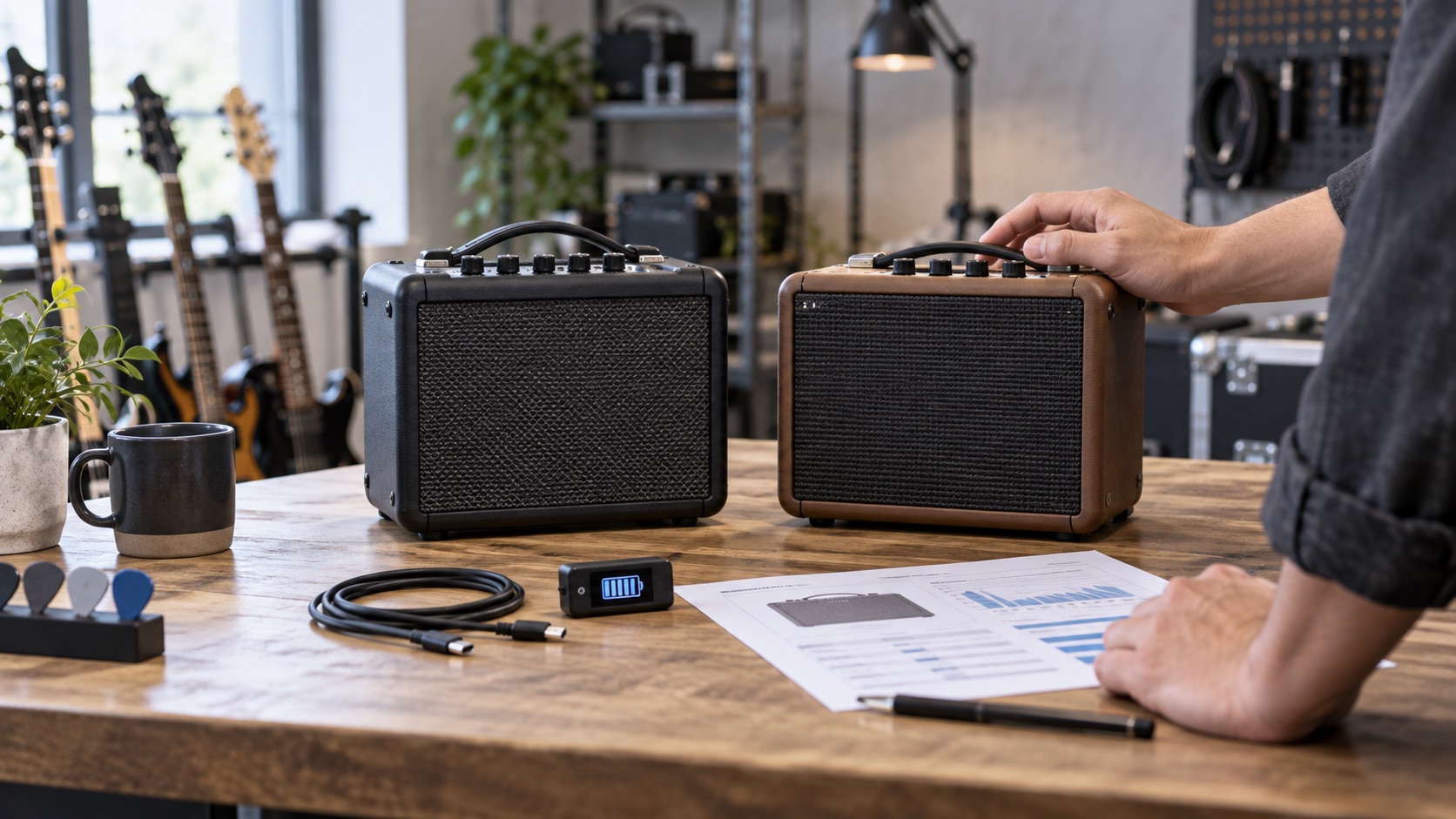
Editorial illustration: compare the power system, operating conditions and evidence behind each quotation.
Why rechargeable guitar amplifier quotations are hard to compare
Two amplifiers can look similar in a catalog while serving different users. One may emphasize low-volume home practice and headphone use. Another may include several effects, Bluetooth playback, recording functions or a larger speaker. Those functions draw power differently and influence the battery, enclosure, control layout and price.
The quotation may also leave important boundaries unstated. “USB-C charging” does not by itself confirm the input voltage, current, supported chargers, power-delivery behavior, charging while playing or whether a cable and adapter are included. “Eight-hour battery life” is incomplete without volume, input source, effects, wireless playback, battery age and end-point conditions.
For B2B purchasing, the objective is not to force every supplier into one design. It is to make each offer traceable. The buyer should know which figure is supplier-declared, which function was observed on a sample, which document applies to the selected battery and which statement is approved for packaging.
Define the retail use case before discussing the battery
Start with the intended customer and channel. A rechargeable amp for beginners sold through music stores needs a different balance from a travel-focused accessory sold online. Define where, how and for how long the product is expected to be used.
Record at least:
- Primary instrument and pickup type.
- Home practice, lesson, travel, retail demo or light performance role.
- Typical volume range and whether headphones are important.
- Clean, overdrive, reverb, chorus or other required sound functions.
- Bluetooth playback, auxiliary input, recording or OTG requirements.
- Target size, weight and carrying method.
- Expected charging environment and included accessories.
- Destination markets, manual languages and packaging route.
- Required branding, color and carton scope.
This brief helps the supplier propose a relevant platform. It also stops the sourcing team from comparing a basic practice amp with a more feature-rich model solely on unit price.
Build a battery and charging specification table
Ask every supplier to complete the same table. If a value is unknown, mark it pending instead of filling the gap with an assumption.
Battery fields to request
Request the battery chemistry, nominal voltage, rated capacity, pack arrangement, replaceability, protection method and model-specific supporting documents. Clarify whether capacity is stated in amp-hours, watt-hours or both, and whether the figure describes a single cell or the complete pack.
Watt-hours can be more useful than milliamp-hours when comparing packs with different nominal voltages, but the calculated energy still does not predict exact amplifier runtime. Amplifier efficiency, speaker load, control settings, effects, Bluetooth operation, limiting and protection behavior all affect use.
Ask whether the battery is installed at shipment, packed with the product or supplied separately. That decision affects packaging, logistics and documentation. The buyer should confirm the applicable transport and market requirements with qualified service providers for each route rather than relying on a generic supplier statement.
Charging fields to request
Record connector type, input rating, supported charging modes, recommended charger, cable specification, full-charge indication, approximate charge time under stated conditions and whether the amplifier can operate while charging. If charging during use is allowed, ask whether audio noise, heat or performance changes were evaluated.
USB-C is a connector family, not a complete performance promise. A product can use USB-C while accepting only a defined basic input. Do not advertise universal laptop-charger compatibility or fast charging unless the exact behavior is confirmed for the approved revision.
Planning a rechargeable amplifier range?
Send the intended market, channel, functions, branding scope and target quantity through Contact Us. Available configurations and documentation must be confirmed for the selected model.
Treat runtime as a test result, not a decorative number
A runtime figure becomes useful only when its conditions are repeatable. Agree a buyer test before sample approval. Record the sample ID, battery state, charge procedure, instrument or playback source, channel, volume, effects, Bluetooth status, room conditions and end point.
Use more than one scenario when the product has multiple roles:
- Low-volume practice: a realistic home-practice setting with the specified input and effects.
- Typical mixed use: guitar plus any common playback or effect functions.
- Demanding use: a higher but appropriate operating level that checks stability, heat and protection behavior.
Do not average unrelated scenarios into one unqualified promise. If marketing needs a range, connect it to a written test basis and use cautious wording. A sample result is not a permanent guarantee for every battery age, temperature, control setting or production unit.
Battery indicators also deserve evaluation. Check whether the display or LED gives the user enough warning to finish a session, whether the unit shuts down predictably and whether charging status is understandable. An attractive runtime claim will not prevent returns if the user cannot tell when charging is required.
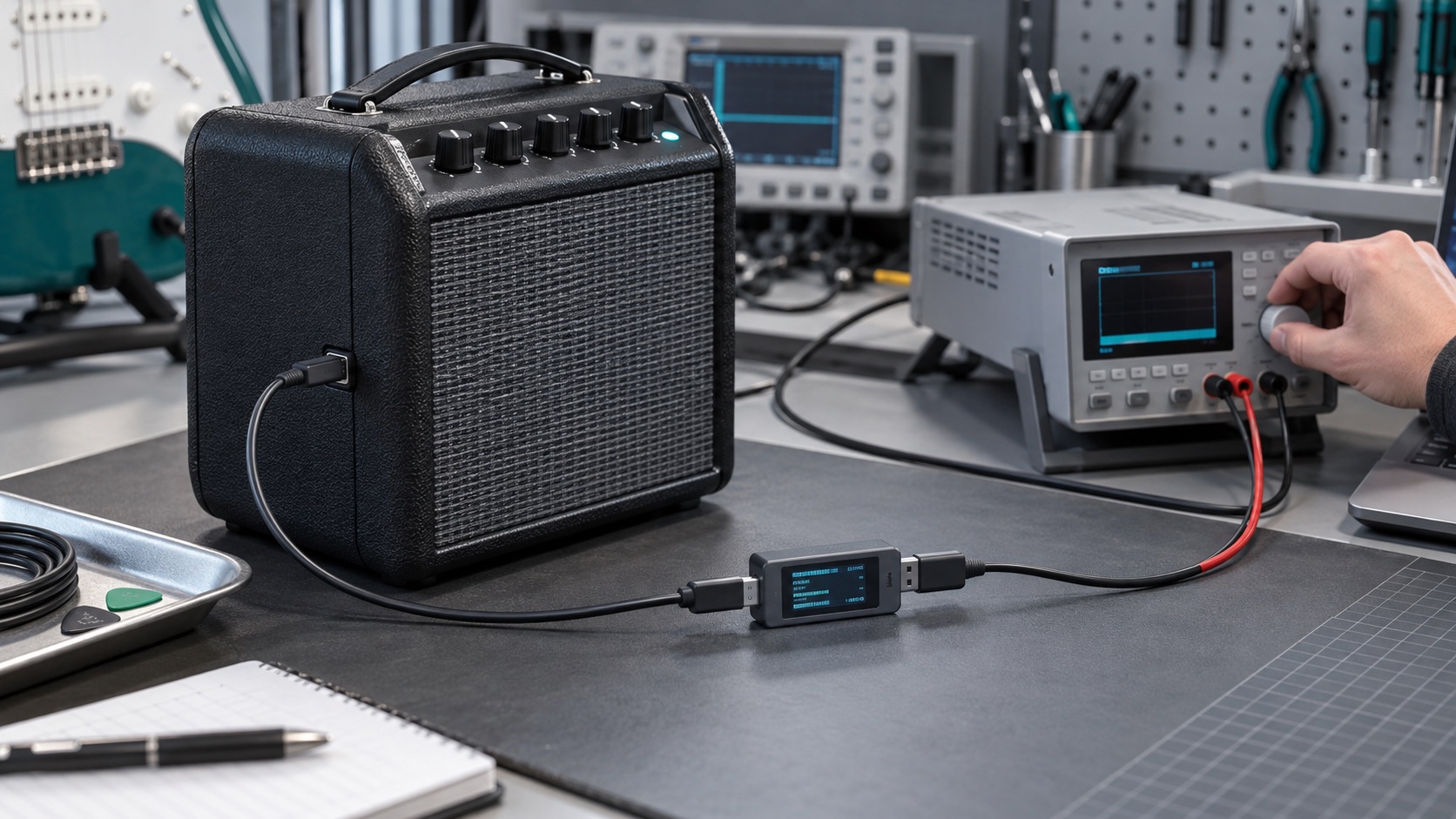
Editorial illustration: document the charger, cable, settings and end point behind every runtime result.
Evaluate charging behavior on the actual sample
Use the supplied or recommended charging accessories and record their ratings. Inspect connector fit, cable retention and strain relief. Repeat plug-in and removal cycles appropriate to the sample plan. Check whether the connector remains aligned and whether the cabinet or control panel flexes during normal use.
Observe the product during charging from a defined starting state. Record indication behavior, approximate time, surface temperature observations and any interruptions. If the amplifier can play while charging, listen for added noise and verify that controls, Bluetooth playback, recording and headphone output still behave as specified.
Do not open or stress lithium battery packs without a qualified procedure. Abnormal odor, swelling, excessive heat, damaged insulation or unstable charging should stop the test and trigger supplier review. Buyer staff should follow the battery maker’s handling information and applicable safety procedures.
Compare the complete amplifier, not only the battery
A rechargeable power system cannot compensate for an unsuitable amplifier. Evaluate tone controls, gain range, speaker behavior, unwanted noise, headphone output and included effects under the intended use case. Confirm all inputs and outputs. Check Bluetooth, auxiliary playback, internal recording or mobile OTG only when these functions are part of the selected configuration.
Portable design also changes the purchasing decision. Review handle strength, cabinet edges, control protection, feet, grille, connector placement and balance while carrying. A very small cabinet may be attractive for shipping and display but must still meet the agreed user experience. Weight and dimensions should be measured on the approved sample and reflected consistently in the product file.
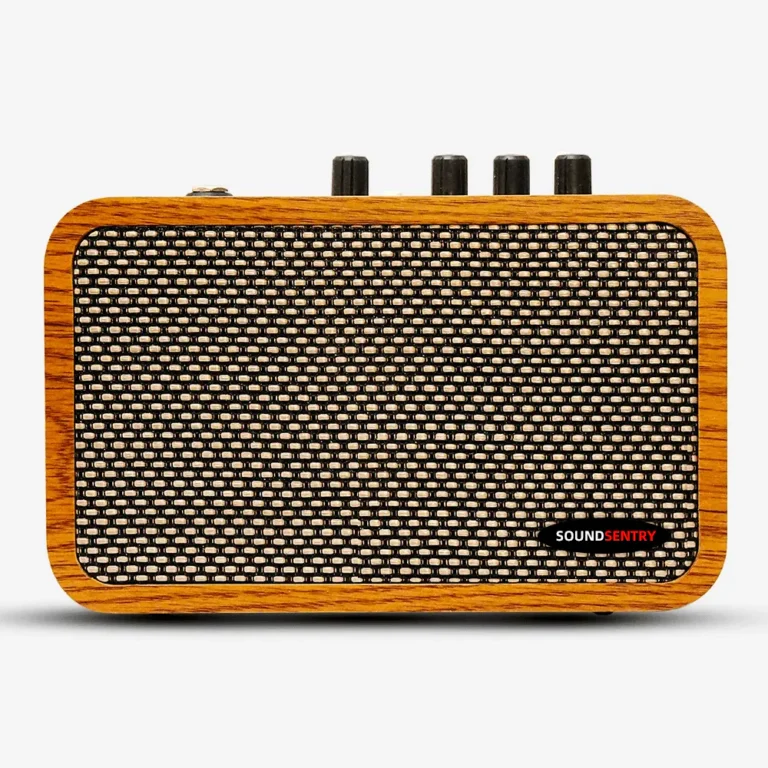
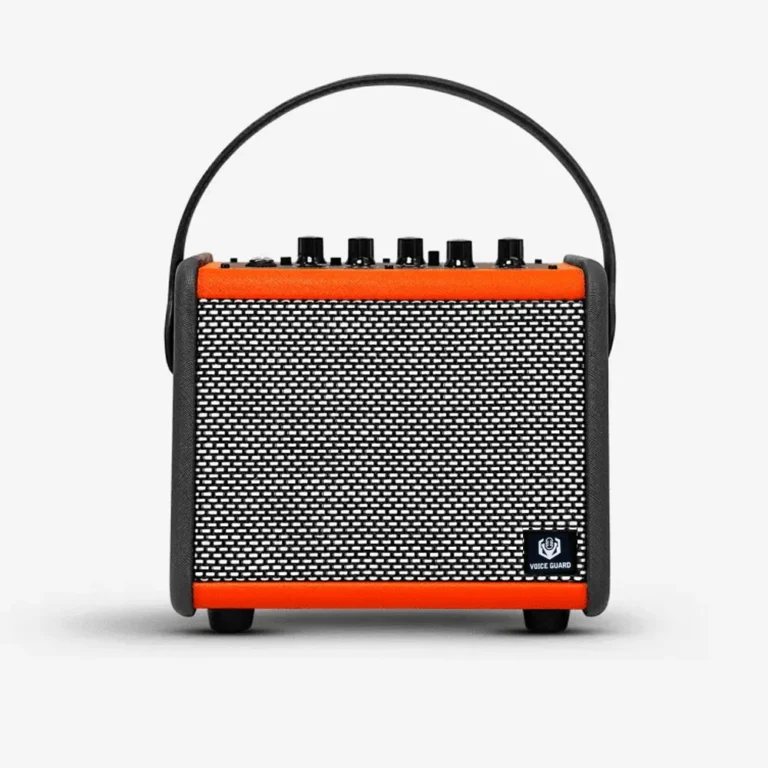
SoundSentry’s current guitar amplifier category includes portable platforms for model-specific review. For example, the public BlackNote10 listing describes USB-C 5 V charging, while the QG-15 listing describes external or built-in lithium-battery power. These are different product configurations; buyers should confirm the selected revision rather than transferring one model’s specification to another.
Request the right documents for the destination and route
Document scope depends on the battery, charger, radio functions, destination and logistics route. Ask the supplier to identify which reports, declarations, labels and transport documents apply to the exact bill of materials and revision being quoted. Verify the document owner, model reference, date and critical components.
Avoid treating a logo on a quotation as proof that every requirement is covered. A charger, battery pack, Bluetooth module and finished amplifier may each introduce different documentation questions. Importers should obtain destination-specific advice from qualified compliance and logistics providers before approving claims or shipment.
Create a document register with status fields such as requested, received, reviewed, gap found and approved. Link every file to the model, revision and component it covers. If the battery cell, pack, charger, radio module or enclosure changes, reopen the affected review.
Include packaging and shipping details in the RFQ
Rechargeable products need packaging that protects the amplifier, charging accessories and connectors while communicating correct handling information. Specify inner protection, carton material, accessory compartments, manual, labels, barcode area and private-label artwork process.
Ask for packed dimensions and gross weight from a production-representative sample. Confirm whether the cable and adapter are included and where they are placed. A quotation that excludes the adapter may appear cheaper but create a customer-experience or compatibility problem later.
Before finalizing logistics, disclose the battery configuration and destination to the freight provider. Packaging and documentation decisions should follow the actual shipment, not an earlier generic product description.
Create a production inspection plan
The golden sample and signed specification should define the baseline. Build inspection points around observable functions and approved documents rather than vague statements such as “battery good.”
A practical plan may include:
- Model, color, logo and packaging verification.
- Battery and charger identification against approved records.
- Charging indication and connector inspection.
- Power-on, channel, control and effect checks.
- Bluetooth, auxiliary, recording and headphone functions when included.
- Runtime sampling under an agreed procedure where commercially necessary.
- Unwanted-noise and play-while-charging checks.
- Cosmetic, cabinet, handle, grille and accessory inspection.
- Label, manual, barcode and carton verification.
- Carton quantity, weight and shipping-mark review.
The sample size and acceptance criteria should be agreed in the purchase specification. A short functional check is not a substitute for a longer runtime test, and neither replaces the required document review.
Compare quotations on normalized scope
Use a landed-cost worksheet only after configurations match. Separate the amplifier, battery, cable, adapter, printed packaging, manual, documentation support, sample charges, tooling and testing. Record minimum order quantity by color or artwork, lead-time assumptions and warranty handling.
Score critical requirements separately from preferences. If charging behavior, battery documentation or a required function is unresolved, keep the offer conditional. Do not let a high average score hide one blocking gap.
Add after-sales readiness to the supplier review
Battery-powered products need a defined response when a customer reports that the unit will not charge, runs for less time than expected or shuts down under load. Before placing the order, ask the supplier for a troubleshooting flow that begins with the approved charger, cable, indicator behavior and reset procedure. Confirm which symptoms require the product to be removed from use rather than repeatedly charged.
Agree how warranty evidence will be collected without asking retailers or end users to open the battery pack. Useful information can include the serial or production code, charger rating, indicator sequence, operating mode, approximate use history and a short video of the external behavior. Define who decides whether the issue relates to the cable, charger, battery, control board or complete unit.
Discuss spare accessories and service parts only within the channel’s actual repair capability. A replacement cable or approved adapter may be practical; battery or internal electrical service may require trained personnel and controlled shipping. Include this support boundary in the manual and distributor training so a commercial promise does not create unsafe field work.
Finally, require traceability sufficient to connect complaints to a production batch. Even a simple date or lot code can help the buyer determine whether an issue is isolated, shipment-specific or connected to a component change.

Editorial illustration: plan the retail assortment and packaging around distinct user roles, not cosmetic variation alone.
Common sourcing mistakes
Comparing milliamp-hours without nominal voltage
Capacity numbers from different pack arrangements may not be directly comparable. Request nominal voltage and watt-hours, then evaluate the complete product under defined conditions.
Treating USB-C as universal charger support
Confirm the input rating and supported behavior. The connector shape alone does not prove compatibility with every charger or fast-charging protocol.
Publishing a runtime without test conditions
Volume, effects, playback, battery state and end point matter. Keep the test record behind customer-facing language.
Approving artwork before the power system is frozen
A charger, cable or battery change can affect specifications, packaging and documents. Release final copy only after the selected configuration is controlled.
Using one sample result as a production guarantee
The approved sample is a reference. Production control, change notification and inspection are still required.
Frequently asked questions
What should importers compare when buying rechargeable guitar amplifiers in bulk?
Compare the intended use, amplifier functions, battery configuration, charging input, included accessories, documented runtime conditions, destination-market requirements, packaging, inspection plan and complete commercial scope.
Is a larger battery always better?
No. A larger rating can add weight, cost and shipping considerations. Runtime also depends on amplifier efficiency, speaker load, settings and features. Choose the battery as part of the complete use case.
Does USB-C mean the amplifier supports fast charging?
Not necessarily. USB-C identifies the connector family. Confirm input ratings, supported charging modes, recommended charger and the behavior of the approved sample.
How should a buyer verify battery life?
Use a written procedure with the exact sample, charge method, source, channel, volume, effects, wireless functions, environment and end point recorded. Repeat the scenarios that matter to the intended user.
What battery documents should a supplier provide?
The answer depends on the cell, pack, finished product, destination and route. Ask for a model-specific document register and have qualified compliance and logistics providers confirm what applies.
Can a rechargeable amplifier be used while charging?
Only if that behavior is specified for the selected model. Test operation, noise, heat and indications with the approved charger and cable before making a customer-facing claim.
Conclusion
A strong rechargeable guitar amplifier purchase specification connects five things: intended use, exact power-system configuration, repeatable sample testing, controlled customer-facing copy and production verification. Buyers who keep those records aligned can compare quotations more fairly and reduce late changes to artwork, accessories and shipping documents.
Review the current portable guitar amplifier options and send a project brief with your market, functions, branding scope and expected quantity. Available specifications, samples, documents and commercial terms should be confirmed for the selected configuration.
Plan Your OEM/ODM Project
Share your target product, market, estimated quantity, branding, packaging and certification requirements with the SoundSentry Technical Team.
View Related Products Request Product Information or a Quote