QG-15 Colorway and Logo Approval: A Private-Label Signoff Checklist
Avoid QG-15 private-label artwork errors with a color master, logo placement proof, control-label check and signed sample.
Quick answer: Approve a physical color master and a complete artwork proof for each proposed QG-15 version. The review should cover cabinet color, logo position, control labels, rear markings, retail pack and carton identification. A screen mockup alone cannot establish the final color or print quality.
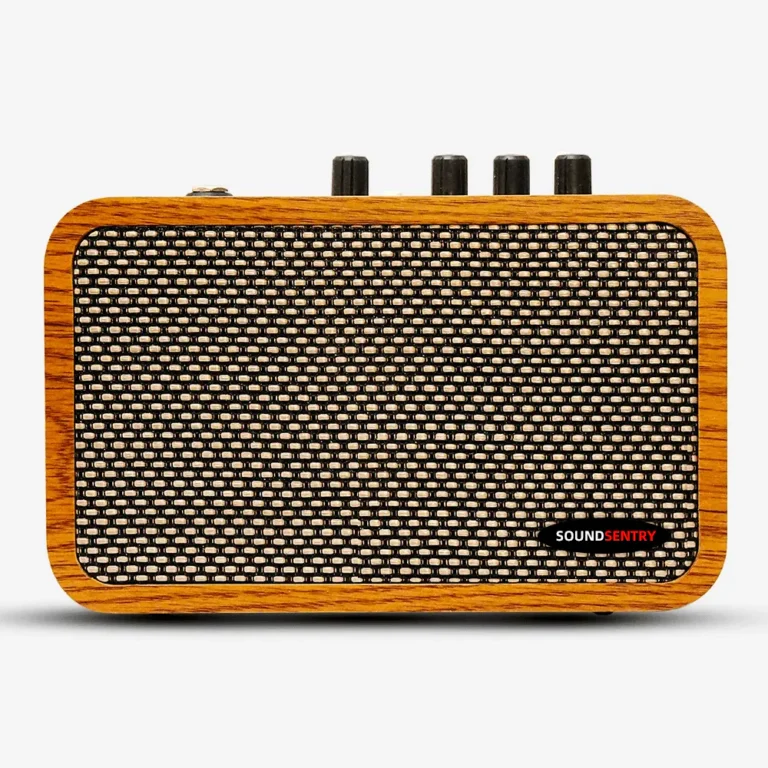
Private-label projects can stall when a brand approves a front-view rendering but discovers later that the knob labels, power information or package use a different artwork version. A disciplined signoff makes the commercial sample useful as a production reference. The QG-15 product page shows different catalog color presentations; ask which colors and customization processes are available for the exact order instead of treating each photo as a guaranteed option.
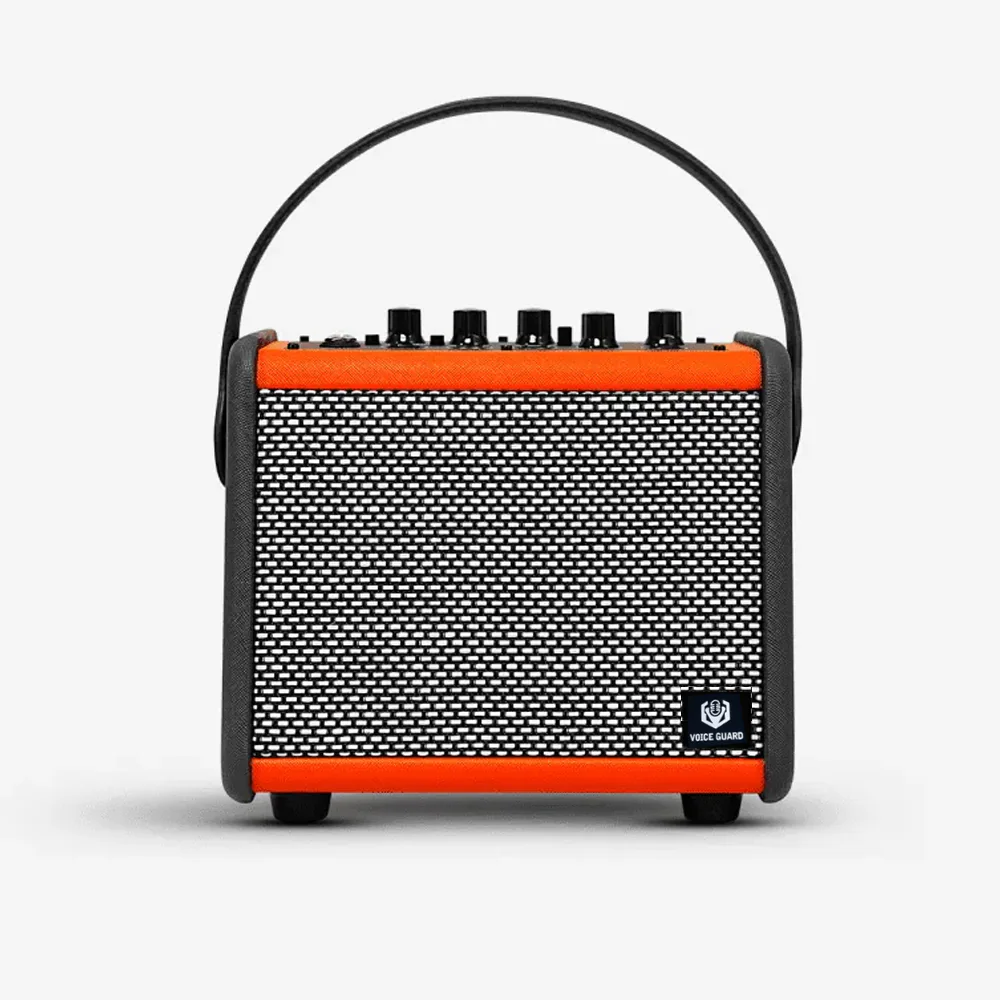
Actual catalog image; approve the color against a physical sample under agreed lighting.
Lock the color and surface reference
Choose a master sample and give each color a SKU or project code. Compare the cabinet, grille, trim and controls under consistent lighting. A digital color value can help communicate intent, but texture, substrate and coating can change the visual result. Record the accepted viewing conditions and any allowable variation with the supplier before production. Keep reference photographs as supporting evidence, not as the only color standard.
If multiple colors are planned, confirm whether the front grille, knob style and printing method remain identical across variants. A change in one component can make a supposedly shared packaging image inaccurate. Ask for a finished sample of each version before approving retail photography.
Review every customer-facing mark
Provide vector logo files, approved brand names, required warning text and target-market languages. Check front, back, bottom and package panels—not just the most visible logo. Confirm the control names match the physical unit and that small print remains legible at actual size. Do not copy electrical or compliance marks from a reference image without the applicable documentation and approval for the supplied model.
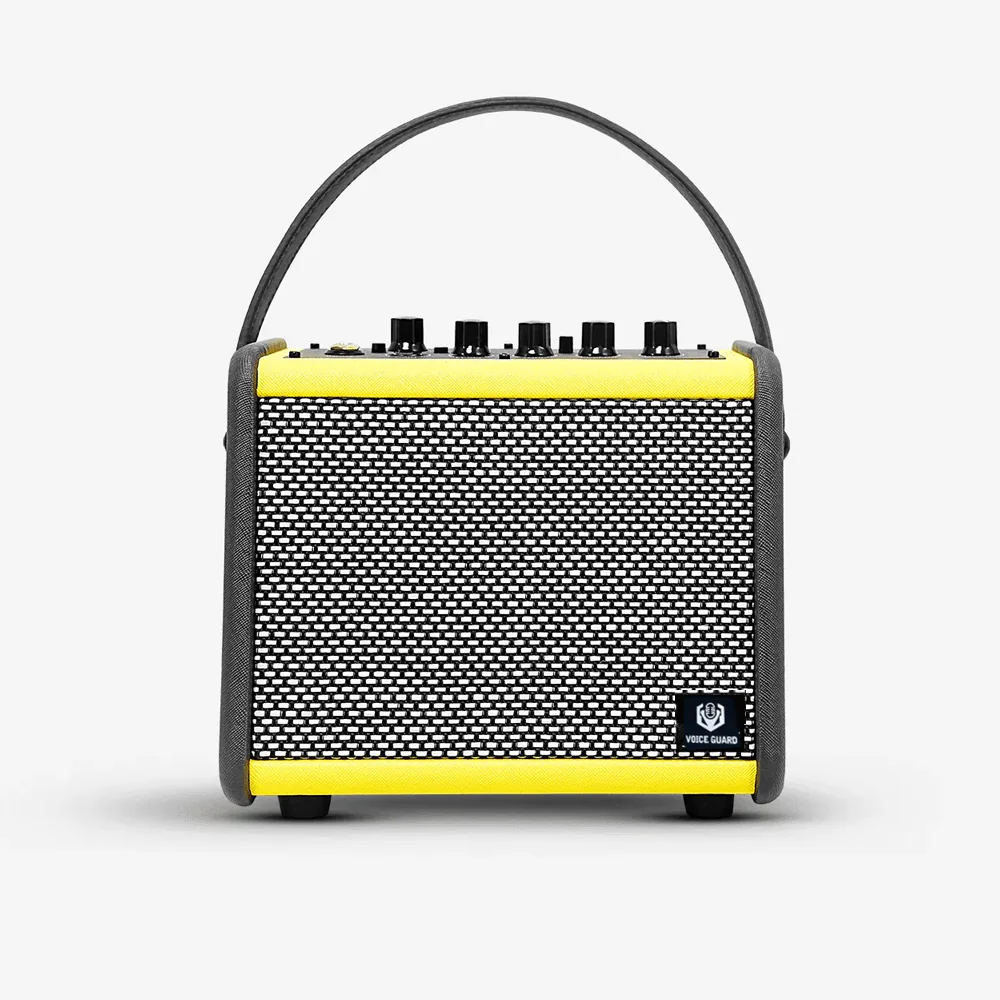
A second real product view helps compare visual components; the signed sample is the production reference.
| Signoff item | Evidence to request | Approval question |
|---|---|---|
| Cabinet color | Physical master and code | Does the sample match? |
| Logo | Full-size placement proof | Is size and position correct? |
| Controls | Front-panel artwork | Are labels readable and accurate? |
| Rear/bottom marks | Model-specific print proof | Are claims and marks authorized? |
| Retail pack | Dieline and printed sample | Does it match the chosen SKU? |
| Carton | Label and packing list | Is each variant identifiable? |
Tie the sample to the purchase order
Use one revision number across artwork, sample label, quotation and purchase order. Photograph the approved sample from all sides, then retain it for incoming comparison. Record who approved each language version and whether any change after signoff requires a new sample. This prevents an attractive mockup from silently replacing the actual production specification.
An RFQ should include target markets, color count, forecast quantity by variant, logo artwork, packaging format, required languages and sample timing. Ask the supplier to confirm process feasibility and any model-specific minimums rather than assuming one rule for all colorways. Contact SoundSentry with the QG-15 signoff brief.
Frequently asked questions
Can a digital rendering replace a physical color sample?
No. Screen appearance varies; use a physical reference for production approval.
Should every colorway have its own SKU?
A distinct identifier helps connect color, packaging, artwork and incoming inspection.
Can compliance marks be copied from catalog photography?
No. Verify model- and market-specific documentation before approving such marks.
Plan Your OEM/ODM Project
Share your target product, market, estimated quantity, branding, packaging and certification requirements with the SoundSentry Technical Team.
View Related Products Request Product Information or a Quote