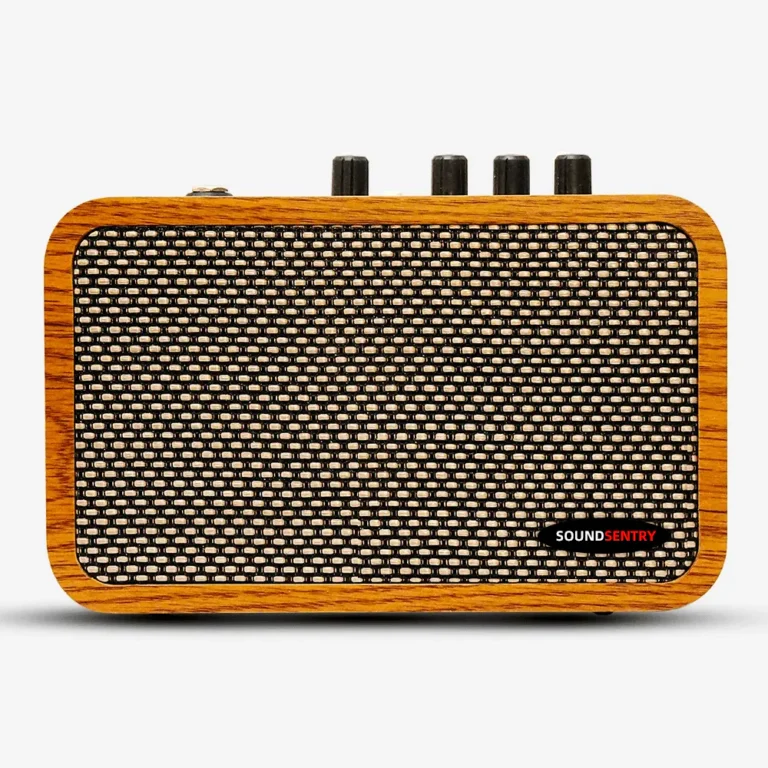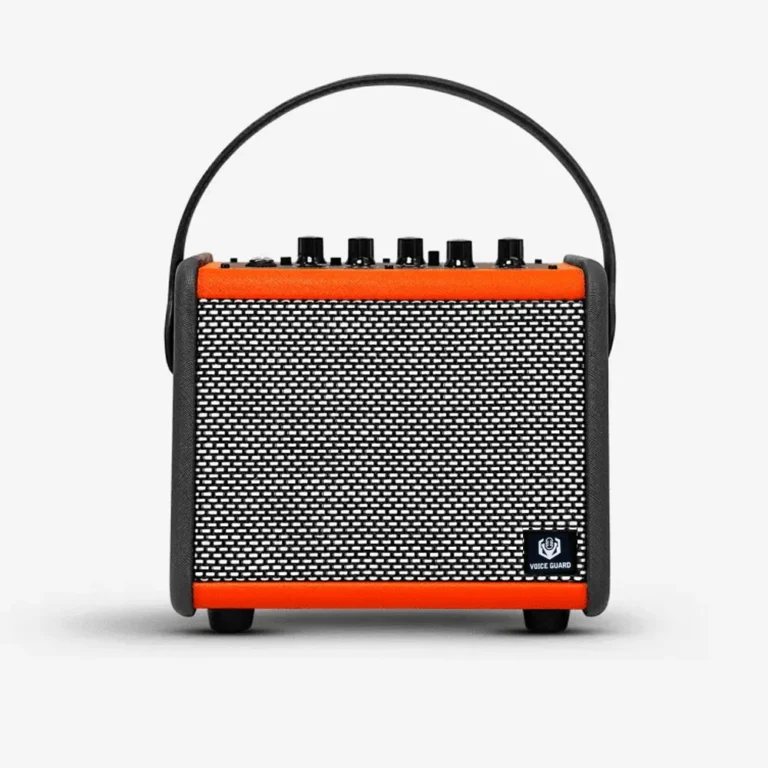
Guitar Amplifier OEM Manufacturing Guide: From Concept to Production
OEM Buyer Summary
This guide is for brands planning an OEM guitar amplifier from product definition and sample approval through production and delivery planning.
A successful OEM guitar amplifier project is controlled by documents and approval points, not by a generic production calendar. The buyer defines the market and product position; the engineering team turns that brief into a buildable specification; both sides then approve the same sample, test plan and packaging standard before mass production.
The exact schedule, quantity and commercial terms depend on the model and degree of customization. They should appear in the project quotation rather than in a general guide.
The seven control points
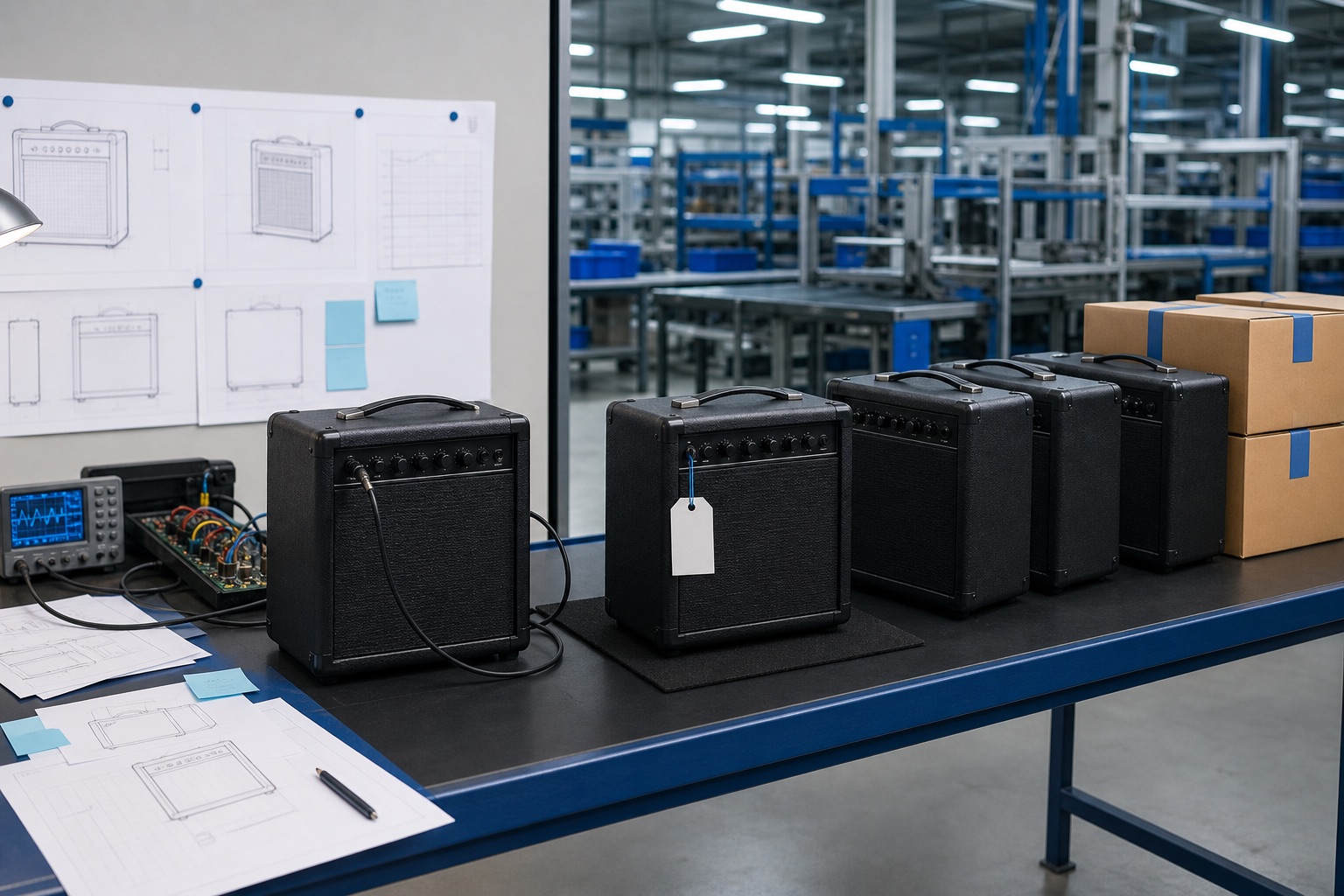
| Stage | Main output | Buyer decision |
|---|---|---|
| 1. Product brief | Use case, market, feature priorities and target position | Is the project clear enough for engineering review? |
| 2. Feasibility review | Proposed platform, open questions and risk list | Which functions are fixed and which can change? |
| 3. Engineering sample | Working product for function and sound evaluation | What must be corrected before the approval sample? |
| 4. Approval sample | Production-intent configuration and appearance | Does this become the reference sample? |
| 5. Specification freeze | Controlled BOM, drawings, firmware, labels and test criteria | Are changes now subject to written approval? |
| 6. Pilot and production | Process validation and batch manufacturing | Did the pilot match the approved reference? |
| 7. Final inspection | Inspection record, packaging check and release decision | Is the batch ready for shipment? |
Skipping one of these control points usually moves the problem downstream, where it is harder to correct.
1. Write the buyer brief in user language
An amplifier brief should begin with the player and use case, not a list of fashionable components. “Portable practice amplifier for home lessons” gives the engineering team better direction than “modern Bluetooth amp.”
The first brief should include:
- target player and use environment;
- product format: combo, head, cabinet or another format;
- instrument input and basic control layout;
- expected sound character and reference examples;
- speaker and enclosure preferences;
- wired audio, headphone, recording or auxiliary functions;
- Bluetooth playback, app or other wireless functions stated separately;
- mains, adapter or battery power approach;
- branding, color, grille, control-panel and packaging direction;
- intended sales markets;
- estimated order quantity for project planning and quotation.
Use reference products to explain a sound or workflow, but do not ask the supplier to copy a protected design. The goal is to communicate the market position and playing experience.
2. Turn the brief into a controlled specification
During feasibility review, the manufacturer should separate three types of item:
- Fixed requirements — the product cannot proceed without them.
- Preferred requirements — important, but open to an engineering alternative.
- Items for sample evaluation — sound, control feel or appearance that must be judged physically.
The working specification normally covers the audio path, controls, inputs and outputs, speaker configuration, enclosure, power system, wireless functions, firmware, accessories, labels, packaging and market documentation. Each revision should have a date or version number so the team knows which one is current.
SoundSentry Music’s OEM/ODM process can be used as the capability reference for this stage.
3. Evaluate the engineering sample with a written list
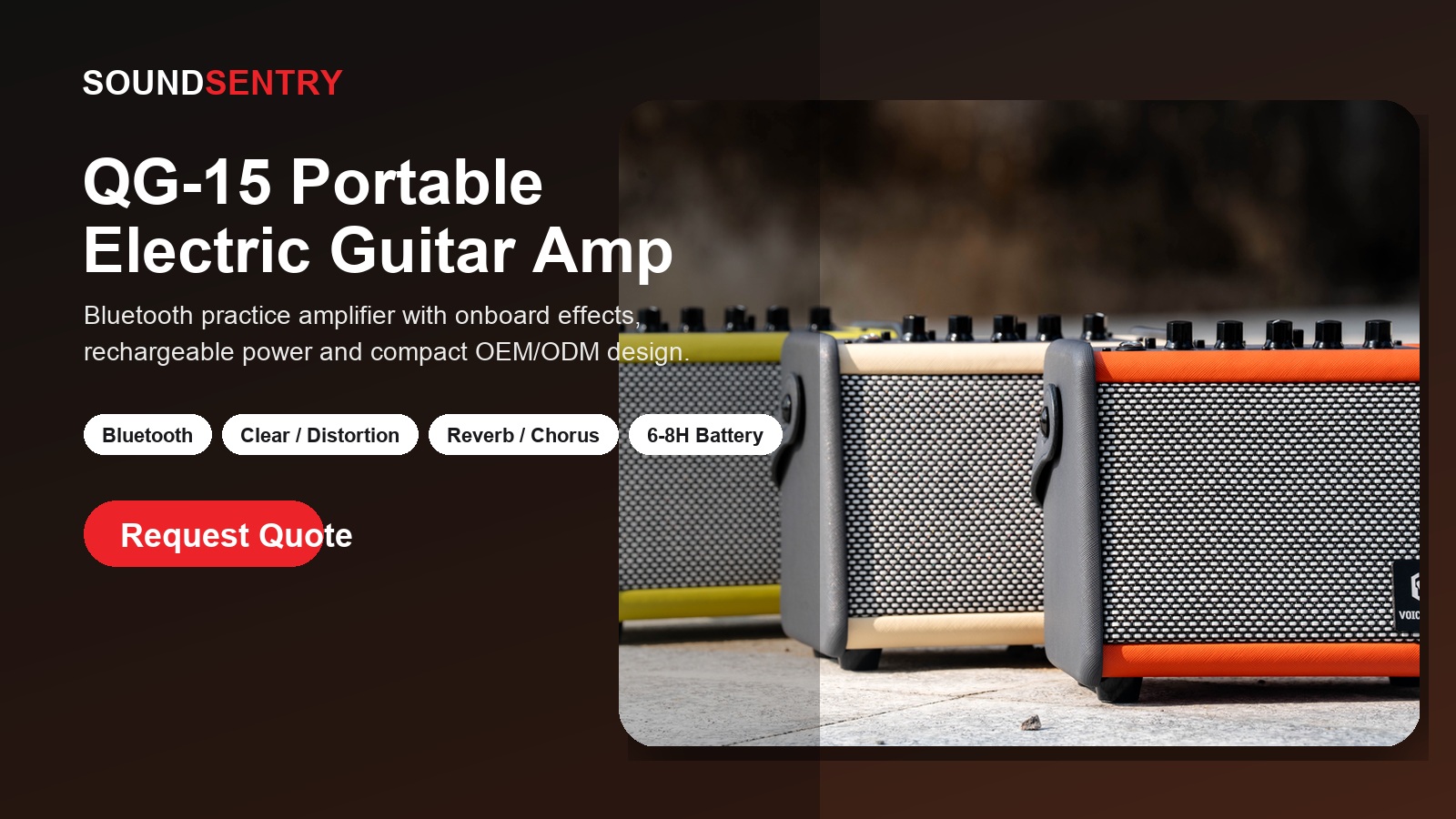
The first sample is where assumptions become audible and visible. A useful review combines measurements with a player’s practical evaluation.
Function and sound
- Confirm every control, input, output and indicator.
- Play at low and high settings with representative instruments.
- Check unwanted noise, switching sounds and control range.
- Verify headphone, auxiliary, Bluetooth or recording functions only where specified.
- Record the test setup when discussing tone or level.
Mechanical and cosmetic review
- Check control spacing and label readability.
- Confirm handle, feet, grille and connector access.
- Inspect finish, color, alignment and visible fasteners.
- Review weight balance and normal carrying points.
- Confirm that the sample matches the latest drawing and artwork.
Power and thermal behavior
- Test the intended power configuration and accessories.
- Review charging and low-power behavior for battery products.
- Operate the amplifier under the agreed test conditions and record abnormal heat, noise or shutdown behavior.
Comments should be specific. “Improve the tone” is difficult to action; “reduce the harsh edge heard on the bridge pickup with this control setting” gives the team a repeatable starting point.
4. Approve a production-intent reference
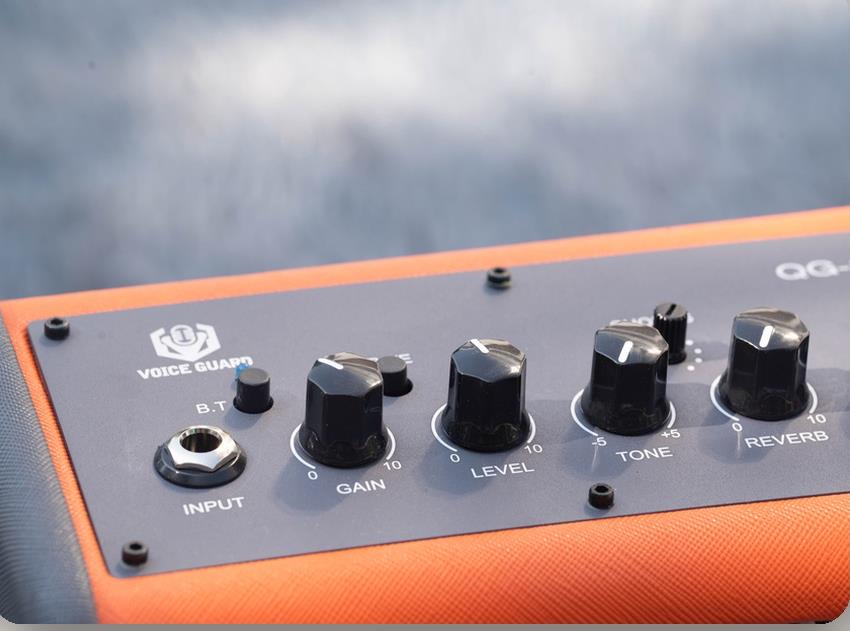
An approved sample is more than a product the buyer likes. It should represent the intended components, firmware, enclosure, controls, graphics and packaging as closely as possible.
Before approval, resolve:
- the specification version;
- approved sample identification;
- BOM and allowed component alternatives;
- firmware version and update method;
- appearance standard and color reference;
- product label and serial-number rules;
- user manual and packaging artwork;
- test method and pass/fail criteria;
- target-market documents to be supplied or completed.
If an item is still open, label it as open. Do not let an email comment become an invisible specification change.
5. Freeze changes before mass production
The specification freeze protects both buyer and supplier. After it is signed, any proposed change should state the reason, affected documents, product impact and approval status.
This is particularly important when a component becomes unavailable. An alternative part may fit the PCB and still alter noise, sound, wireless behavior, power consumption or compliance. Substitution should follow a defined review rather than an informal purchasing decision.
A practical change record includes:
- old and proposed part or process;
- reason for the change;
- affected models and batches;
- engineering evaluation required;
- sample or retest requirement;
- buyer approval and effective date.
6. Use the pilot batch to test the process
The pilot is not simply a small production order. It is a check that the factory can repeatedly build and test the approved design using the intended documents, fixtures and work instructions.
Review incoming material checks, critical assembly points, firmware loading, audio and function tests, safety-related tests where applicable, cosmetic inspection and packaging. Any recurring problem should lead to a corrective action before the main batch continues.
Our quality-control approach describes the types of controls that can be discussed for an electronic music product. The exact inspection plan should be agreed for the amplifier model and order.
7. Release the batch with evidence
Final inspection should compare production units with the approved reference and current documents. The release package may include the agreed inspection record, quantity confirmation, product and carton labels, packaging check and model-specific documents.
The buyer should also confirm shipping marks, manuals, accessories, destination information and any importer-specific labeling before the batch is packed. Freight method and delivery timing belong in the quotation and shipping plan because they change by order and destination.
Common OEM mistakes to avoid
Asking for a price before defining the product
Without a stable brief, two quotations may describe different products. Compare the proposed specification and responsibility split before comparing commercial terms.
Approving appearance but not the internal configuration
A visually correct sample does not establish the BOM, firmware, test method or component alternatives. Approve the complete reference package.
Treating Bluetooth as one checkbox
Playback, app control and live instrument audio have different requirements. Define the Bluetooth job and its acceptance test.
Discussing certification after the design is finished
Target markets influence design, labeling, documentation and testing. Raise them during the product brief and confirm the applicable route for the final configuration.
Relying on verbal change approval
Production teams need the latest controlled document. Record changes and identify the batch where they take effect.
Frequently asked questions
What should a buyer prepare for an OEM guitar amplifier inquiry?
Prepare the use case, target market, amplifier format, required functions, sound references, branding direction, intended sales markets and estimated quantity. Mark which points are fixed and which are open to engineering review.
Why is an approval sample important?
It gives the buyer and factory a shared physical reference for function, sound, appearance and packaging. It should be tied to the current specification, BOM, firmware and test criteria.
Can one production timeline apply to every amplifier?
No. Platform reuse, customization, tooling, sample revisions, component availability, compliance work, quantity and destination all affect the schedule. Confirm timing in the project quotation after feasibility review.
Discuss an amplifier project
SoundSentry Music was established in 2018 and works on guitar amplifiers and related electronic music products from a 4,000-square-metre production facility in Danshui, Huizhou, supported by a 50-person team. The company office is in Baiyun District, Guangzhou.
Browse our guitar amplifier products for format references, then send your brief through the contact page. Specifications, quantity, timeline and commercial terms will be confirmed for the actual project.
Plan Your OEM/ODM Project
Share your target product, market, estimated quantity, branding, packaging and certification requirements with the SoundSentry Technical Team.
View Related Products Request Product Information or a Quote
Guitar Amplifier OEM Questions
What information should a buyer prepare before an OEM guitar amplifier project?
Prepare the target market, product positioning, required functions, estimated quantity, branding, packaging and certification requirements.
Why is sample approval important before mass production?
An approved sample establishes the expected appearance, functions, sound, packaging and quality criteria for production review.
When should certification requirements be discussed?
Discuss target-market certification requirements during product definition so they can be considered during development and sample evaluation.
OEM Buyer Checklist
- Define the use case and target retail position.
- Confirm power, speaker, controls and audio connections.
- Specify power supply, battery and charging requirements.
- Define Bluetooth, effects, recording or headphone functions.
- Confirm branding, enclosure color and packaging.
- Identify the target market and documentation requirements.
Continue with our OEM/ODM process, quality-control approach, certification guidance or request model-specific information.