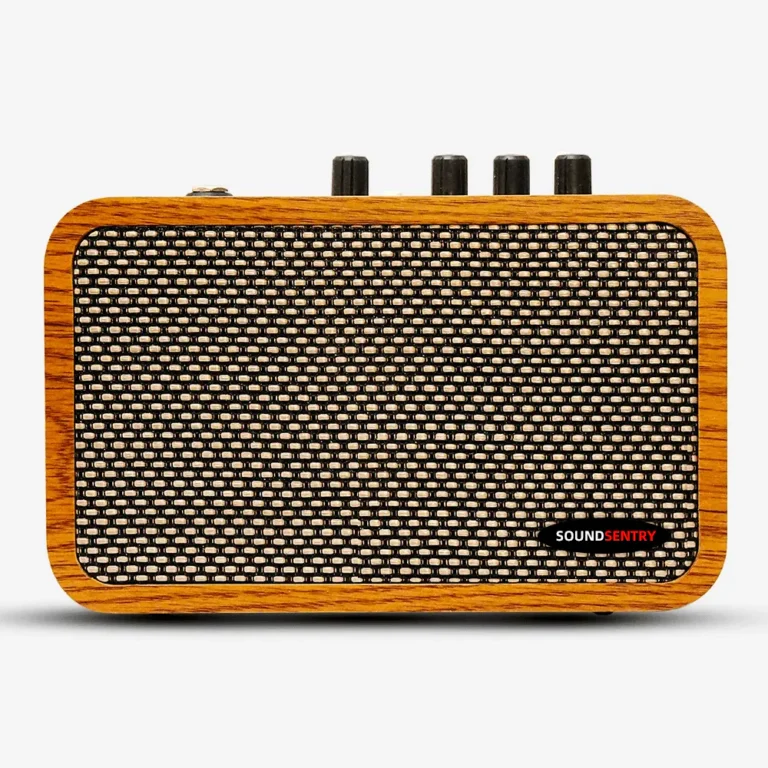
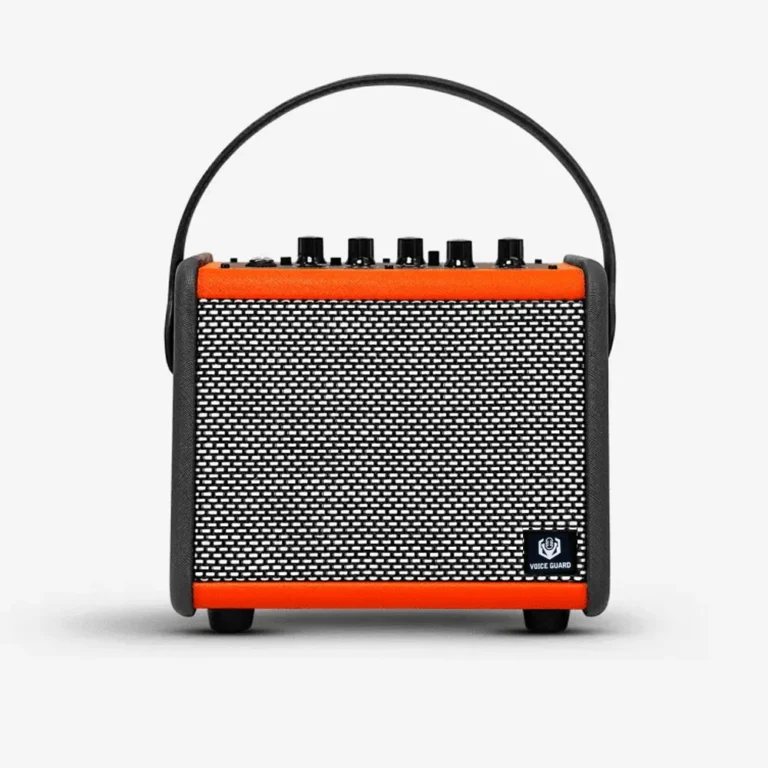
Before an OEM Guitar Amplifier Quote: Write a Use-Case Brief
Define the intended use, connections, demo and market documents before requesting an OEM guitar amplifier quotation.
A request for “a portable guitar amplifier” can produce offers that look comparable on a price sheet but answer different jobs. Before asking for a quote, define where a buyer will use the product, how it will be demonstrated and what information a distributor needs to sell it accurately. That brief gives suppliers a common question to answer; it does not assume a particular SoundSentry model fits every setting.
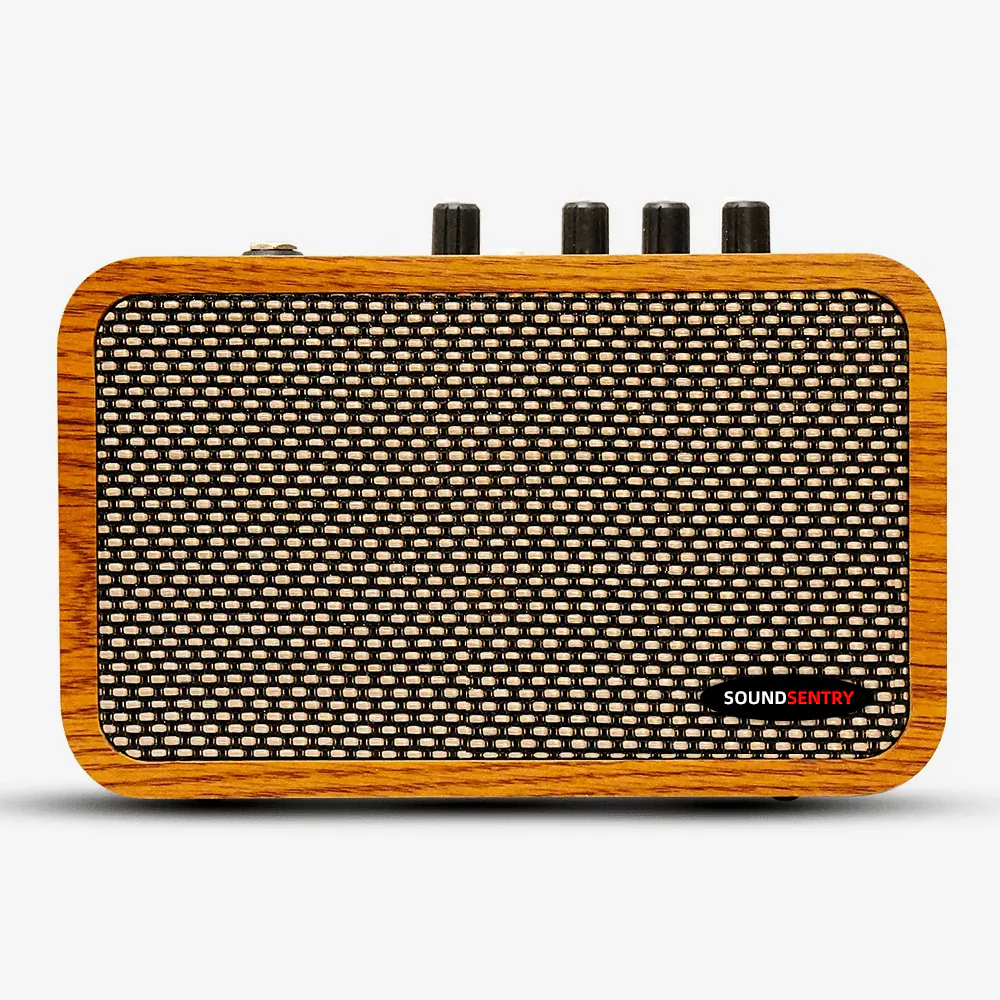
Start with one intended use, not a feature wish list
Write a short scenario: who plays, where the amplifier will be used, what it connects to and whether the product must be carried between settings. Separate the essential task from optional ideas. A brand preparing a small retail practice range may need a different demonstration and packaging story from a distributor preparing an in-store display. Do not infer suitability from a photograph or a broad category name.
For each scenario, record the condition a sample must demonstrate. “Easy to use” is too vague to approve. “A new demonstrator can follow the supplied control guide and reach the intended sound at the test setting” is observable. The buyer should define the setting and the pass/fail observation; the supplier should confirm which candidate configuration can be tested.
Put the brief into a comparison sheet
| Buyer question | Record before RFQ | Ask the supplier to confirm |
|---|---|---|
| Intended setting | Practice, display or another named use; expected user | Candidate model and configuration for that setting |
| Signal path | Instrument and any additional source or output needed in the intended demo | Available connections and their model-specific limitations |
| Physical presentation | Placement, portability and finish priorities | Dimensions, weight, finish options and sample availability |
| Retail handoff | What staff must demonstrate and explain | Current instructions, product data and image files for the exact variant |
| Market | Destination, language and sales channel | Applicable documentation and approvals for that configuration |
The sheet is a request for evidence, not a checklist of features SoundSentry has promised. If a requirement is optional, say so; otherwise two suppliers may price different scopes. Keep the chosen sample identity, configuration and document version with your decision record.
Review a sample under the intended conditions
Use the same instrument, connection path and demonstration steps for each candidate when practical. Note the actual setup, who operated it and any unanswered questions. A brief demo is not a substitute for model-specific technical documentation or market review. If a proposed branding or control change affects the user steps, ask what needs another check before approving the revised sample.
If the buyer is comparing received quotes rather than writing the original brief, use the existing amplifier quotation comparison guide. This article addresses the earlier decision: defining what the quotations should cover.
What to send in the RFQ
Name the intended market and channel, use scenario, essential and optional functions, target product presentation, desired branding, proposed quantity and required documents. Attach the comparison sheet and ask which points are confirmed, conditional or unavailable for each candidate. View the current guitar amplifier category for a starting point, then send a model-specific RFQ. No MOQ, lead time, feature set or approval status is implied by this guide.
FAQ: Can a product photo replace the use-case brief?
No. It shows appearance, not the intended setup, confirmed connections, document scope or sample acceptance conditions. Request those details for the exact variant.
Plan Your OEM/ODM Project
Share your target product, market, estimated quantity, branding, packaging and certification requirements with the SoundSentry Technical Team.
View Related Products Request Product Information or a Quote