Guitar Pickup Tone Consistency Guide for OEM Buyers
A practical guide to controlling guitar pickup tone consistency in OEM production, covering magnets, coil winding, output tolerance, noise testing and sample approval.
OEM Buyer Summary
A production-focused guide to controlling pickup output, noise and tonal consistency from reference sample through mass-production review.
Guitar Pickup Tone Consistency in Mass Production: What OEM Buyers Should Know
Pickup customers may not talk like engineers, but they hear inconsistency quickly. One unit sounds warm and clear. Another sounds weak, noisy, or too bright. For a brand selling pickups, this creates a serious problem: customers begin to doubt the whole product line.
For OEM and private label buyers, pickup tone consistency should be discussed before mass production. It depends on materials, winding process, magnetic strength, electronics, installation method, and quality control. A good supplier should be able to explain how these points are managed.
This guide is written for guitar brands, accessory sellers, and distributors planning custom guitar pickup projects.
Tone Consistency Starts With the Reference Sample
Before production, the buyer and supplier need an approved sound reference. This is more than a photo or mechanical drawing. The golden sample should define how the pickup sounds, how loud it is, how noisy it is, and how it responds when played.
For sample approval, record:
– Clean tone sample
– Strummed chords
– Single-note lead lines
– High-gain test if relevant
– Output level
– Noise level
– Control behavior
– Installation method
If the pickup includes active electronics, effects, Bluetooth playback, or rechargeable power, these features should also be approved and documented.
Magnet Choice Affects Output and Character
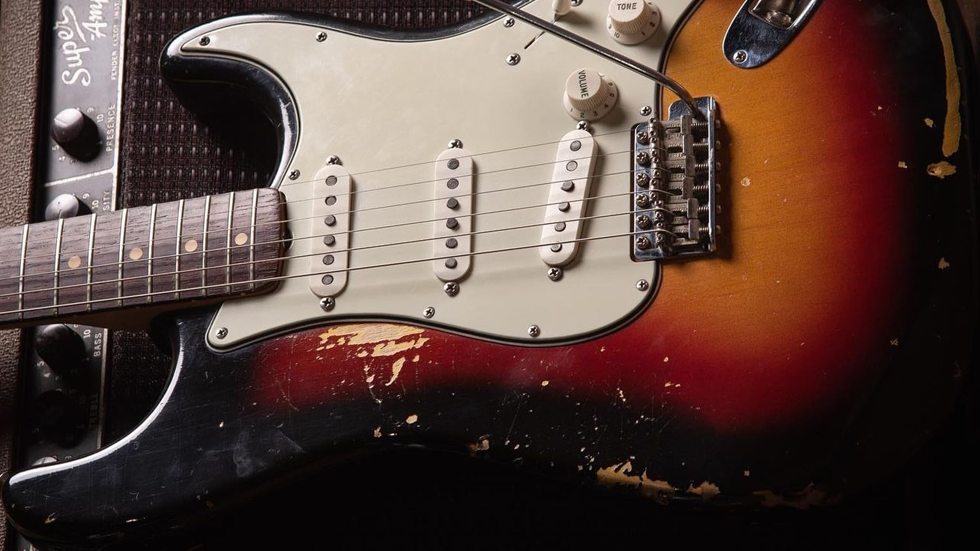
The magnet is one of the most important tone-shaping parts in a pickup. Alnico and ceramic magnets behave differently. Even within the same type, strength and consistency can vary.
Typical considerations:
– Alnico II: softer attack and warmer character
– Alnico V: stronger attack and brighter response
– Ceramic: higher output and tighter low end
– Magnetic strength: affects output and string pull
– Magnet size and placement: affects balance across strings
Buyers do not always need to choose the magnet alone. A good OEM supplier can recommend options based on target sound and price. But once the magnet choice is approved, the production batch should follow the same standard.
Coil Winding Must Be Controlled
For magnetic pickups, coil winding has a direct effect on output, resistance, brightness, and feel. Small changes in wire tension, turn count, and winding pattern can change the result.
Important winding controls include:
– Wire gauge
– Turn count
– Tension
– Coil shape
– DC resistance target
– Output tolerance
– Wax potting if used
For OEM production, buyers should ask what tolerance is acceptable. A pickup line does not need every unit to be mathematically identical, but the range should be controlled enough that customers receive the expected tone.
Active and Rechargeable Pickup Systems Need Extra Testing
Modern pickup systems may include preamps, effects, Bluetooth playback, USB-C charging, or internal batteries. These features add selling value, but they also add more QC points.
Test:
– Charging function
– Battery runtime
– Output level with full and low battery
– Noise with effects on and off
– Bluetooth playback if included
– Control response
– Low battery indication
– Cable and connector reliability
If battery voltage affects tone or output too strongly, customers may think the pickup is defective. The design should remain usable through normal battery range.
Installation Fit Affects Sound
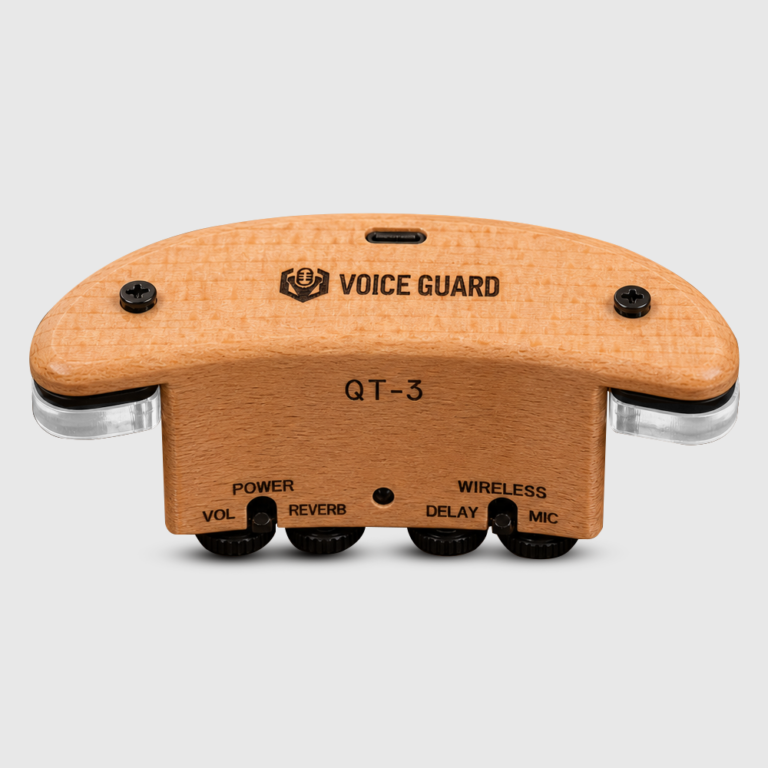
Pickup tone is not only electronics. Installation position and fit can change the sound. A soundhole pickup that sits poorly may vibrate, move, or fail to capture the guitar evenly.
For acoustic soundhole pickups, test:
– Fit on different soundhole sizes
– Clamp pressure
– Protection pads
– Cable routing
– Control access
– Body vibration or rattling
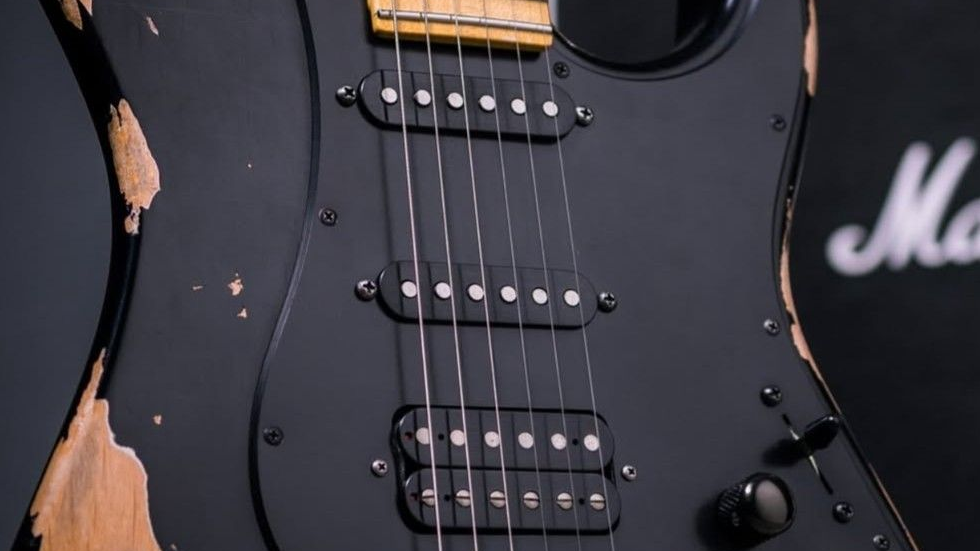
For electric guitar pickups, check:
– Mounting screw fit
– Pole piece alignment
– Height adjustment range
– Cover dimensions
– Wiring color code
Installation instructions should be clear. A good pickup can sound bad if installed incorrectly.
Noise Testing Is Part of Tone Testing
Tone consistency includes noise consistency. If one pickup is quiet and another has obvious hum or hiss, the product line feels unreliable.
QC should include:
– No-signal noise check
– Output test
– Grounding check
– Shielding review if applicable
– Control noise
– Cable movement noise
– Active circuit noise
For pickups aimed at high-gain players, noise testing is even more important. High-gain amps exaggerate small problems.
Packaging Can Protect Tone
Packaging does not change tone directly, but it protects the product that creates tone. Pickup wires, connectors, clamps, and controls can be damaged if packaging is weak.
Good packaging should include:
– Protective insert
– Clear installation guide
– Wiring diagram if needed
– Accessory list
– Screws or mounting parts
– Charging cable if applicable
– Warranty or support information
For online sales, the unboxing experience also matters. A pickup is a technical product, and clear packaging helps customers feel confident.

What Buyers Should Put in the Specification
A pickup specification does not need to be overly complicated, but it should be specific enough for production. At minimum, buyers should confirm the pickup type, installation method, target output, housing color, cable length, control layout, packaging style, and accessories.
For custom tone requests, sound references are useful. A buyer can share a reference pickup, an audio demo, or a description such as warm acoustic response, bright single-coil character, high-output rock tone, or low-noise stage use. The supplier can then translate that direction into materials and production targets.
For private label projects, also confirm logo placement and manual wording early. These details look small, but they can delay production if they are left until the end.
Common Problems to Avoid
The first problem is approving a pickup after testing only one guitar. Acoustic bodies and electric guitar setups vary widely. A good sample should be tested on several instruments before the buyer decides.
The second problem is ignoring installation accessories. Screws, clamps, cables, adhesive pads, and diagrams affect the customer experience. If the pickup is good but installation feels confusing, reviews may still be poor.
The third problem is asking for a very low price while expecting premium consistency. Pickups are sensitive products. If the project requires tight output tolerance, low noise, and strong cosmetic quality, the QC plan must match that expectation.
How to Review Production Samples
When production samples are ready, buyers should compare them with the approved sample instead of judging each unit in isolation. Use the same guitar, same amplifier, same cable, and same settings where possible. This makes differences easier to hear.
For pickup projects, a simple review method works well:
- Check appearance and accessories.
- Install the pickup according to the manual.
- Record clean playing.
- Record stronger strumming or high-gain use if relevant.
- Check noise when not playing.
- Compare output level with the approved sample.
- Check packaging and manual accuracy.
If several samples sound different, describe the difference clearly. Terms such as too bright, lower output, more hum, weak bass, or noisy controls are more useful than simply saying the quality is bad.
When the model uses sound-hole mounting or adds effects, Bluetooth and rechargeable power, tone is only part of the approval decision. Our sound-hole pickup sample approval guide covers the additional fit, control, charging, accessory and packaging checks.
Why This Matters for Brand Reputation
Pickups are often recommended by word of mouth. If players install a pickup and like the tone, they may recommend it to friends, students, or customers. If the next unit sounds different, the brand loses trust quickly.
For private label buyers, consistency is the foundation of repeat sales. The goal is not to make every pickup sound expensive. The goal is to make every unit match the promised sound and quality level.
Final Thought
Pickup tone consistency is not an accident. It comes from controlled materials, stable winding or electronics, careful installation design, and real audio testing. For OEM buyers, the best approach is to define the target sound clearly, approve a golden sample, and agree on QC standards before production.
Sound Sentry Music supports OEM/ODM guitar pickup projects, including acoustic pickup systems, soundhole pickups, rechargeable designs, effects, and private label packaging. Buyers planning a pickup line should prepare sound references, target price, installation requirements, packaging needs, and testing expectations before sampling.
FAQ
Why do pickups from the same batch sometimes sound different?
Differences can come from magnet strength, coil winding, electronic components, installation position, or QC tolerance. Controlled production reduces variation.
What should buyers test in a pickup sample?
Test output, noise, tone, installation fit, controls, effects if included, battery life if rechargeable, and packaging.
Is DC resistance enough to judge pickup tone?
No. DC resistance is useful, but it does not fully describe tone. Magnet type, inductance, winding pattern, installation, and electronics also matter.
Plan Your OEM/ODM Project
Share your target product, market, estimated quantity, branding, packaging and certification requirements with the SoundSentry Technical Team.
View Related Products Request Product Information or a Quote
OEM Buyer Checklist
- Approve a reference sample and installation method.
- Define output tolerance and noise-test conditions.
- Confirm magnet, coil and construction requirements.
- Review production samples and packaging protection.
Explore products, review our factory information, quality-control approach, OEM/ODM process or request model-specific information.
Frequently Asked Questions for OEM Buyers
Why is a reference pickup sample important?
It provides an agreed comparison for output, noise, construction, appearance and installed performance.
Can output alone define pickup consistency?
No. Buyers should also review noise, construction, installation fit and tonal behavior under consistent conditions.
What should be recorded for production review?
Record the approved sample, specification, test setup, tolerance and any agreed appearance or packaging criteria.