Testing a Zinc Alloy Guitar Capo’s String-Pin Puller
Review the zinc alloy guitar capo's integrated string-pin puller with a controlled sample demo, handling instructions and buyer acceptance record.
Quick answer: Treat the integrated pin puller as a separate feature to validate on a physical sample. Check access, grip and handling on a suitable acoustic bridge with loosened strings, then approve instructions and claims only for the tested configuration.
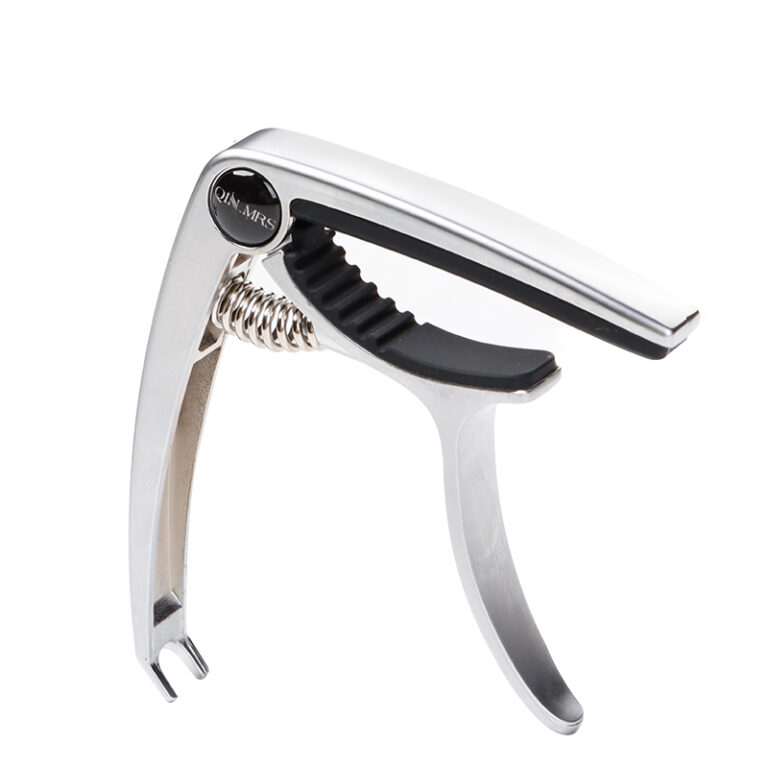
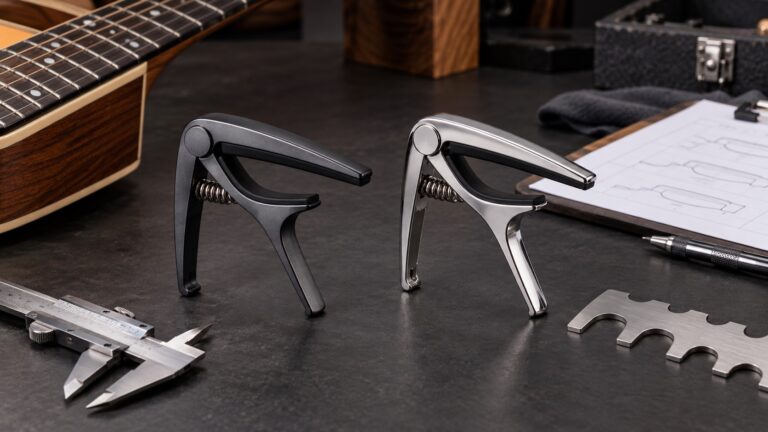
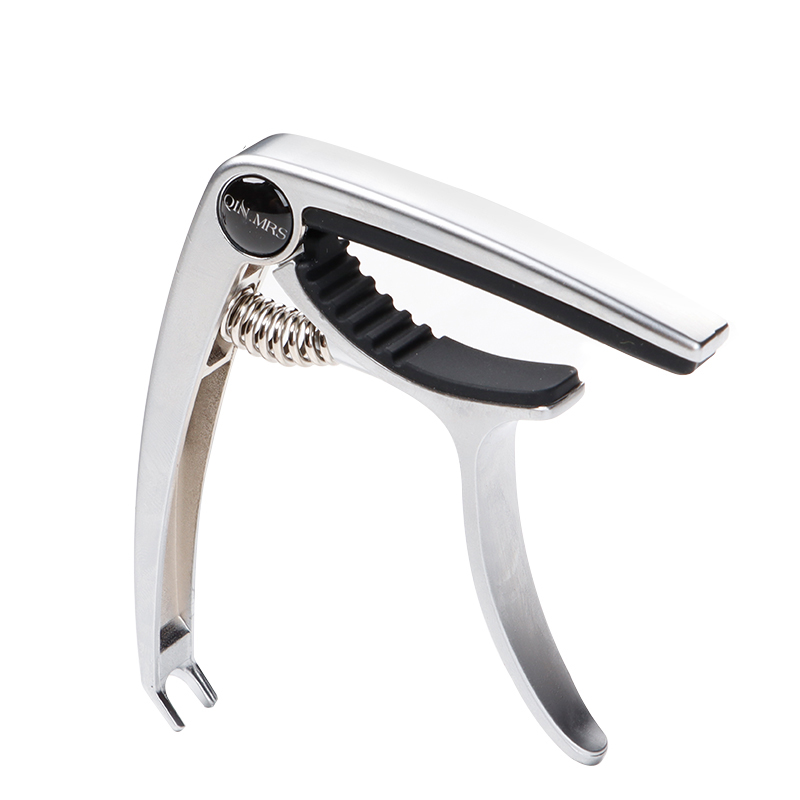
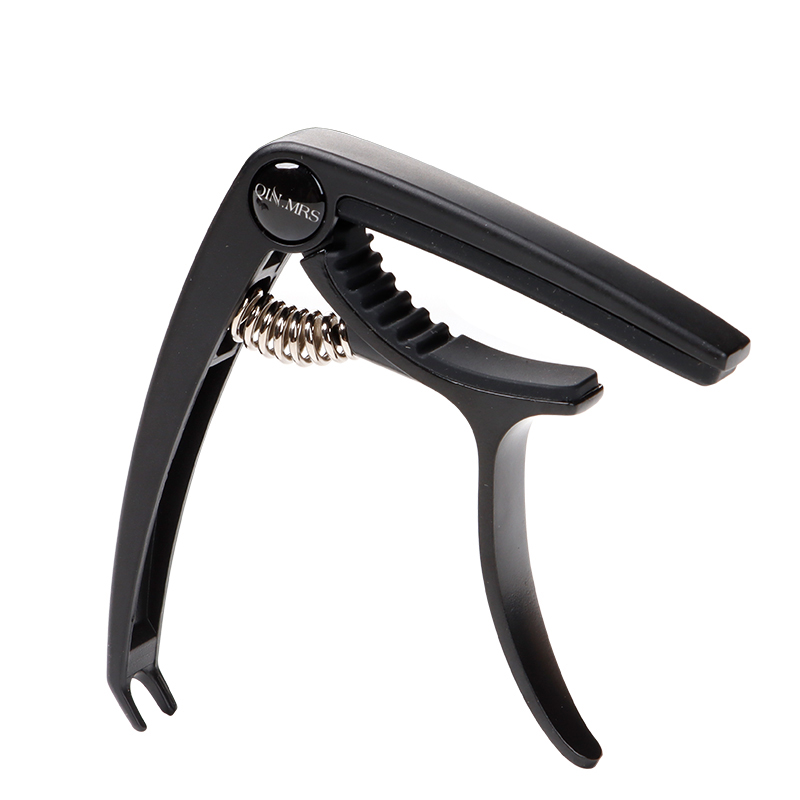
The zinc alloy guitar capo product page describes a built-in string-pin puller alongside the capo function. For accessory buyers, a multi-use feature can help differentiate a listing, but it also needs a clear demonstration. Do not imply that one tool will fit every bridge or remove every pin without risk.
Separate capo fit from pin-puller use
First test the capo normally on representative acoustic and electric guitars: note neck shape, position, clamp handling and any visible contact marks. Then assess the pin puller only on a suitable acoustic instrument. Loosen the string, stabilize the guitar and follow the instrument maker’s maintenance guidance. If the puller cannot engage the pin cleanly, stop rather than force it. Record the pin style, bridge condition and sample ID so any result is traceable.
Ask for packaging or instruction artwork to show the exact grip and motion validated by the supplier and buyer. Avoid blanket “damage-free” claims; the outcome depends on the instrument, pin condition and operator technique. If the intended markets use different instrument styles, test representative samples rather than extrapolating from one guitar.
| Feature | Sample check | Record for approval |
|---|---|---|
| Capo contact | Neck fit and rubber contact | Instrument type and observations |
| Puller access | Engagement on a suitable pin | Pin and bridge details |
| Handling | Controlled removal with string slack | Steps, photos and cautions |
| Packaging | Feature illustration and warning | Final approved artwork |
Specify the accessory order precisely
An RFQ should identify the finish, logo position, pack format, target guitar types, sample quantity and any instruction language required. Request a physical sample before approving a pin-puller claim or printing packaging. Contact SoundSentry with the proposed accessory brief.
Frequently asked questions
Can this puller be assumed to fit every acoustic bridge pin?
No. Test representative instruments and pins before making a compatibility statement.
Should a distributor claim the puller cannot damage a guitar?
No. Use tested, specific instructions and avoid absolute safety claims.
Plan Your OEM/ODM Project
Share your target product, market, estimated quantity, branding, packaging and certification requirements with the SoundSentry Technical Team.
View Related Products Request Product Information or a Quote