Anti-Slip Guitar Picks for Wholesale: Thickness Mix and Batch Checks
Build a wholesale anti-slip pick assortment with clear thickness labels, grip checks, pack counts and batch acceptance records.
Quick answer: A useful wholesale pick brief defines the target players, size and thickness mix, grip texture, pack count, labeling and inspection method. Do not approve a batch from one attractive photograph. Compare labeled samples by feel and dimensions, then retain the approved pack and a simple incoming-inspection record.
Picks are inexpensive individually, but they are sold in visible quantities and handled immediately by customers. An inconsistent thickness label or missing piece in a mixed bag is easy to notice. For brands and distributors, the decision is therefore about a repeatable assortment and an unambiguous pack specification—not a claim that one pick makes every guitar sound better.

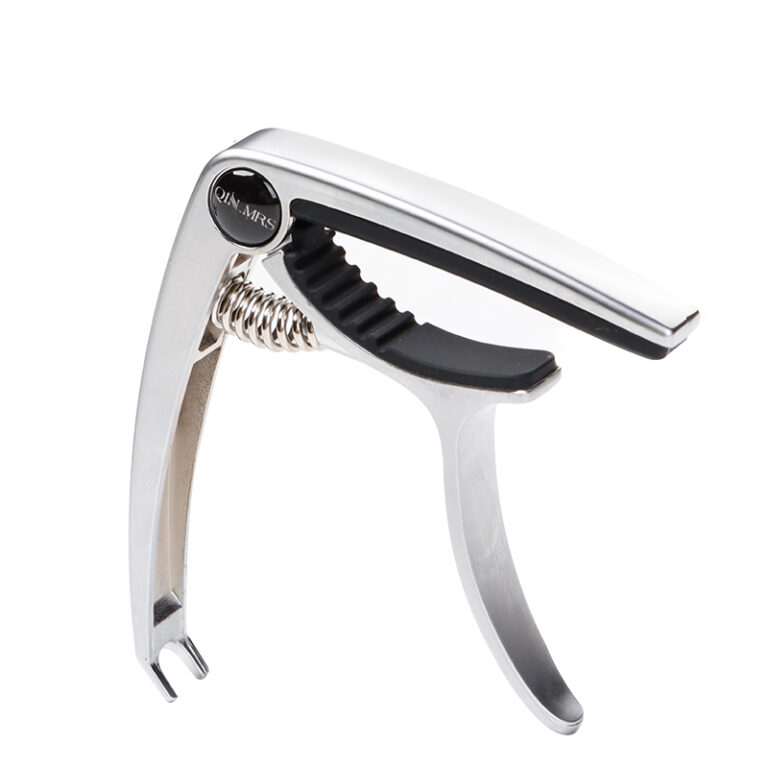
Actual catalog image. Confirm the exact material, sizes and available pack options on the selected sample.
Choose a thickness mix for the selling channel
Start with the channel: a beginner-accessory bundle, a general music-store rack and a specialist pick display need different assortments. Ask for physical samples at each proposed thickness and let representative players compare strumming, single-note articulation, grip and edge feel on the same guitars. Record their observations rather than promising a particular tone from thickness alone.
The SoundSentry anti-slip picks product page shows multiple sizes and thicknesses in mixed ten-piece bags. Ask for a signed material specification and sample identification before printing a material claim on a retail card. Confirm whether each size can be ordered in the intended thickness mix; a catalog example is not a guaranteed custom combination.
Make every bag countable and identifiable
Specify the number of picks per bag, the count of each thickness, size, color and any printed mark. Ask the supplier to show the finished bag, not just loose picks. The label should make the thickness mix legible to the buyer and should use the units and language required for the destination market. If a barcode is needed, provide the approved artwork and location. Keep separate SKU and artwork versions for different mixes.
For a mixed assortment, an acceptance sample should show both the pieces and the sealed pack. Opening several bags from different cartons catches count and mix errors that a single display sample cannot. A packing slip or carton label should identify the same SKU and version as the retail bag.
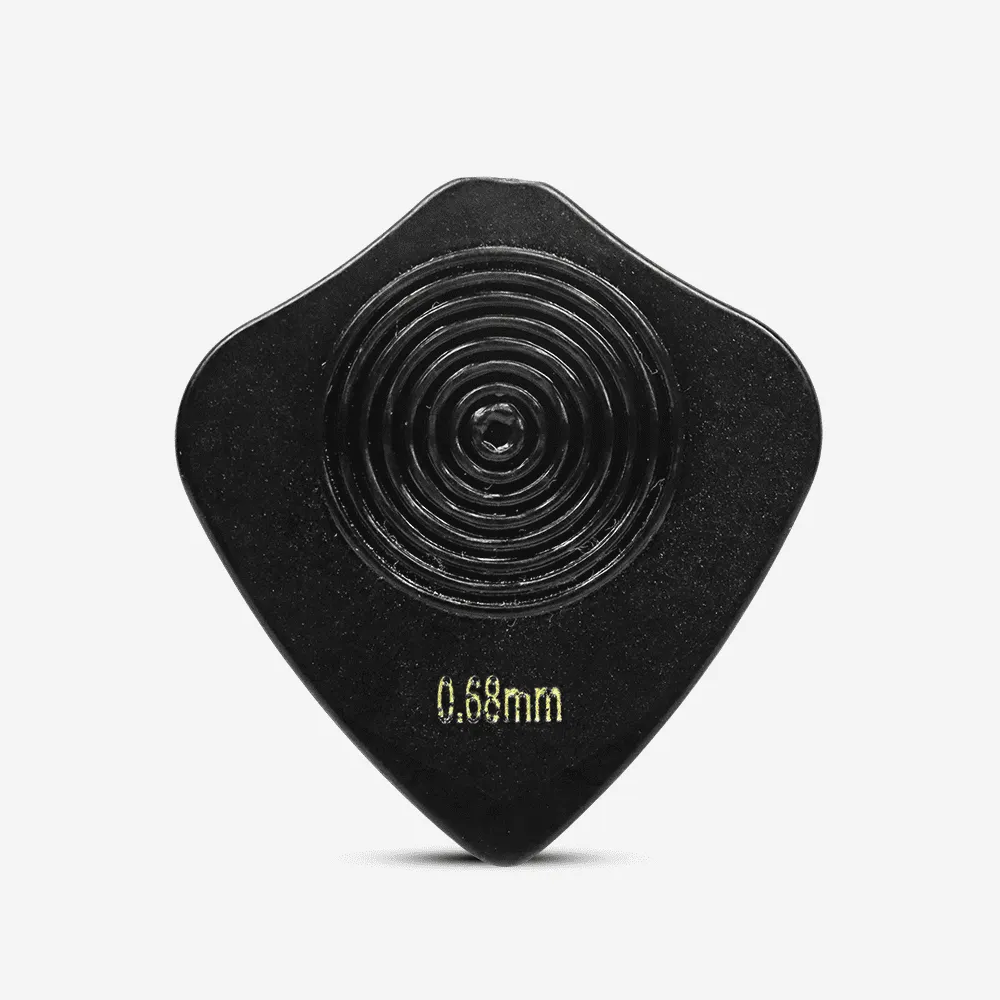
Actual product image; texture and edge finish still require a physical sample check.
Inspect the grip surface, edge and thickness
Agree on a measurement method and tolerance with the supplier before production. Measure the same point of the pick rather than mixing the raised grip area with the playing edge. Compare a few pieces from each sampled carton against the approved reference. Inspect for flash, rough edges, missing texture, warping, illegible marks and color inconsistency under defined lighting. Play-test representative samples with dry and damp fingers; do not treat a texture photo as proof of grip performance.
| Check | Sample evidence | Batch record |
|---|---|---|
| Thickness | Labeled sample and agreed measuring point | Measured values and tolerance |
| Grip | Approved texture and hand test | Surface and slip observations |
| Edge | Physical playing sample | Flash, burr and shape notes |
| Pack mix | Sealed approved bag | Count by thickness and size |
| Marking | Final artwork and print sample | Position and legibility |
Compare quotations with the same configuration
An apparently cheaper offer may use a different thickness mix, bag count or printing scope. Ask the supplier to quote the exact size, color, material specification, thickness allocation, bag, label, carton and inspection level. Confirm samples, production minimum and timing per SKU rather than applying one number to every variant. For broader sourcing criteria, use the guitar accessories wholesale checklist.
Put the right details in the RFQ
Send target market, intended retail channel, estimated quantity, proposed thickness and size mix, pack count, logo and label artwork, barcode requirements, sample request and delivery destination. Ask the supplier to confirm the material specification in writing for the selected SKU. Contact SoundSentry with this brief so that the quotation and samples refer to the same pack.
Frequently asked questions
Can a mixed bag be approved from loose samples?
No. Approve the sealed bag, count, label and carton identification as well as the picks themselves.
Is thickness alone enough to predict playing feel?
No. Shape, edge finish, material and grip texture also matter. Compare physical samples on representative guitars.
Can the material name be copied from the current product page?
Use the confirmed specification sheet and approved sample for the selected version before printing a material claim.
Conclusion
A wholesale pick range is easier to repeat when the buyer controls the mix, measurement point, grip sample and retail pack. Keep one approved reference for each SKU and use it when checking later cartons or reorders.
Plan Your OEM/ODM Project
Share your target product, market, estimated quantity, branding, packaging and certification requirements with the SoundSentry Technical Team.
View Related Products Request Product Information or a Quote