How to Plan a Guitar Electronics Product Line Across Categories
A practical framework for guitar brands to plan amplifiers, wireless systems, pickups, effects and selected accessories as one coherent product line.
Quick answer: Start with the buyer and channel, not a list of attractive devices. Define the role, target price position and evidence needed for each category. Then ask a potential supplier which specific models and project options can support the proposed line.
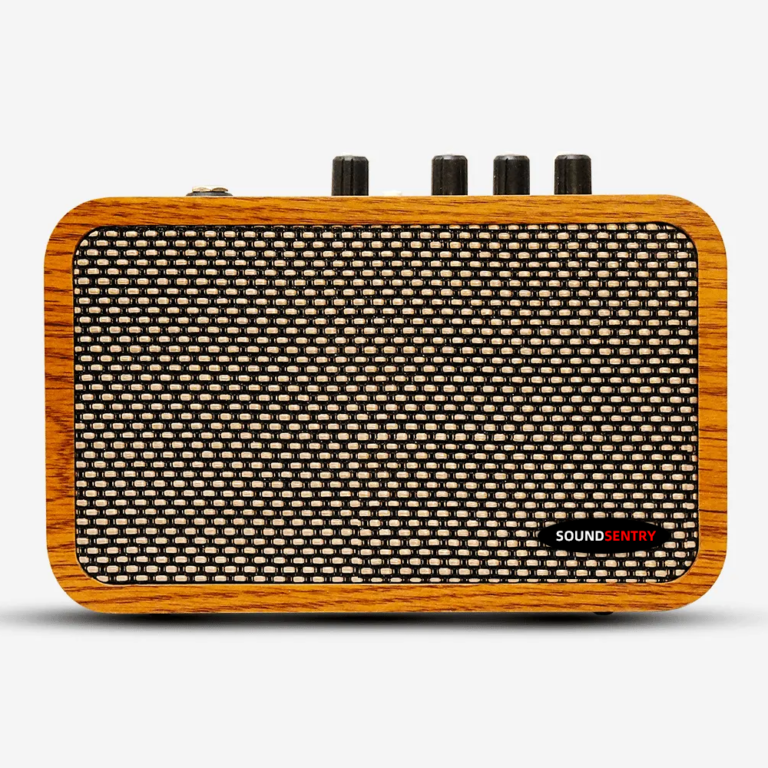
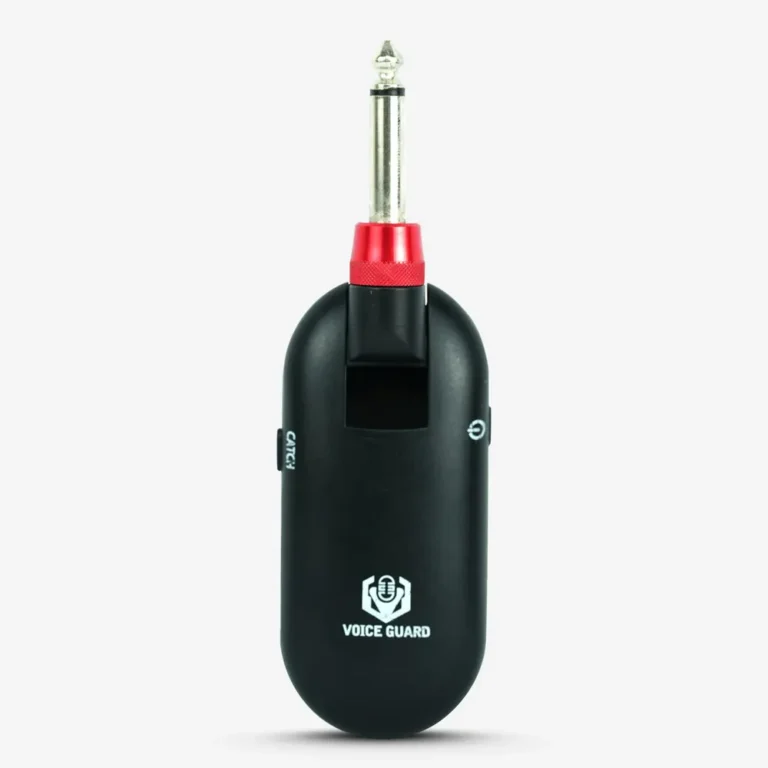
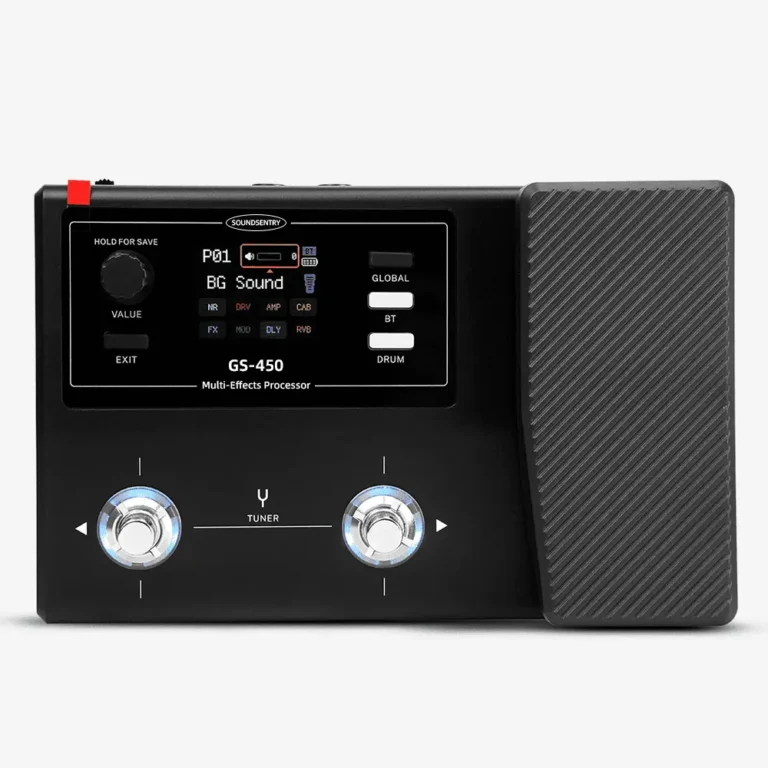
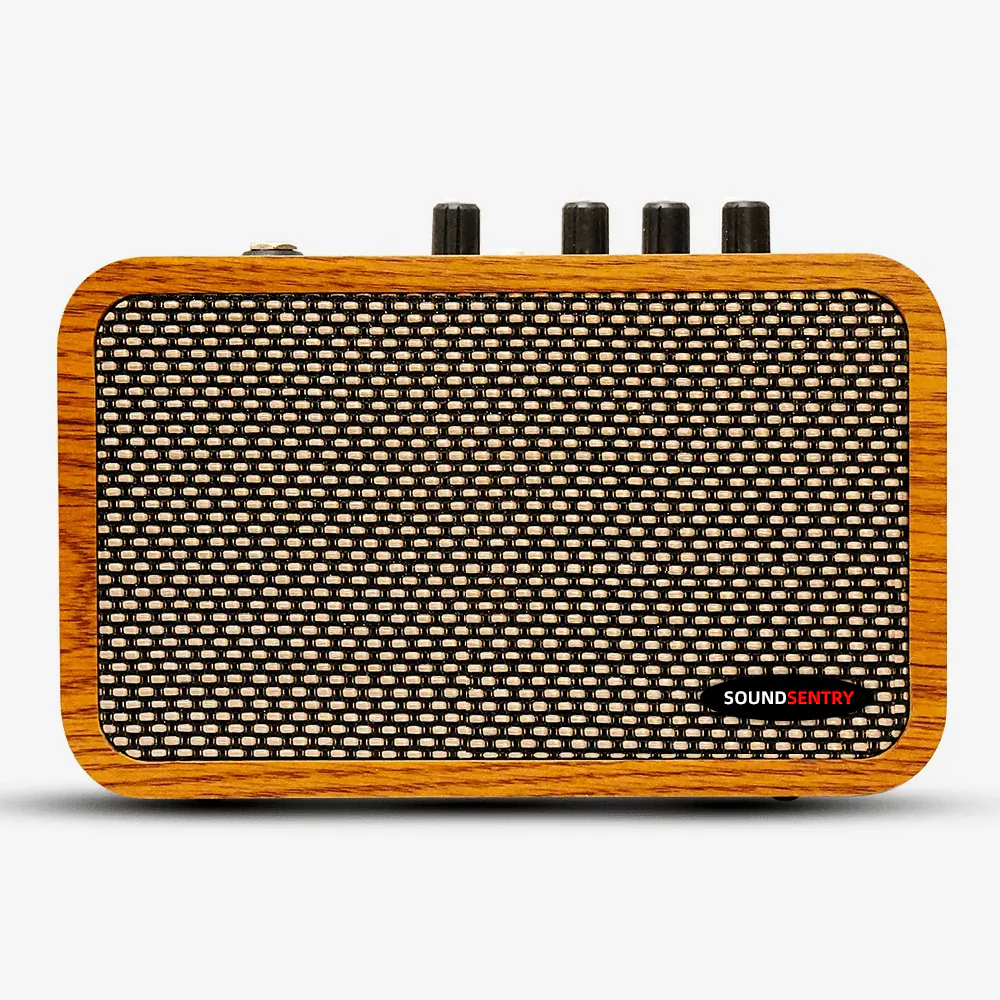
A brand planning its next guitar range may want an amplifier, an effects product, a wireless system, a pickup and a small accessory. A broad-category sourcing partner can make that conversation easier, but one product photograph does not prove every variant is available. SoundSentry’s current product range shows examples across these categories; model specifications and project scope still require confirmation.
Give each category a job in the range
An amplifier can anchor a practice-oriented offer; an effects product may address sound exploration; wireless and pickup options raise different compatibility questions; accessories can serve a different purchase frequency. These are possible assortment roles, not claims that every listed item works together or suits every market. Write a one-sentence customer use case for each proposed category, then remove anything that merely duplicates another item’s role.
Separate three decisions: which category belongs in the range, which model is a candidate, and which customization is needed. A category can be strategic even when a specific SKU is not yet approved. Conversely, an existing product image is not approval for a target market, packaging format or order quantity.
| Planning question | Buyer decision | Evidence to request |
|---|---|---|
| Who will sell it? | Brand, distributor or retailer channel | Target market and customer use case |
| What is its role? | Entry, specialist or complementary item | Proposed category and model list |
| What must match? | Branding, packaging and instructions | Approved artwork and language needs |
| What must be tested? | Function, fit and market requirements | Model-specific sample and documentation |
Build the brief before the catalogue grows
Prioritize a small number of category hypotheses and ask for the current model list, available documents and sample path for each. Keep confirmed products separate from potential developments or items outside the supplier’s verified scope. A line plan should also state what you will not launch in the first phase. That prevents a broad positioning statement from becoming an unsupported promise of stock or capability.
For a useful RFQ, send the destination market, intended sales channel, proposed categories, estimated quantity per candidate, branding and packaging needs, and the evidence needed to approve each product. Contact SoundSentry with the line brief rather than a generic request for a complete catalogue.
Frequently asked questions
Does a category on a supplier website mean every model is available?
No. Ask for the current model list and confirm each product’s configuration and availability for the project.
Should every category launch at once?
Not necessarily. Sequence categories according to demand, sample results, documentation and the resources needed to support each listing.
Plan Your OEM/ODM Project
Share your target product, market, estimated quantity, branding, packaging and certification requirements with the SoundSentry Technical Team.
View Related Products Request Product Information or a Quote