OEM, ODM or Private Label: Choosing a Guitar Electronics Project Path
Compare OEM, ODM and private-label paths for a guitar electronics range, including specification ownership, sample approval and the information to send a supplier.
Quick answer: Decide what your brand must control before asking for a quote. If an existing model and approved branding meet the brief, start with a private-label discussion. If the specification or design must change, define the requested change and ask whether it is feasible as an OEM or ODM project. The labels alone do not determine cost, ownership, lead time or manufacturing scope.
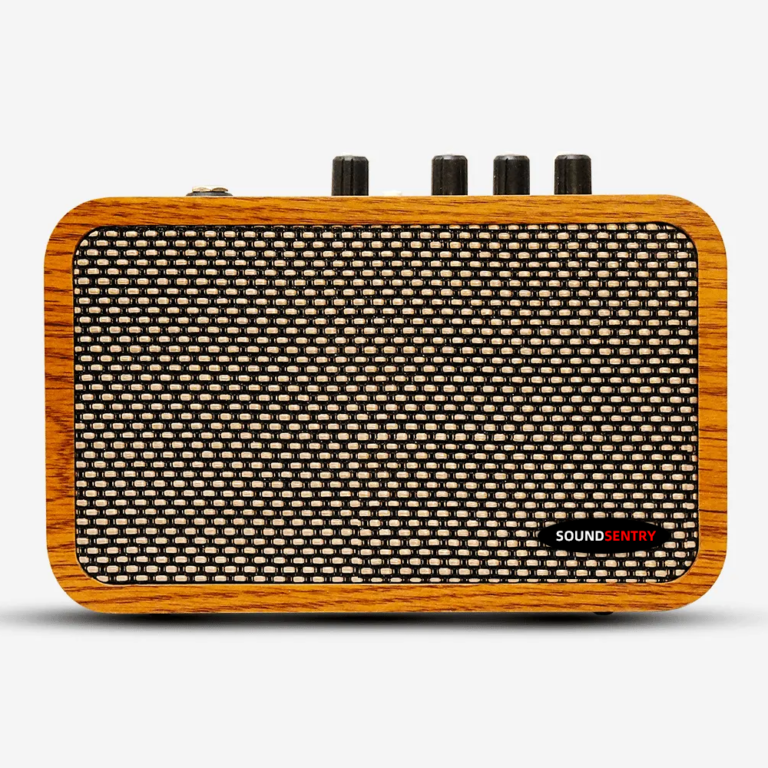
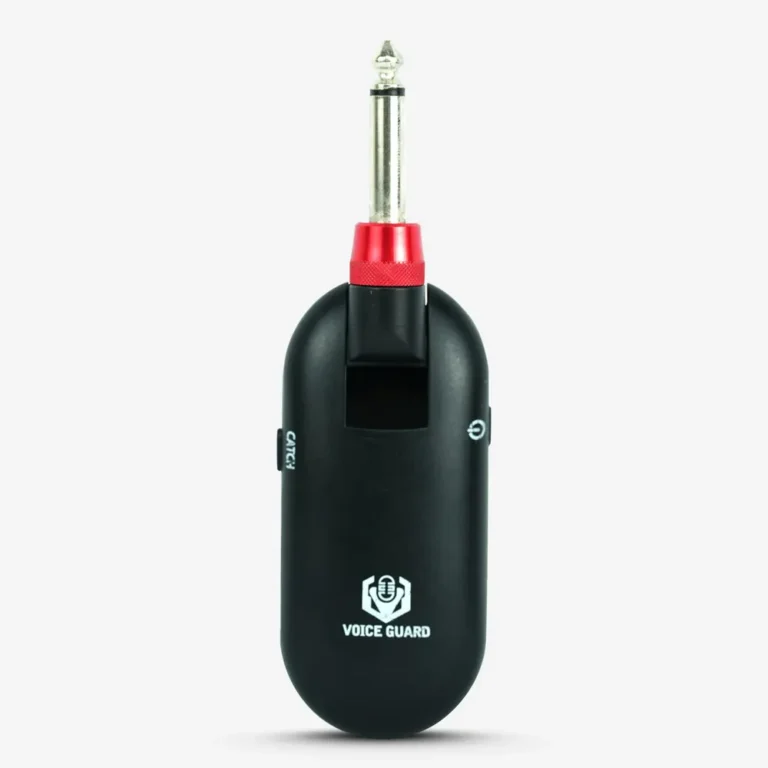
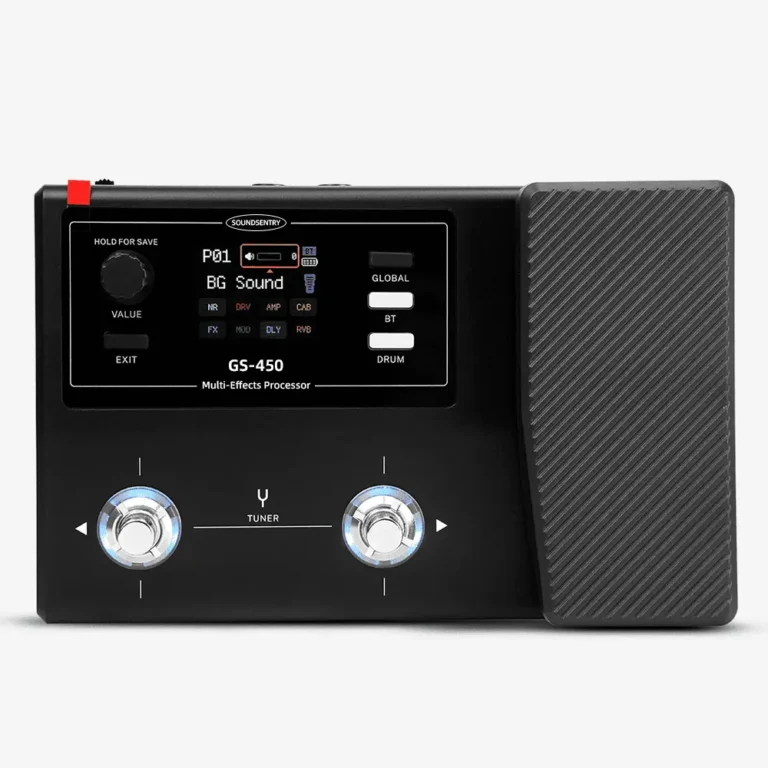
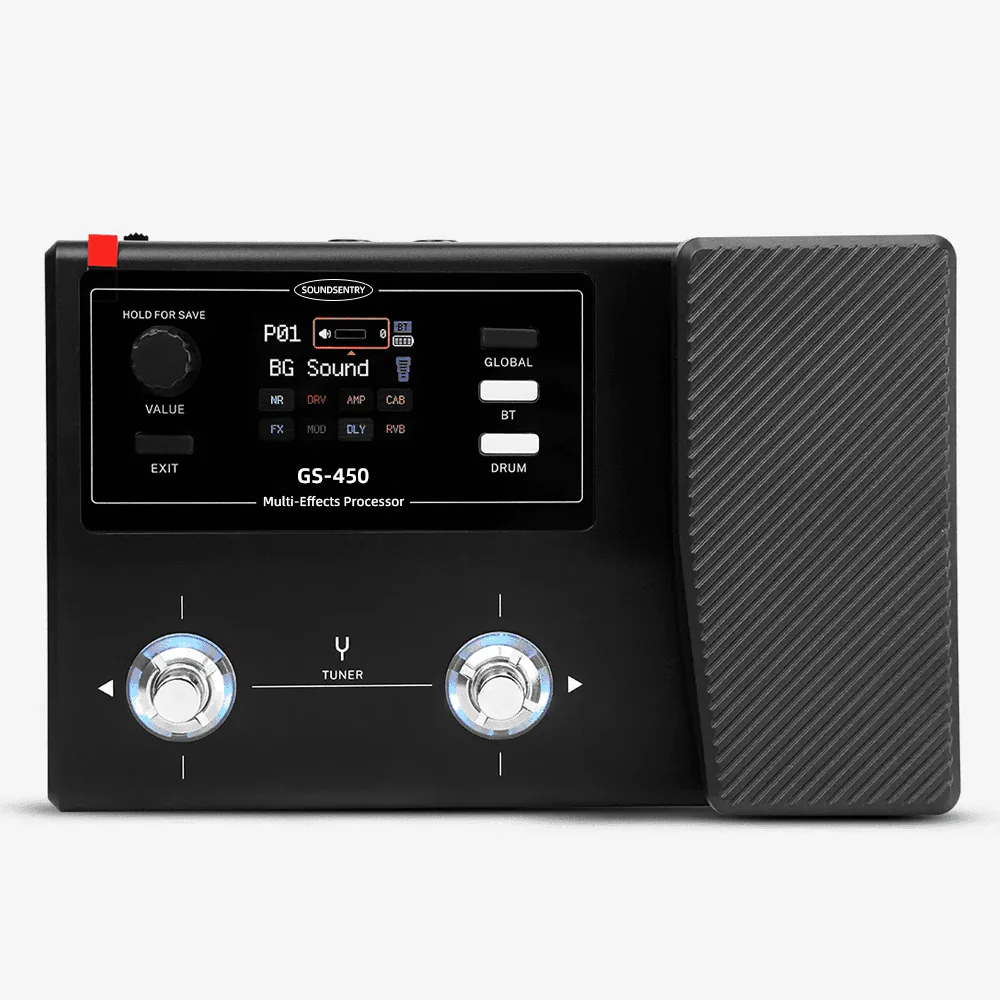
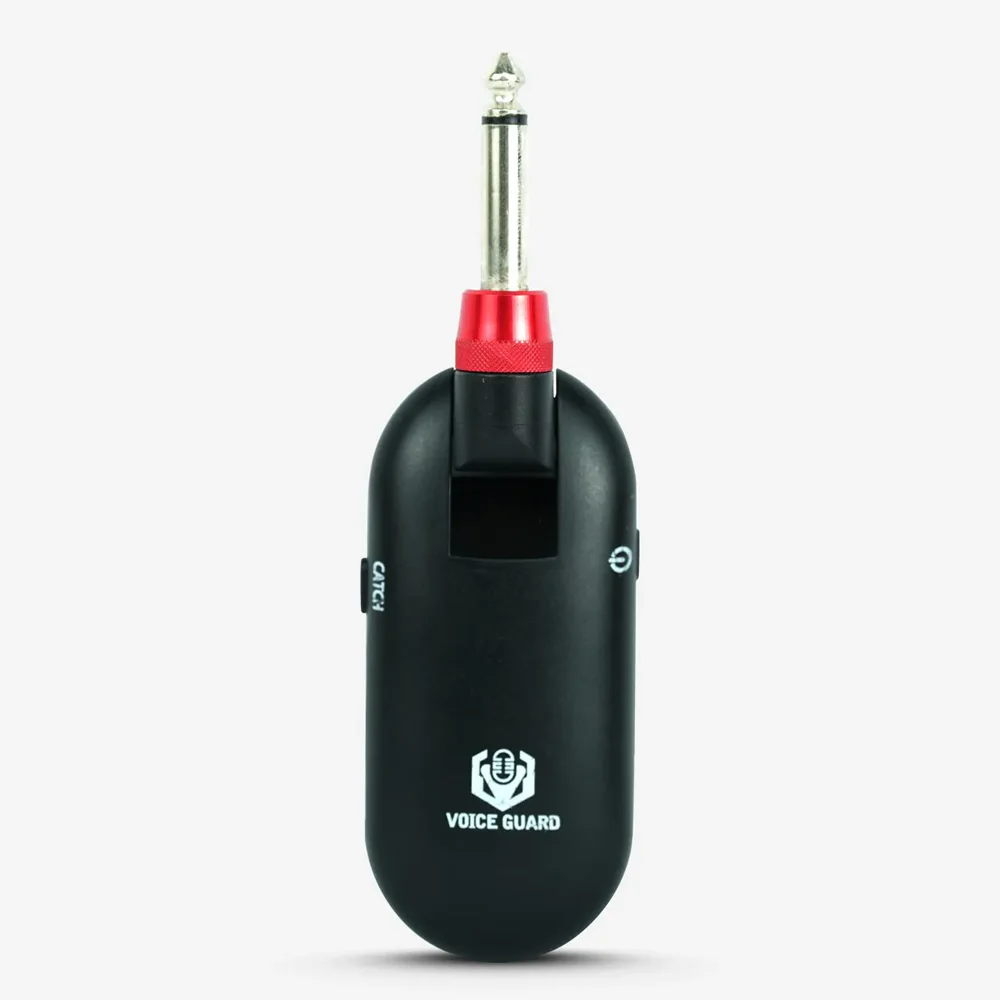
SoundSentry presents product examples and an OEM/ODM process that begins with requirements and sample review. The right route depends on the actual model, requested functions, artwork, packaging and approval evidence. Do not treat a photo of a current product as proof that a different circuit, wireless architecture or mechanical design is already offered.
Define the change, not just the label
For a private-label route, list the exact elements to be changed: logo placement, color, instructions and packaging. For a product modification, describe the baseline model and the proposed functional or mechanical difference. For a new design, provide target use, performance requirements, interfaces and ownership questions. The supplier must confirm feasibility and commercial terms in writing for the particular project.
Keep the approved sample, specification revision and artwork version together. A brand should also identify who signs off regulatory documentation for the destination market and which claims are supported by the supplied version. A generic certificate or a similar-looking sample cannot replace model-specific review.
| Route to discuss | Buyer supplies | Supplier must confirm |
|---|---|---|
| Private label | Baseline model, logo and packaging brief | Available options, artwork limits and sample |
| Modified existing model | Current model plus change list | Technical feasibility and revised specification |
| New development | Use case and target requirements | Development scope, ownership and approval gates |
Make the first conversation actionable
Write down which specifications are fixed, which are preferences and which remain open. Include the destination market, estimated quantity, target date and a decision owner for sample approval. Ask for a written scope and evidence list before comparing quotations; otherwise, two suppliers may be pricing different projects.
Use SoundSentry’s RFQ page to send the baseline product or category, the change list and the approval requirements. Avoid treating an indicative discussion as a production commitment.
Frequently asked questions
Is private label always faster than a modified product?
Not by definition. Timing depends on the model, artwork, packaging, sample approval and agreed order conditions.
Does “ODM” automatically transfer design ownership to the buyer?
No. Ownership, tooling and documentation rights need explicit project terms.
Plan Your OEM/ODM Project
Share your target product, market, estimated quantity, branding, packaging and certification requirements with the SoundSentry Technical Team.
View Related Products Request Product Information or a Quote