How to Source Guitar Accessories Wholesale: A Buyer’s Checklist for Quality, MOQ and Lead Time
Learn how music retailers and distributors can compare guitar accessory suppliers, evaluate samples and prepare a practical wholesale RFQ.
For a music retailer or distributor, a wholesale accessory order is rarely just a carton of low-cost add-ons. It becomes part of a product range that must fit the instruments customers own, present well at retail, arrive in the agreed configuration and be repeatable when the first order sells through. That is why the most useful starting point is a comparable purchasing brief—not a request for a lowest price.
This guide explains how to source guitar accessories wholesale with a repeatable process. It is written for buyers considering ranges that may include capos, pickups, wireless systems, cables, picks, compact amplifiers or effects products. The exact products, commercial terms and documentation should always be confirmed for the selected model and destination market.
Start with a range plan
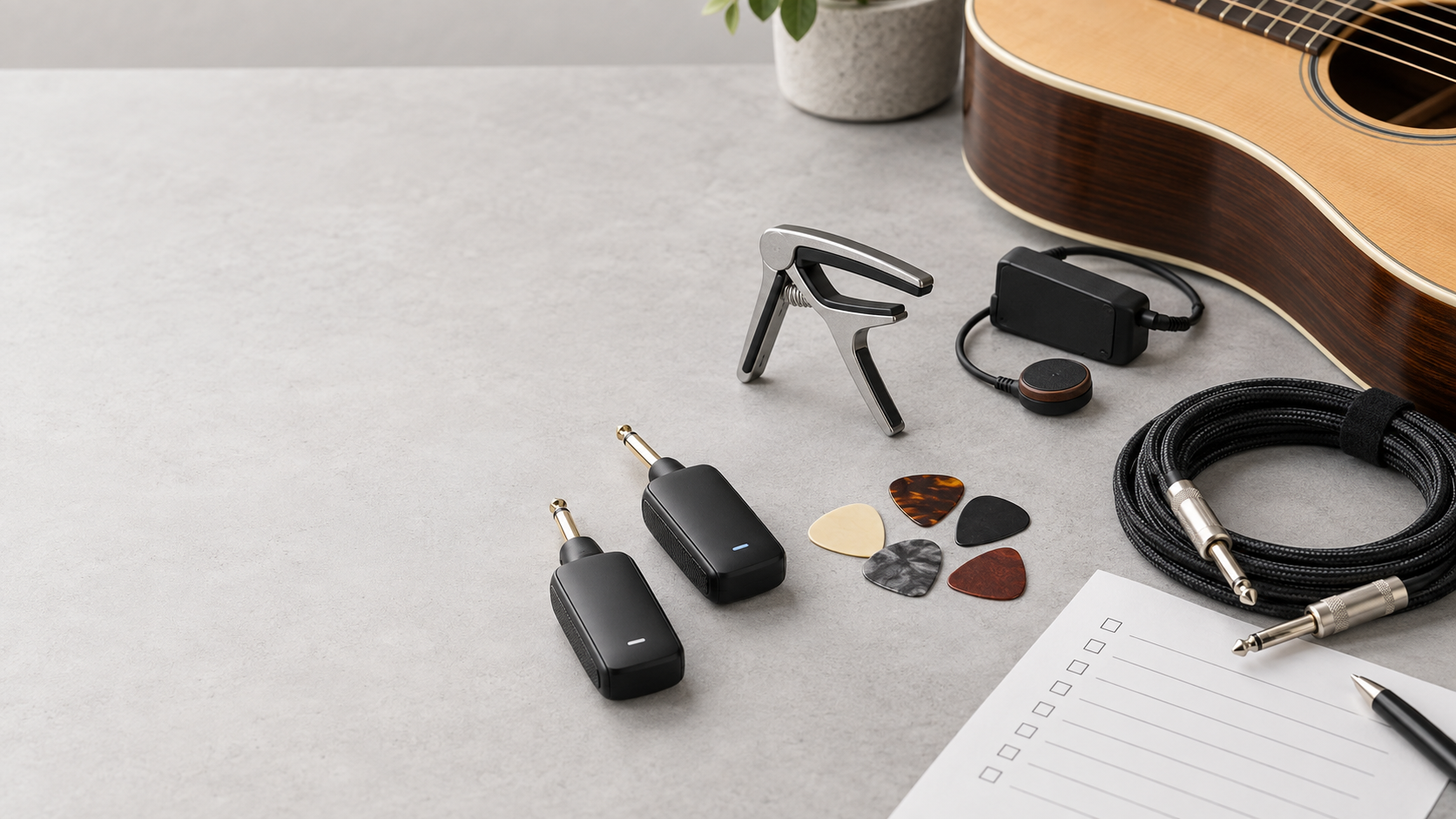
First, describe the customer and sales channel. A small music shop may need compact, easy-to-explain accessories that can be displayed near guitars. A distributor may need a broader assortment, clear product information and packaging suitable for onward delivery. A brand may need a defined product family and a private-label discussion.
List each proposed product group, its intended use, target instrument type and the information that must be confirmed. Avoid treating every accessory as interchangeable. A capo has a different compatibility question from an electronic pickup or a wireless system. The purpose of the range plan is to prevent a quote from combining unlike models, unconfirmed accessories or packaging assumptions.
Prepare a comparable RFQ
A useful request for quotation gives each supplier the same purchasing context. Include the selected product or reference model, expected quantity, target market, required functions, branding or packaging needs, whether a sample is required and any documentation needed for the destination. If the order involves several categories, ask the supplier to identify which items can be supplied together and which require a separate review.
Price should be compared only after the configuration is clear. A lower unit price may refer to different included accessories, packaging, documentation, finish or test conditions. Ask suppliers to identify those differences in writing before comparing a total landed-cost model.
Request a Product Selection
Share your target market, categories, estimated quantity and packaging needs with the SoundSentry team: Contact Us.
Evaluate samples against the intended use
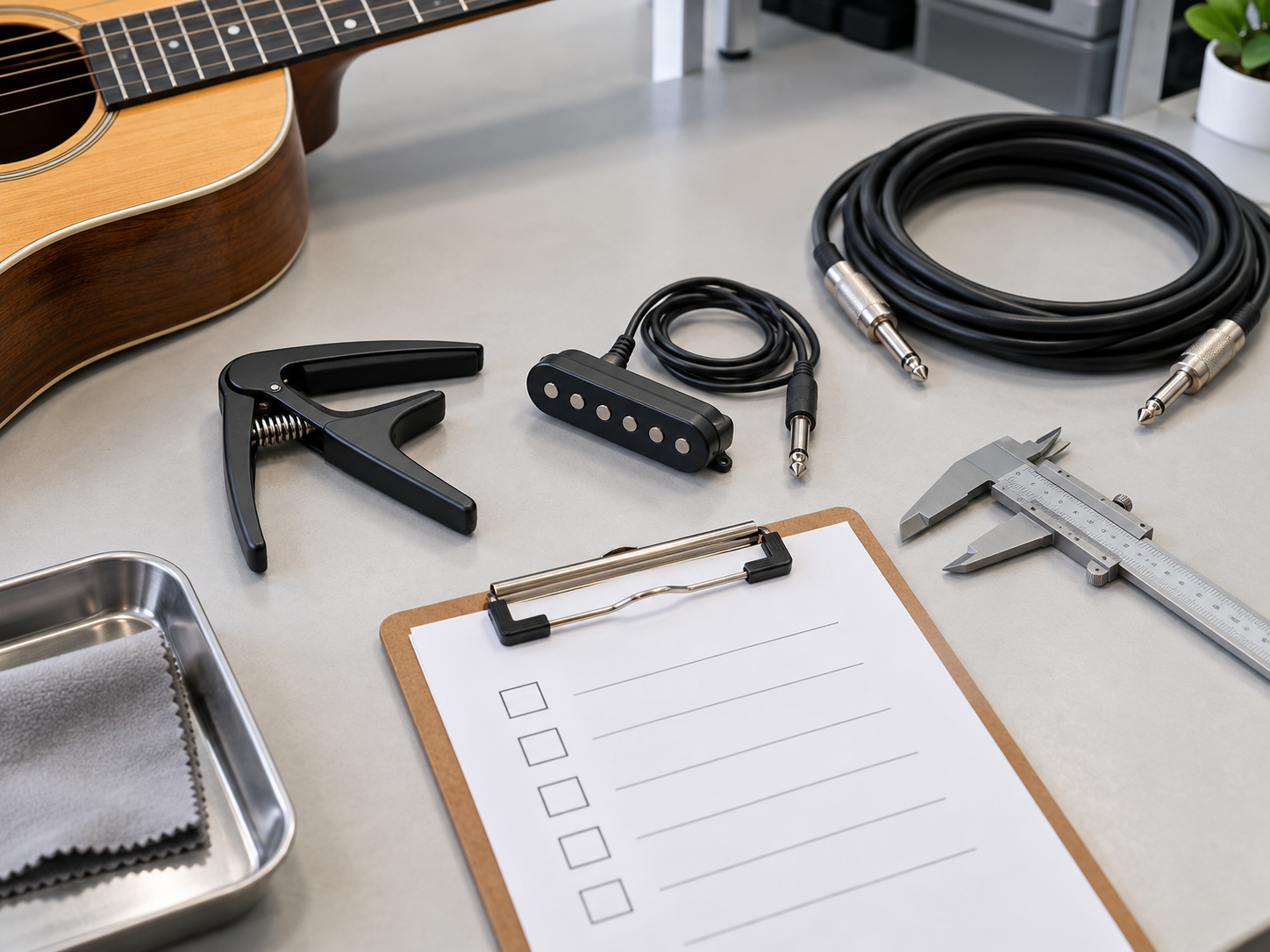
A sample is most useful when it is assessed with a written checklist. Review visual condition, fit, basic operation, included accessories, packaging and any model-specific functions that affect the customer experience. Record the model, version, finish, accessories and packaging that were reviewed. This prevents a later quotation or bulk order from drifting away from the configuration that the buyer approved.
For electronic products, confirm the exact connections, power arrangement, supplied accessories and target-market documentation required for the selected model. Do not infer that one model’s capabilities, certifications or lead times apply to another.
Use a supplier-comparison sheet
Once the buyer has identified two or more viable sources, place the answers in one comparison sheet. Use one row per product configuration rather than one row per broad category. The columns should show the model or reference, intended application, what is included, sample status, packaging format, branding status, destination-market documentation required, quantity basis and quotation notes. A separate comments column is useful for changes that still need confirmation.
This avoids a common sourcing error: comparing a simple product-only quote with a quote that includes a different accessory set, retail packaging or an unapproved brand treatment. It also makes internal approval easier. Sales, purchasing and product teams can see which details are confirmed and which must remain open until a sample or quotation is reviewed.
RFQ information checklist
Before sending an inquiry, prepare the following information:
- Product category, exact model or reference image, and intended end use.
- Target market and planned sales channel.
- Estimated quantity for a first order and a separate estimate for repeat orders if relevant.
- Required functions, connections, finish or accessory combinations.
- Whether branding, packaging, instructions or other presentation work is being considered.
- Sample requirement, intended evaluation date and who will approve it.
- Required product, safety or market documents for the destination.
The checklist does not replace a quotation. It gives the supplier enough context to identify the model and to say clearly which items can be confirmed now and which depend on project conditions.
Agree the sample before approving production
The buyer should treat an approved sample as a configuration record. Note the date, model name, product version, visible finish, included accessories, packaging and any agreed functional checks. If a product has electronics, record the relevant connections, power arrangement and version of the supplied instructions. Photos can help the record, but they should be labelled as reference images and must not substitute for a written confirmation.
If the buyer requests a change after reviewing the sample—such as different packaging, a logo position, an accessory bundle or a different product version—ask for an updated quotation and confirmation. A second review may be appropriate when the change affects fit, operation, packaging or market documentation. This is more efficient than discovering a configuration difference after the bulk order has already been prepared.
Compare commercial terms without guessing
MOQ, lead time, payment terms, shipping arrangements, warranty and after-sales support are commercial terms. They are meaningful only when tied to a specific product configuration, quantity and destination. A buyer can ask suppliers to explain the condition behind each term, for example whether a figure changes with packaging, branding, sample approval or a requested document. Never turn a preliminary indication into a public promise.
The same rule applies to country or regional claims. A supplier may support an international buyer without having a local warehouse, office or distributor in that market. Content should describe the actual supply discussion and avoid implying local stock, local service or an established market presence without evidence.
Review packaging and shipment preparation
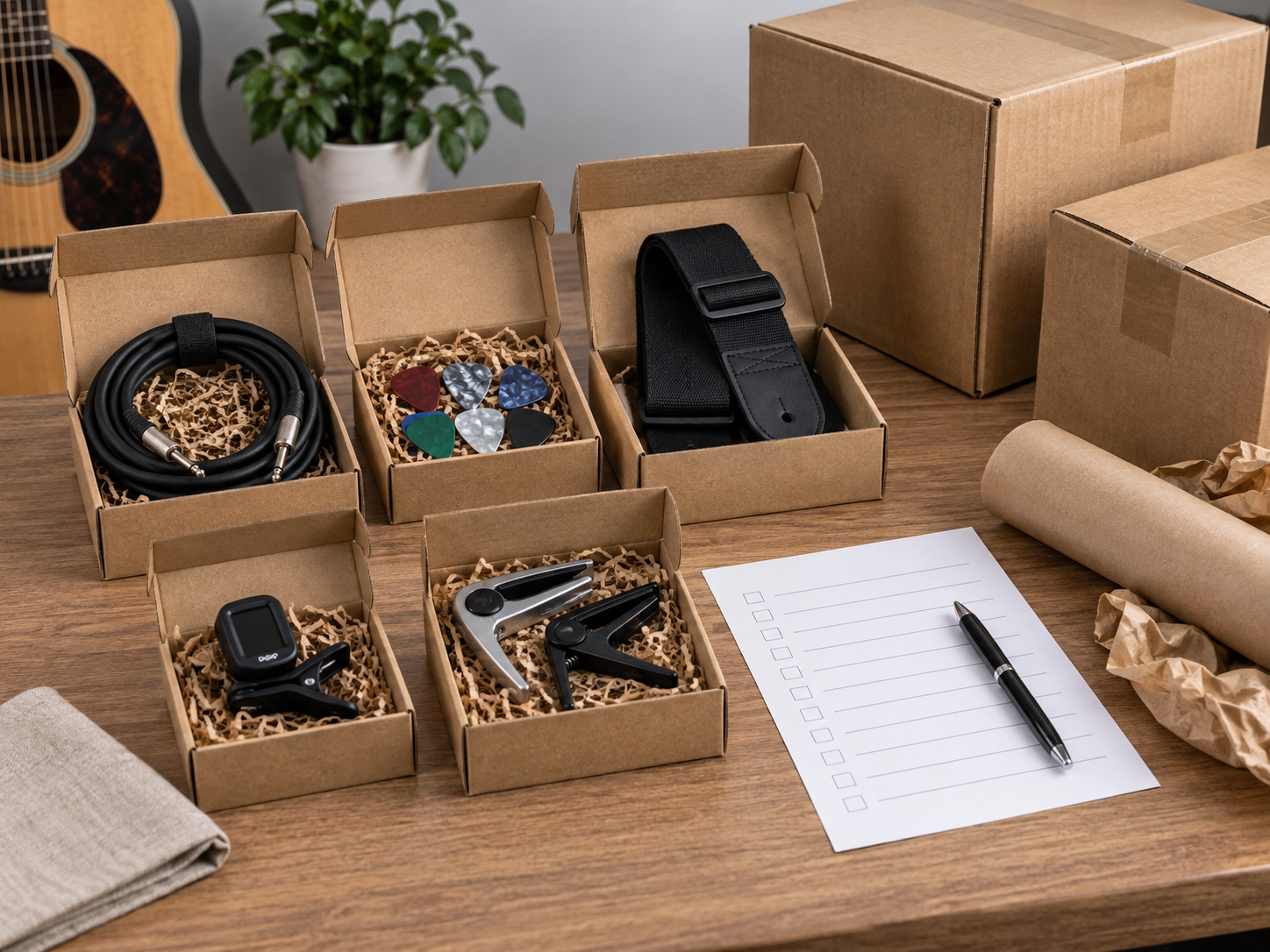
Retail presentation and shipping protection should be discussed before the bulk order is released. Buyers should check carton count, product-to-package match, visible condition, protective material, accessories and the consistency of the packed configuration with the approved sample. These checks are practical whether the order is a small trial or a repeat purchase.
Where a buyer needs branded packaging, logo treatment or instructions, those requirements belong in the same approval record as the product version. Treat them as project-specific until confirmed by the supplier.
Build a repeat-order process
Keep the approved sample record, quotation, packaging requirements and inspection checklist together. On a repeat order, review what has changed: quantity, destination, model revision, accessory mix, branding, packaging or required documentation. This is a simple way to reduce avoidable differences between orders.
Practical pre-shipment questions
Before a shipment is released, a buyer can check whether the carton count matches the agreed documents, whether the packed product corresponds to the approved configuration, whether visible product condition and packaging are acceptable, and whether included accessories have been counted. For electronic products, the buyer may also confirm that the selected connection, power and documentation requirements remain correct for the destination. The method and acceptance level should be agreed by the parties; this guide does not replace a model-specific inspection plan.
Common purchasing mistakes to avoid
The first mistake is mixing consumer language with B2B requirements. A buyer may like a product image or a short feature list, but still need the model, product version, included accessories, packaging and supply terms defined before making an order decision. The second is relying on a broad supplier claim instead of a model-level answer. Ask what is confirmed for the chosen configuration and record the response.
The third is treating a sample as separate from the order. The sample should connect to the final quotation: the same model, appearance, accessories, packaging and agreed functional scope. Finally, avoid publishing or promising information that has not been approved for the selected product. A careful content page can explain how buyers should assess a supplier while directing them to request model-specific information.
A simple decision sequence
Use this order: identify the range need; prepare a consistent RFQ; compare supplier responses; evaluate a sample; approve the configuration; confirm the quotation; and check the shipment against the approved record. Each step has a different job. Keeping them separate makes a wholesale purchase easier to audit and repeat.
Score suppliers on evidence, not presentation alone
A polished catalog is useful, but it does not answer every procurement question. Build a supplier scorecard around evidence that can be reviewed for the selected products. Suggested fields include the completeness of model information, clarity of the sample process, responsiveness to technical questions, packaging confirmation, documentation handling, quotation consistency and the process for recording changes.
The scorecard does not need an artificial numerical result. A simple status such as confirmed, pending or not applicable is often more useful. For example, a supplier may confirm that a model is available for sample review while packaging artwork remains pending. Keeping those states separate prevents an early discussion from being mistaken for final approval.
Product information
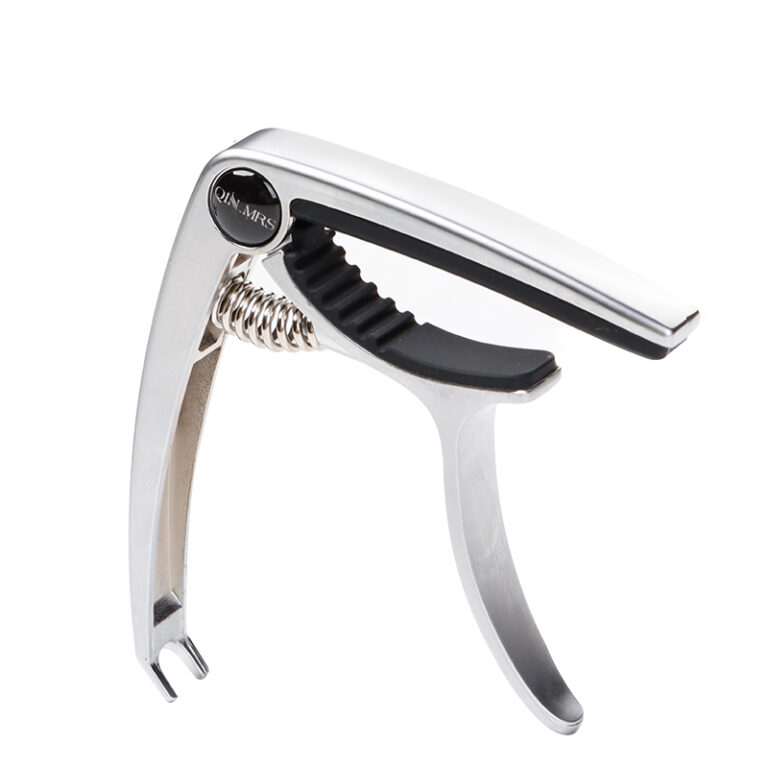
Check whether the supplier can identify the exact model, intended application and included items. For a capo, this might mean construction, contact surfaces and intended guitar types. For a pickup, wireless system, amplifier or effects product, it may include connections, power, supplied accessories and functions. The buyer should be able to connect every important claim to a named model or approved sample.
Sample and change control
Ask how the reviewed sample will be identified in later documents. If branding, packaging or functions change, determine whether an updated sample, photograph, specification sheet or written confirmation is required. A useful supplier does not simply say that customization is possible; it explains which details are still open and how they will be approved.
Communication and ownership
Record who is responsible for technical confirmation, artwork approval, purchasing approval and shipment coordination. When several people communicate with a supplier, decisions can become fragmented across messages. A central approval record reduces the chance that an informal comment overrides the configuration accepted by the buyer.
Example of a structured wholesale inquiry
A retailer could send a concise request such as the following:
“We are planning an accessory range for independent music stores in our market. Please recommend currently available models in the requested categories and identify the exact configuration for each. Our initial quantity estimate, intended retail packaging, sample requirement and target delivery period are listed below. Please confirm what is included, which branding or packaging options can be discussed, what documentation is available for the selected electronic products and which details must be finalized before quotation.”
The buyer can then attach a table with one line per model. This wording does not demand an unsupported promise. It invites the supplier to separate confirmed information from project-dependent information and creates a useful starting point for a comparable response.
Plan an assortment that can be explained at retail
Wholesale buyers also need to consider how the range will be sold. Each item should have a clear customer problem, compatible application and concise explanation. If two products serve nearly the same purpose, the buyer should be able to explain the difference. If an accessory requires another product or a particular connection, that requirement should be visible in product information and staff training.
An assortment can be organized into entry, step-up and specialist roles without inventing performance claims. The entry option may focus on a simple use case; the step-up option may add a confirmed construction or workflow benefit; and a specialist option may address a narrower instrument or electronic requirement. The actual structure depends on the models available and the retailer’s audience.
Calculate value beyond unit price
Unit price is only one part of a buying decision. Packaging, included accessories, sample costs, inspection arrangements, documentation work, shipping volume, replacement handling and the effort required to explain the product can all affect the commercial result. Buyers can compare these elements without publishing unsupported cost savings or margin claims.
A useful internal comparison separates product cost from one-time project work and recurring order costs. It also records assumptions such as quantity and packaging format. If a quote changes, the buyer can see whether the cause is quantity, configuration, branding or another project condition rather than assuming that the supplier changed price without reason.
Make the article useful for AI search and human buyers
For AI-assisted search, the strongest content answers a specific question directly and then explains the conditions behind the answer. Short definitions, checklists and comparison criteria help a search system understand the page, but they must remain accurate. Headings should describe real buyer decisions rather than repeat variations of the same keyword.
For human buyers, the page should also offer a next step. A visitor who has already defined categories and quantities may be ready to send an RFQ. Another visitor may need a product selection discussion first. The CTA should allow both paths and ask only for information that helps identify a suitable model and quotation.
Frequently asked questions
What should I ask a guitar accessories supplier before requesting a quote?
Provide the intended products, quantities, target market, sample requirement, packaging needs and required documents. Ask the supplier to identify the exact model and configuration to which the quote applies.
How should I compare MOQ and lead time?
Compare them only for the same confirmed model, quantity, packaging and branding requirements. A supplier should confirm commercial terms for the selected project rather than relying on a generic figure.
Can I combine different accessories in one order?
That depends on the actual models, quantities, packaging and supply arrangement. Ask for confirmation instead of assuming that a mixed assortment is available.
Conclusion
Good wholesale sourcing begins with a clear product range and ends with a confirmed configuration. Buyers who document the RFQ, sample, packaging and inspection points can compare suppliers more fairly and prepare repeat orders with fewer surprises. Explore SoundSentry’s live guitar accessories, capos, pickups and wireless systems, then discuss your sourcing requirements.
Plan Your OEM/ODM Project
Share your target product, market, estimated quantity, branding, packaging and certification requirements with the SoundSentry Technical Team.
View Related Products Request Product Information or a Quote