From Golden Sample to Bulk Production: Controlling Product Changes
How guitar electronics buyers can keep approved functions, components, artwork, packaging and documentation consistent from sample approval to bulk production.
A buyer can approve a sample that looks right, sounds right and passes the first round of tests, then still receive a bulk shipment with small but frustrating differences. The problem is often not the factory’s ability to reproduce the product. It is that the approved sample was treated as a physical object, while too many decisions remained outside the record.
One buyer points to the sample and says, “Make the production exactly like this.” The factory looks at the specification sheet, packaging artwork and purchase order. If those documents do not describe the same product, the team has to fill in the gaps. That is where changes begin.
For guitar electronics projects, a golden sample works best when it is supported by a short, usable control plan. It should tell purchasing, engineering, production and quality teams which details are fixed, which details can still change, and who has authority to approve a change.
The golden sample is a reference, not the whole agreement
The approved unit is important because it gives both sides a physical reference for appearance, operation and presentation. But one unit cannot show every requirement. It does not explain which internal components were agreed, which firmware version was loaded, which accessories belong in the box, or whether a certain color variation is acceptable.
Before production planning begins, connect the sample to a dated specification sheet, approved artwork files and an approval record. Use the same model name or project code on every document. If the factory and the buyer use different names for the same version, a later email can easily be attached to the wrong configuration.
Freeze the decisions that affect function and compliance
Start with the details that could change the way the product is tested, used or documented. For an electronic music product, that may include the approved functions, input and output arrangement, power or charging method, control labels, included accessories and the documentation required for the destination market.
This does not mean copying every engineering note into the purchase order. The useful question is: if this item changed, would the buyer need to test or approve the product again? If the answer is yes, it belongs in the controlled specification.
A practical specification freeze normally records:
- model and approved configuration;
- functions, connections and user controls;
- power, charging and supplied accessories;
- logo position, color reference and control-panel artwork;
- packaging structure, labels, manuals and carton marks;
- required test points and approval criteria;
- the applicable certification documents for the selected model and market.
Exact component details can be handled in the technical file or approved bill of materials when appropriate. What matters is that a substitute cannot be introduced quietly when it affects performance, reliability, safety, appearance or certification.
Separate “must match” from “acceptable variation”
Not every visual difference is a defect. Materials, printing and surface finishes can have normal production variation. A control plan becomes more useful when it distinguishes a must-match requirement from an acceptable range.
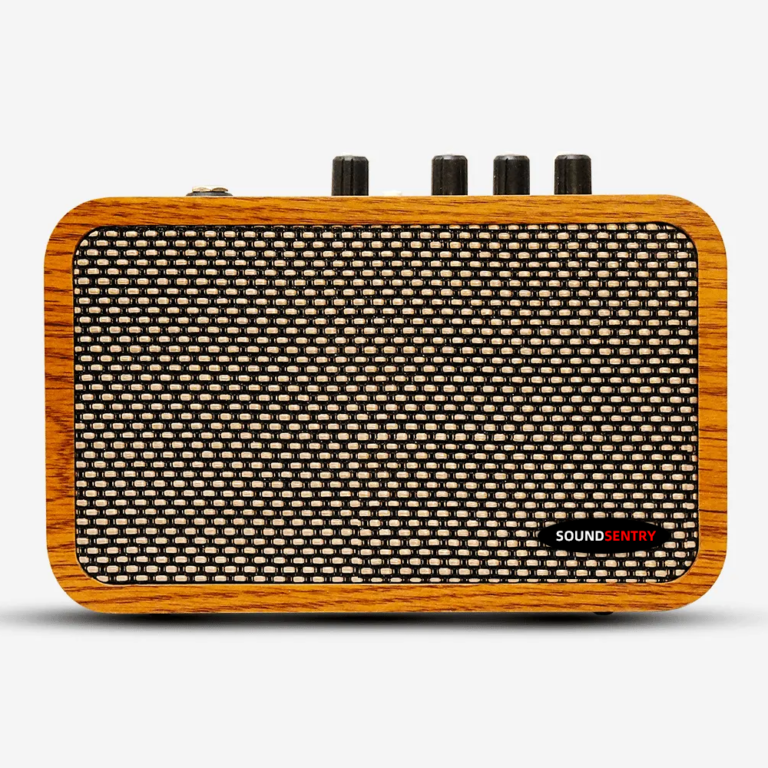
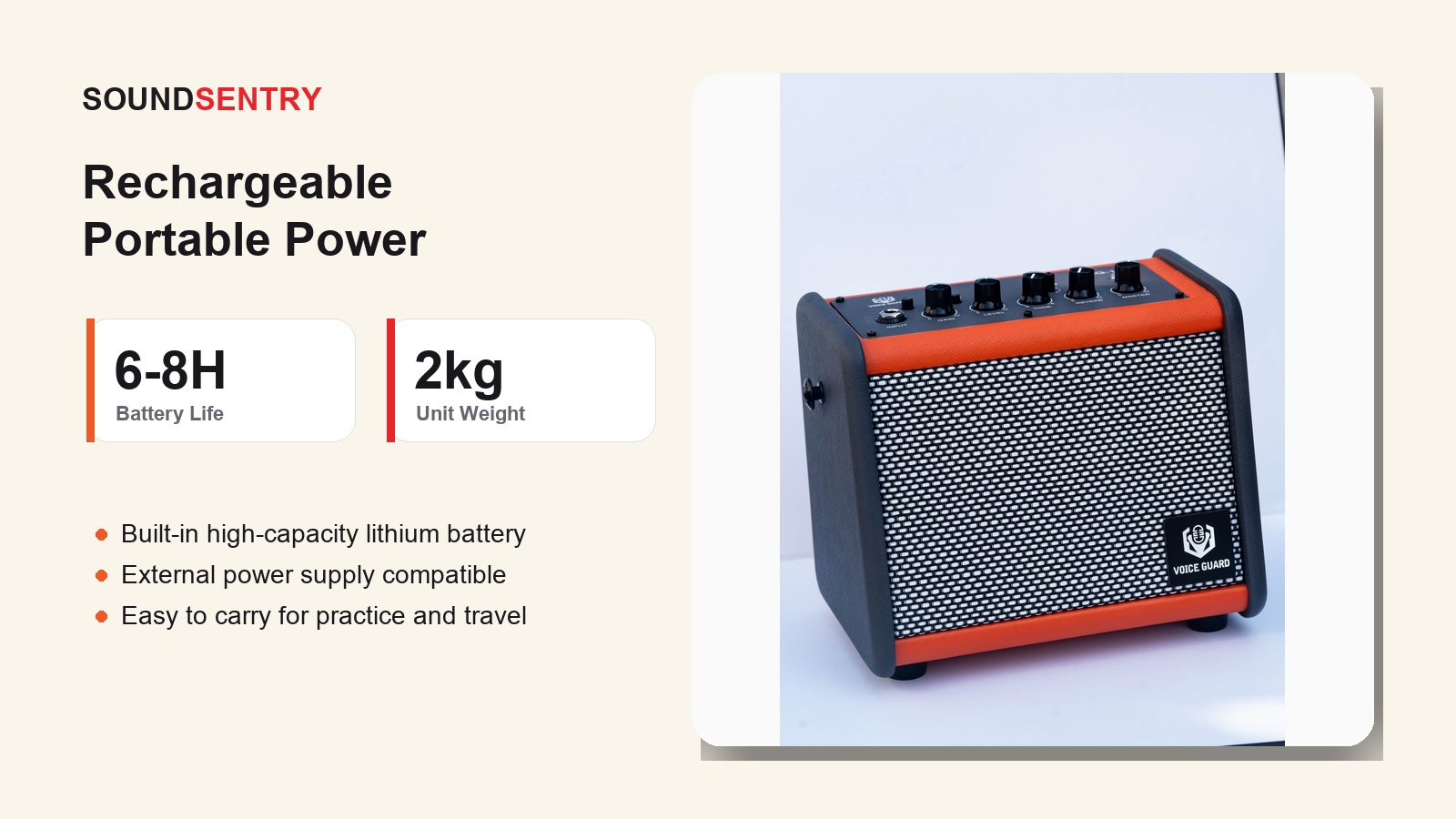
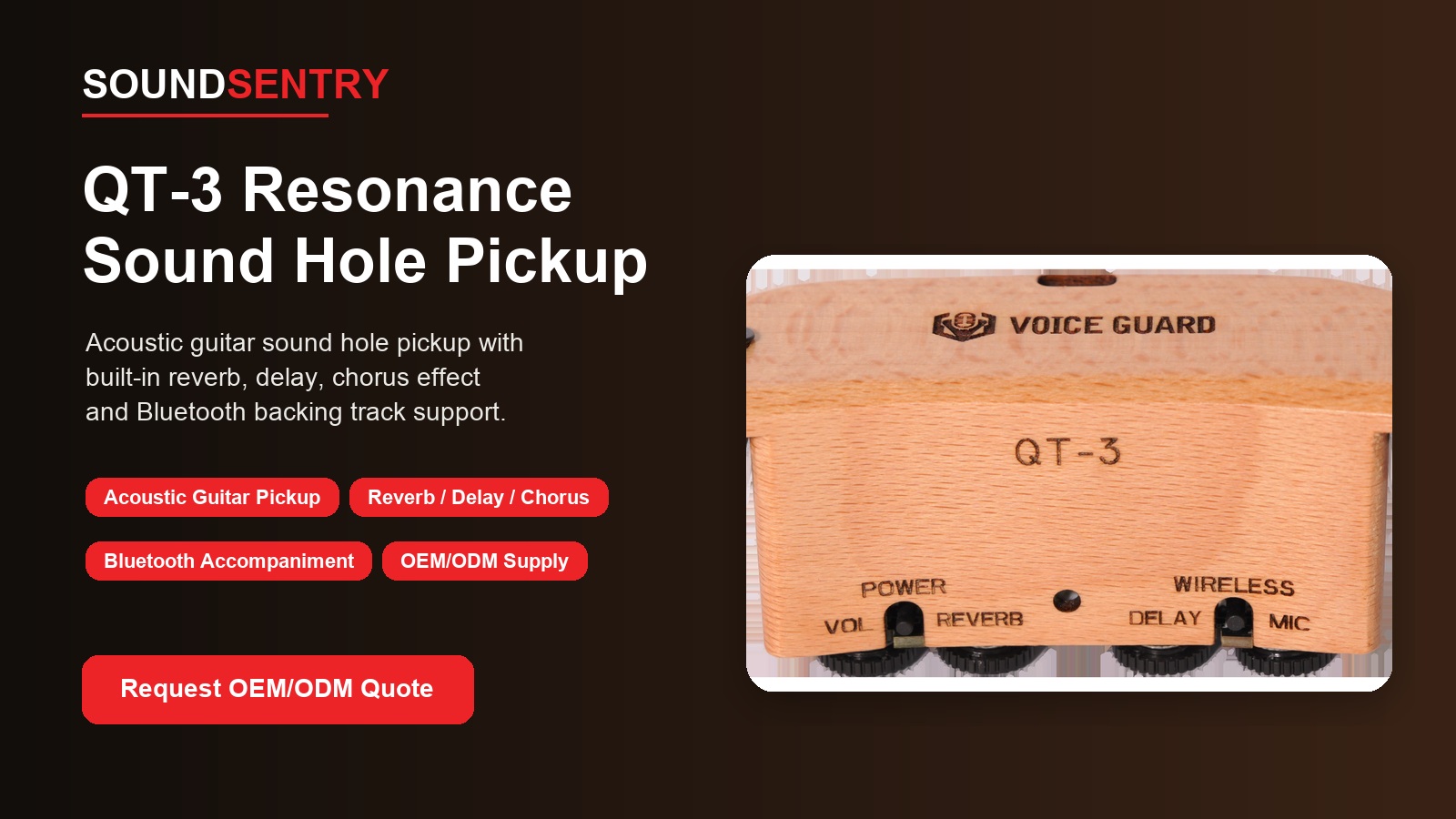
For example, a logo position may have a dimensional tolerance, while the logo file itself must match the approved artwork. A wooden part may show natural grain variation, while its shape, mounting position and control labels must remain consistent. Packaging color may be checked against a printed reference rather than a phone screen.
Writing these distinctions before production avoids two common arguments: the factory assuming a visible difference is acceptable, and the buyer rejecting natural variation that was never defined.
Control changes with one simple rule
A useful rule is straightforward: no change that affects an approved requirement should enter production without a written record and buyer approval.
The record does not need to be complicated. It should state what is changing, why the change is proposed, which models or orders are affected, and whether new testing, artwork, documentation or samples are required. Photos can help, but they should support the description rather than replace it.
Small changes deserve attention because several of them can arrive together. A connector supplier changes, the printing process changes, and the carton insert is revised. Each decision may look minor on its own, but together they can create a product that no longer matches the approved sample.
Use a pilot run to test the handover
The first production units reveal whether the approved information moved successfully from the sample team to the production line. This is the moment to compare actual units with the golden sample and the controlled documents.
Check the agreed functions, controls, connections, appearance, accessories and packaging. Confirm that inspection staff are using the same acceptance points discussed during sample approval. If a problem appears, record the correction and decide whether another approval is needed before the main quantity continues.
A pilot review is especially useful when a project includes new tooling, custom packaging, revised electronics, new artwork or multiple product variants. It is cheaper to correct the handover at this stage than after finished cartons are waiting for shipment.
Keep the buyer’s approval record easy to use
The best approval file is not the longest one. It is the file that a purchasing manager can open six months later and understand which version was ordered. A compact folder can include:
- the signed or otherwise approved specification sheet;
- photos and identification of the golden sample;
- final logo, label, manual and packaging artwork;
- the sample test and approval checklist;
- approved change records;
- pilot-run findings and final release confirmation.
Before requesting a sample, buyers can use our OEM guitar electronics RFQ checklist to organize the first specification. The OEM/ODM sample process guide explains how the evaluation moves from requirements to approval. For model-specific testing, see the sound-hole pickup sample checklist and our guitar amplifier quality-control checklist.
A better question before mass production
Instead of asking only, “Is this the final sample?” ask, “Could another team reproduce this version from the approved information without guessing?”
If the answer is yes, the golden sample is doing its job. If the answer depends on one person’s memory or a long message thread, the project is not fully frozen yet.
SoundSentry Music supports OEM/ODM discussions for guitar amplifiers, wireless instrument systems, pickups, effects and related music products. To review a sample-control plan for a specific project, contact our technical team with the target product, market, estimated quantity, branding and packaging requirements.
Plan Your OEM/ODM Project
Share your target product, market, estimated quantity, branding, packaging and certification requirements with the SoundSentry Technical Team.
View Related Products Request Product Information or a Quote