OEM Guitar Electronics RFQ Checklist for Buyers
Use this practical OEM guitar electronics RFQ checklist to define specifications, samples, branding, certification, packaging and delivery before quotation.
An effective request for quotation does more than ask for a unit price. For guitar electronics, amplifiers, pickups, wireless systems and effects pedals, the RFQ should give the manufacturer enough information to select the correct configuration, evaluate feasibility and prepare a comparable quotation.
This checklist helps music brands, distributors and importers organize an OEM or ODM inquiry before requesting samples or negotiating a production order. It also reduces repeated questions, specification changes and avoidable delays during product development.
Why a Detailed RFQ Matters
Two products with a similar appearance can have very different functions, components, accessories, certification requirements and packaging costs. A quotation based only on a product photo or model name may not reflect the final project.
A useful RFQ should answer four questions:
- What product and market are you targeting?
- Which functions and performance requirements are essential?
- What should be customized?
- How will the sample and production order be approved?
1. Define the Product and Target Market
Start with the product category, intended user and sales channel. A practice amplifier for online retail has different priorities from a dealer-focused amplifier, a stage wireless system or a private-label pickup kit.
Include the following information:
- Product category and reference model
- Target customer and expected retail positioning
- Destination country or region
- Online, retail, distributor or promotional sales channel
- Target order quantity and expected annual demand
- Required launch or delivery date
The target market also affects labeling, manuals, plugs, packaging language and certification documentation. These requirements should be discussed before the quotation is finalized.
2. Separate Essential Specifications from Optional Features
Create two lists: functions the product must have and options that can change after cost review. This helps the supplier quote a practical base configuration while showing where alternatives are possible.
| RFQ Section | Information to Provide |
|---|---|
| Core function | The main use case and functions that cannot be removed |
| Audio performance | Expected sound, control range, noise requirements and evaluation method |
| Connections | Inputs, outputs, charging, recording, headphones, USB or wireless functions |
| Power | Adapter, rechargeable battery, operating time or target-market plug requirements |
| Accessories | Cables, adapters, mounting parts, bags, manuals and spare items |
| Appearance | Color, finish, control labels, logo placement and product marking |
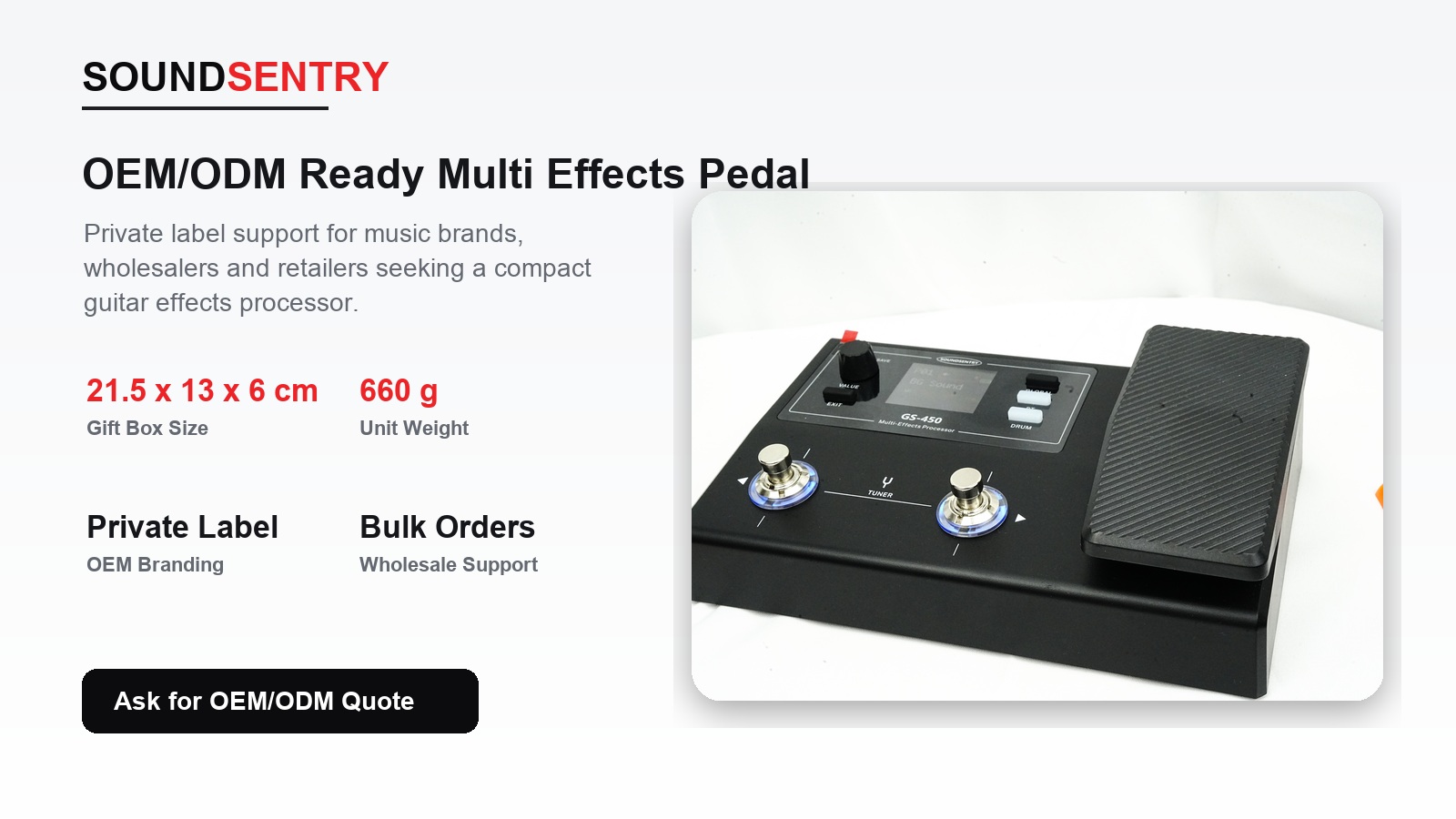
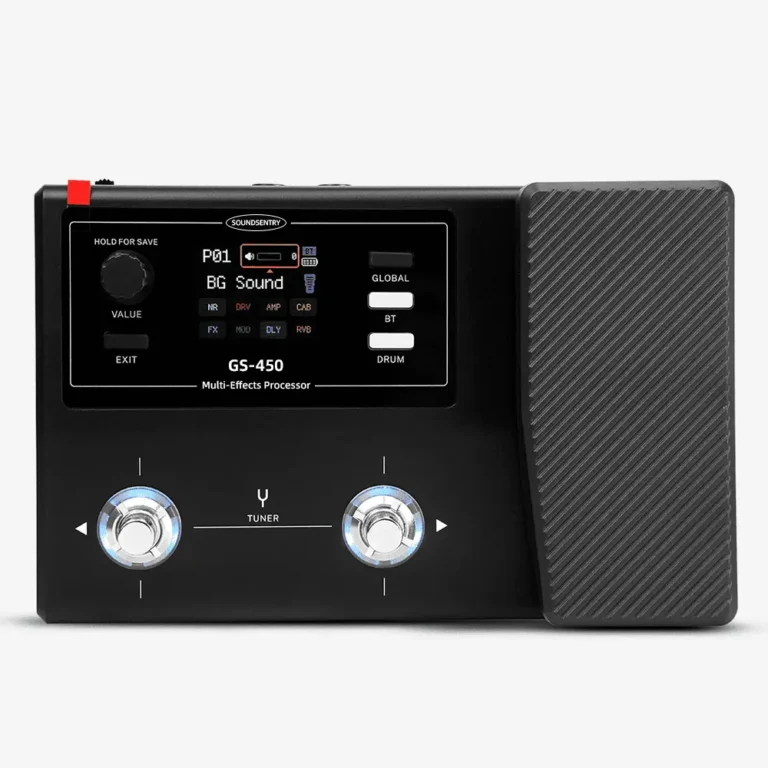
For a multifunction effects product such as the GS-450 multi-effects pedal, buyers may need to confirm presets, effect modules, IR functions, tuner operation, Bluetooth or recording features, connections and packaging. The exact configuration should be tied to the approved sample rather than assumed from a general product description.
3. Specify How the Sample Will Be Evaluated
A sample request should include an approval checklist. Without one, the buyer and factory may focus on different details.
For guitar electronics, sample evaluation can cover:
- Function and control operation
- Sound quality, output level and noise
- Wireless pairing, latency, range and interference where applicable
- Charging, battery and power behavior
- Mechanical fit, knobs, switches, connectors and mounting parts
- Logo, labels, finish and color
- Accessories, manual and packaging
- Required certification documents
Record the approved sample version, software or firmware version where relevant, artwork version and agreed accessories. These references should remain attached to the production order.
Once the sample is approved, use a written golden sample control plan to keep the agreed functions, components, artwork, packaging and documentation consistent through bulk production.
4. Describe the OEM and ODM Scope
“OEM required” is too broad for an accurate quotation. State exactly what you want the manufacturer to change.
Common private-label options
- Product logo and model name
- Enclosure color, finish or grille material
- Control-panel text and label language
- Instruction manual and warranty card
- Gift box, insert, barcode and shipping marks
- Accessory configuration
Options that require more engineering review
- Changes to functions, controls or connections
- New enclosure structures or tooling
- Electronic, acoustic or wireless performance changes
- Application, firmware or user-interface changes
- Market-specific power and compliance requirements
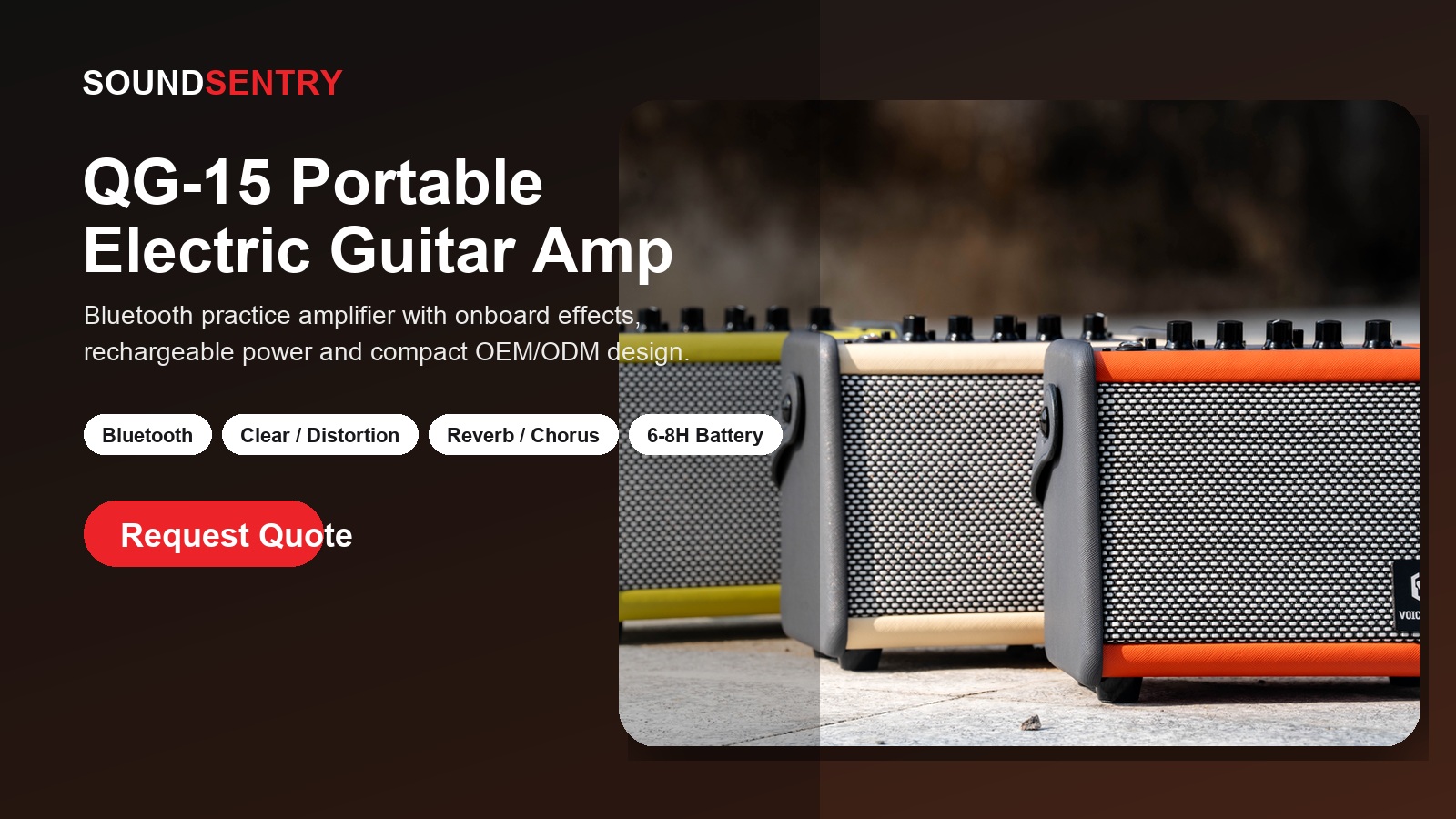
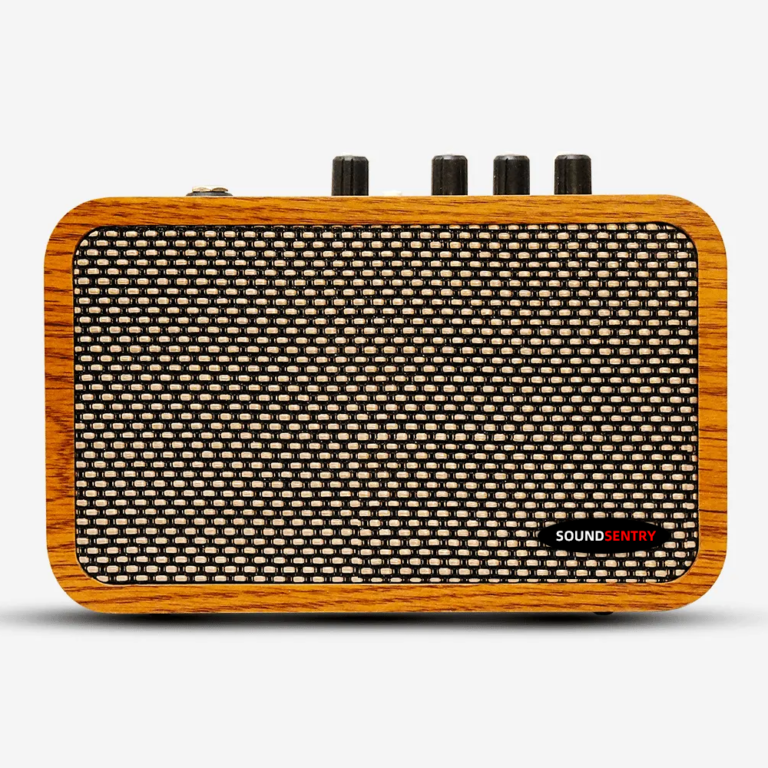
The QG-15 portable guitar amplifier is an example of a product where appearance and packaging can be discussed alongside model-specific controls, effects, Bluetooth, recording, headphone practice and rechargeable-power requirements.
5. State Certification and Destination-Market Requirements
Certification is linked to the exact model, configuration and destination market. Do not simply write “certification required.” Tell the supplier where the product will be sold and which documents your importer, marketplace or customer requires.
SoundSentry Music electronic products have CE and 3C certification support. The buyer should still confirm the applicable model, report or certificate, labeling and destination-market requirements during quotation. See our electronic product certification information for the correct discussion points.
6. Define Packaging and Documentation
Packaging affects cost, product protection, presentation and shipping efficiency. Include:
- Retail box style and printing
- Inner protection and accessory position
- Manual language and required warnings
- Barcode, model label and serial-number requirements
- Master-carton quantity and shipping marks
- Drop-test or marketplace packaging requirements
If final artwork is not ready, ask the supplier to quote standard packaging and list custom printing separately. This makes the first quotation easier to compare.
7. Provide Quantity, Sample and Delivery Information
MOQ and lead time depend on the model and customization scope. A standard product with a logo may have a different requirement from a new color, printed box, function change or newly developed structure.
Include:
- Sample quantity
- Estimated first production quantity
- Expected repeat-order volume
- Preferred Incoterm and destination port or address
- Target sample date and production-delivery date
- Whether packaging artwork is ready
Ask for the schedule to be divided into sample preparation, sample approval, material preparation, production, inspection and shipment. This is more useful than asking only for a single lead-time number.
8. Add a Production Quality-Control Plan
The approved sample is only the starting reference. The RFQ should ask how incoming materials, assembly, function, appearance, packaging and final inspection will be controlled.
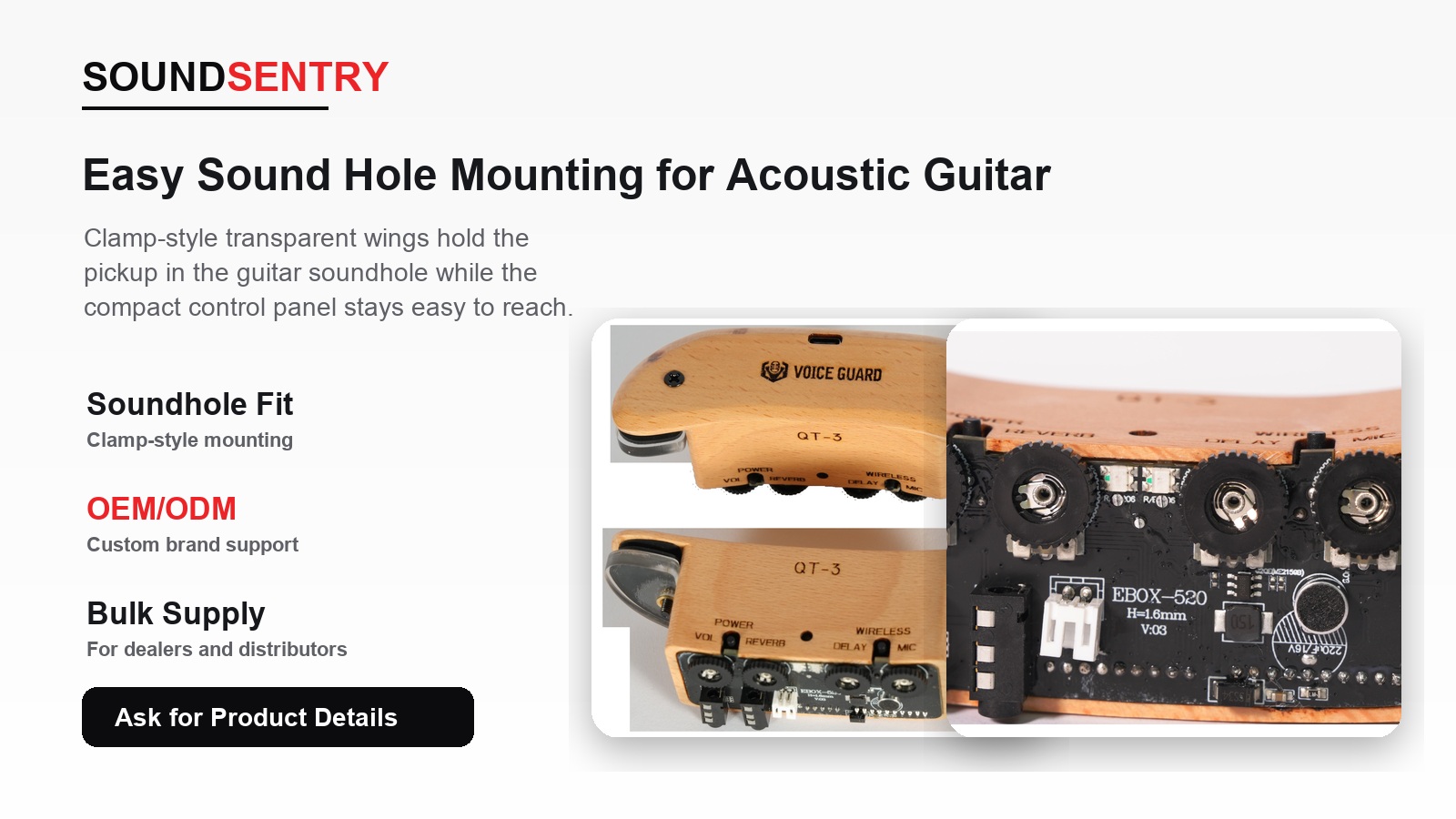
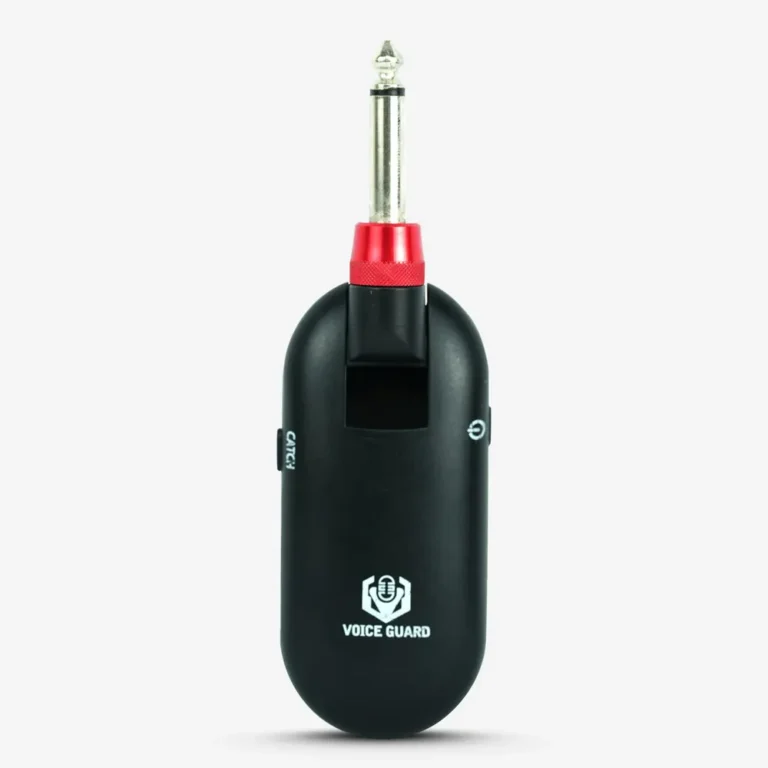
For a product such as the QT-3 sound-hole pickup, the evaluation should include fit on the intended instrument, mounting parts, output and noise, controls, charging or wireless functions where selected, product marking and the complete accessory kit.
Review SoundSentry Music’s quality-control process and include any customer-specific inspection level or test method in the quotation request.
9. Ask for a Clear Commercial Breakdown
A useful quotation should separate the base product from project-specific costs. Ask the supplier to identify:
- Unit price and quantity tier
- Sample charge
- Logo, color and packaging charges
- Tooling or development charges where applicable
- Certification or testing costs if new work is required
- Accessories and spare-parts pricing
- Payment terms and quotation validity
- Warranty and after-sales arrangements
This structure makes alternative configurations easier to compare and prevents optional changes from being hidden inside a single unit price.
Copy-and-Use RFQ Checklist
- Company, market and sales channel
- Product category and reference model
- Essential functions and optional functions
- Connections, power and accessories
- Target sound or performance requirements
- Logo, color, labels and packaging
- Certification documents and destination market
- Sample quantity and approval checklist
- Estimated production quantity and repeat demand
- Target sample and delivery schedule
- Incoterm and shipping destination
- Warranty, spare parts and after-sales requirements
Working with SoundSentry Music
SoundSentry Music was established in 2018 and supports guitar pickup, wireless instrument system, guitar amplifier and effects-pedal projects. Our production operation in Huizhou, Guangdong covers approximately 4,000 square meters with a team of about 50 people. OEM and ODM discussions can include branding, selected functions, instructions, accessories and packaging.
Review the OEM/ODM process, browse our product range, or send the checklist through the quotation form. You can also contact info@soundsentrymusic.com or WhatsApp +86 135 7037 9630.
Frequently Asked Questions
What information is needed for an initial OEM quotation?
Provide the reference product, essential functions, target market, estimated quantity, customization scope, packaging needs and requested delivery timing. Optional items can be listed separately.
Should a buyer request a sample before confirming production?
Yes. The sample provides a reference for function, sound, appearance, branding, accessories and packaging. Approval criteria should be written down before production planning.
When can MOQ and lead time be confirmed?
They can be confirmed after the model, quantity, customization, packaging and sample requirements are clear. Function or tooling changes may affect both.
How should certification be included in an RFQ?
State the destination country, sales channel and required documents. Certification applicability should be checked against the exact model and configuration quoted.
Plan Your OEM/ODM Project
Share your target product, market, estimated quantity, branding, packaging and certification requirements with the SoundSentry Technical Team.
View Related Products Request Product Information or a Quote