Guitar Amp Headphone and External Input: An OEM Sample Test
Test a portable guitar amp's headphone output and external audio input with a repeatable signal-routing checklist before OEM approval.
Quick answer: Test a portable amplifier’s guitar input, headphone output and external-audio input as one routing system. Document what is heard through the speaker and headphones in each mode, how levels interact, and what happens when cables are inserted or removed. Approve behavior on the physical sample before artwork or manuals describe it.
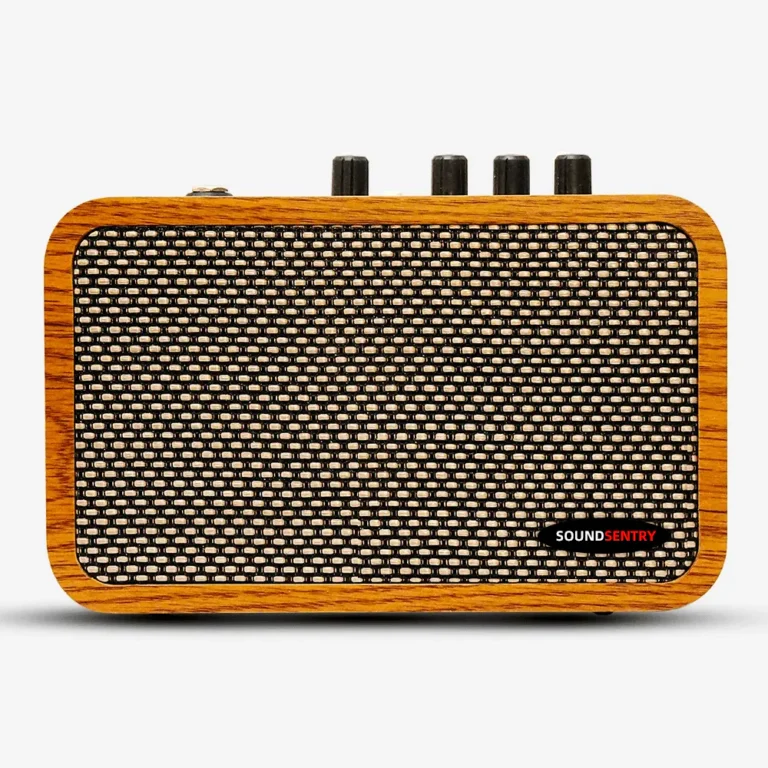
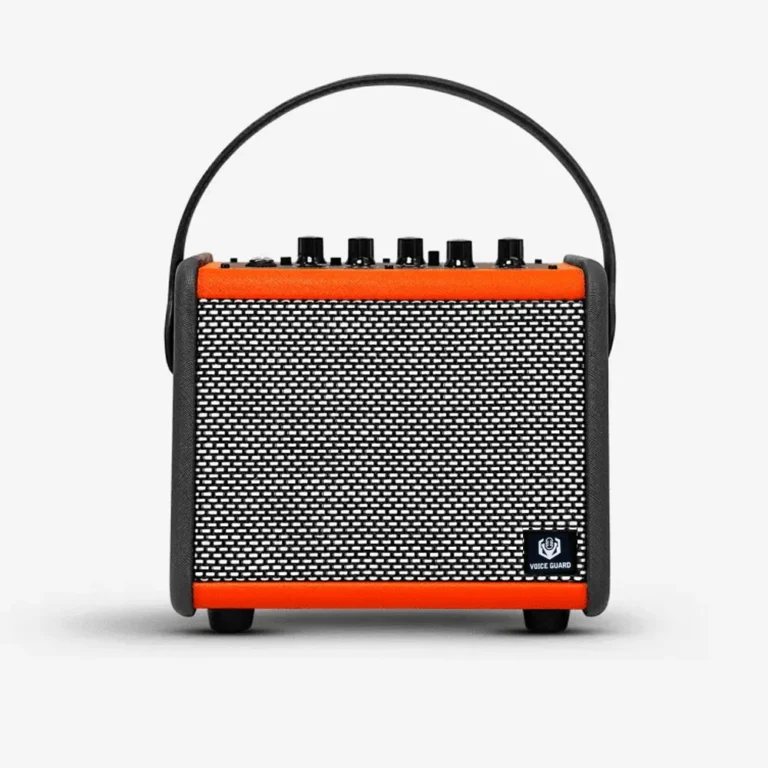
The QG-15 portable electric guitar amplifier currently lists a 3.5 mm headphone output, external audio input, Bluetooth playback and internal recording. That is a useful sample candidate, but the product page does not define every signal-routing detail. A brand or importer should ask for an agreed function matrix rather than assume that all inputs mix, mute or record in a particular way.
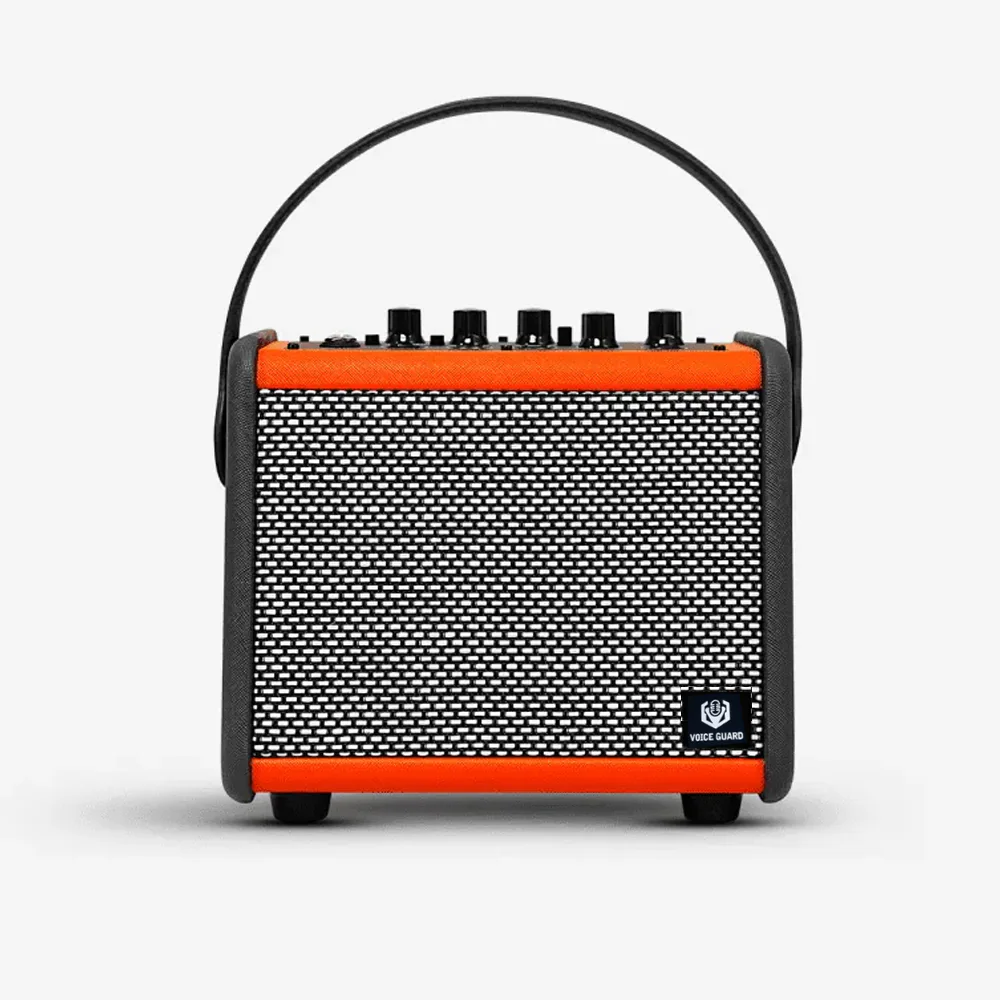
Actual catalog photo. Confirm ports and function behavior on the approved configuration.
Draw the listening path before testing
List the sources the buyer wants to use: guitar, external audio player and Bluetooth playback. Then list destinations: built-in speaker, headphones and any recording function selected for the project. Test one source at a time, then the intended combinations. Record the position of volume and effect controls. A simple matrix makes omissions visible and helps the supplier explain what is supported by this configuration.
The point is not to demand every possible combination. For example, a practice buyer may want backing audio in the headphones while another project prioritizes a clean speaker demonstration. Define the user journey first and ask the supplier to confirm which paths the sample implements.
| Test state | What to record | Acceptance question |
|---|---|---|
| Guitar only | Speaker and headphone sound | Does the output behave as documented? |
| External audio only | Level and distortion | Is the input usable at normal source levels? |
| Guitar plus external audio | Balance and control interaction | Can the target user hear both as intended? |
| Headphones inserted | Speaker state and plug noise | Is muting or continued playback documented? |
| Cable removed and reinserted | Recovery behavior | Does the selected mode return predictably? |
Use representative devices and safe levels
Use the cables, headphones and source devices likely to be shipped or recommended. Start at low volume to protect hearing and equipment, then increase gradually within the agreed test range. Include different headphone impedances and external source levels only where they matter to the target market; log the exact devices and settings so the test can be repeated. Check for hum, channel imbalance, unexpected clipping and pops during connection changes.
For Bluetooth, test pairing, reconnection and the relationship between phone volume and amplifier controls separately from the wired external input. Do not assume the Bluetooth path has the same latency or routing as the guitar input. The existing portable amp sample checklist covers the broader sample; this guide narrows the decision to listening and connection behavior.
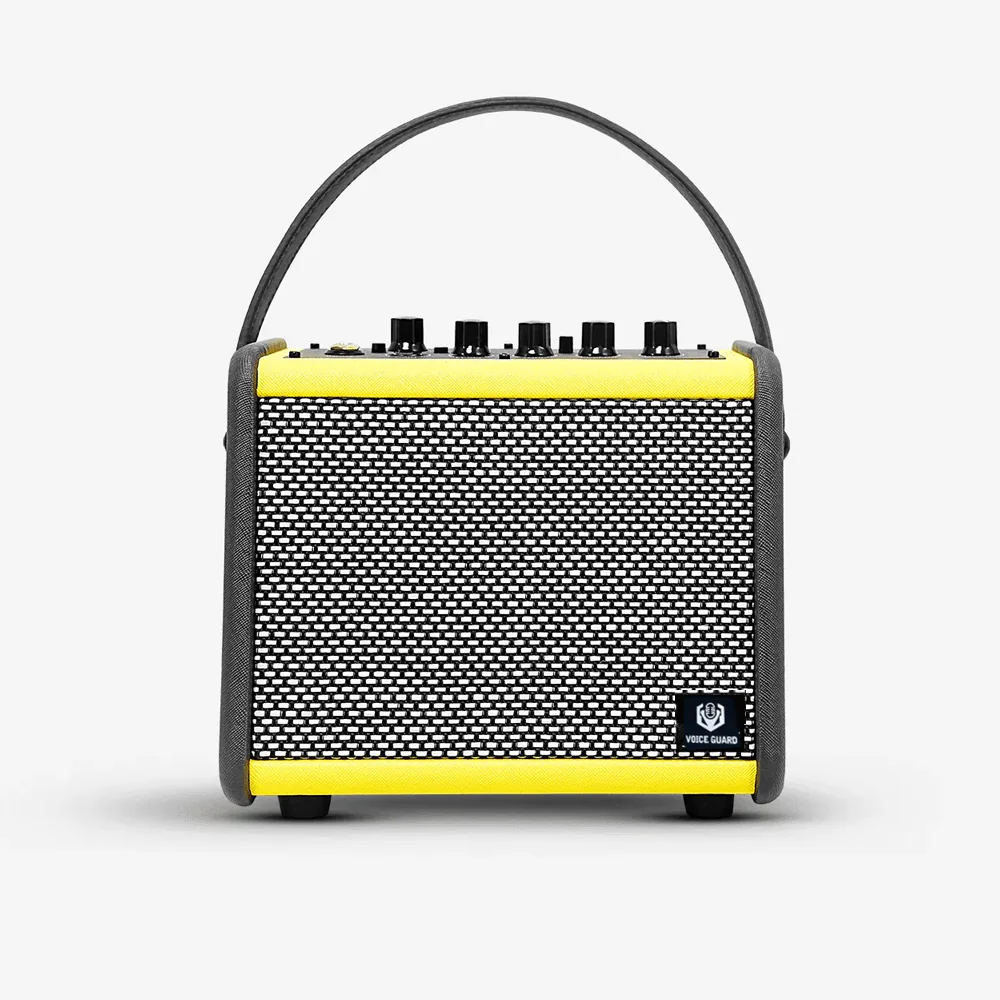
Gallery image for visual reference; connector behavior requires bench and player testing.
Align manual, packaging and accepted sample
Write the exact accepted behavior into the function sheet. If plugging in headphones mutes the speaker, state it; if it does not, state that instead. Do not write “simultaneous playback,” “recording output” or compatibility with a particular accessory until demonstrated on the selected sample. Review the control labels and manual diagrams against the physical ports. A mismatch can become a support issue even when the electronics are working as designed.
For a repeat order, keep the approved sample, firmware or board revision when applicable, test devices and result matrix. Re-test if a connector, board, enclosure or software version changes. The rechargeable amplifier buyer guide covers power and charging; do not use those checks as a substitute for signal routing.
What to send in the RFQ
Provide target market, intended practice scenarios, required inputs and outputs, headphone plug format, preferred cables and accessories, expected quantity, manual languages and a sample test matrix. Ask for any model-specific specification sheet and demonstration of the proposed routing. Send a QG-15 inquiry with those requirements instead of requesting an unsupported universal feature list.
Frequently asked questions
Does inserting headphones always mute the speaker?
Do not assume so. Check and document the behavior of the exact sample and configuration.
Is Bluetooth playback the same path as a wired external input?
Not necessarily. Test both independently and compare level, control response and reconnection behavior.
Can a manual be finalized before testing the ports?
It should reflect the approved sample. Port labeling and use instructions should be checked against physical operation before print approval.
Conclusion
A small routing matrix turns vague connection claims into observable sample evidence. That gives buyers, product teams and after-sales staff one consistent description of what the selected amplifier actually does.
Plan Your OEM/ODM Project
Share your target product, market, estimated quantity, branding, packaging and certification requirements with the SoundSentry Technical Team.
View Related Products Request Product Information or a Quote