One Supplier or Several? A Sourcing Decision for Guitar Electronics Brands
Compare one and several supplier routes for guitar electronics by model evidence, project ownership and cross-category handover.
For a brand adding amplifiers, effects and wireless products, supplier structure changes who coordinates samples, artwork, documents and later changes. A single contact point may help, but only if the proposed models can actually be evaluated. The buying decision is which work the brand can manage itself and which work a supplier can document for each category.
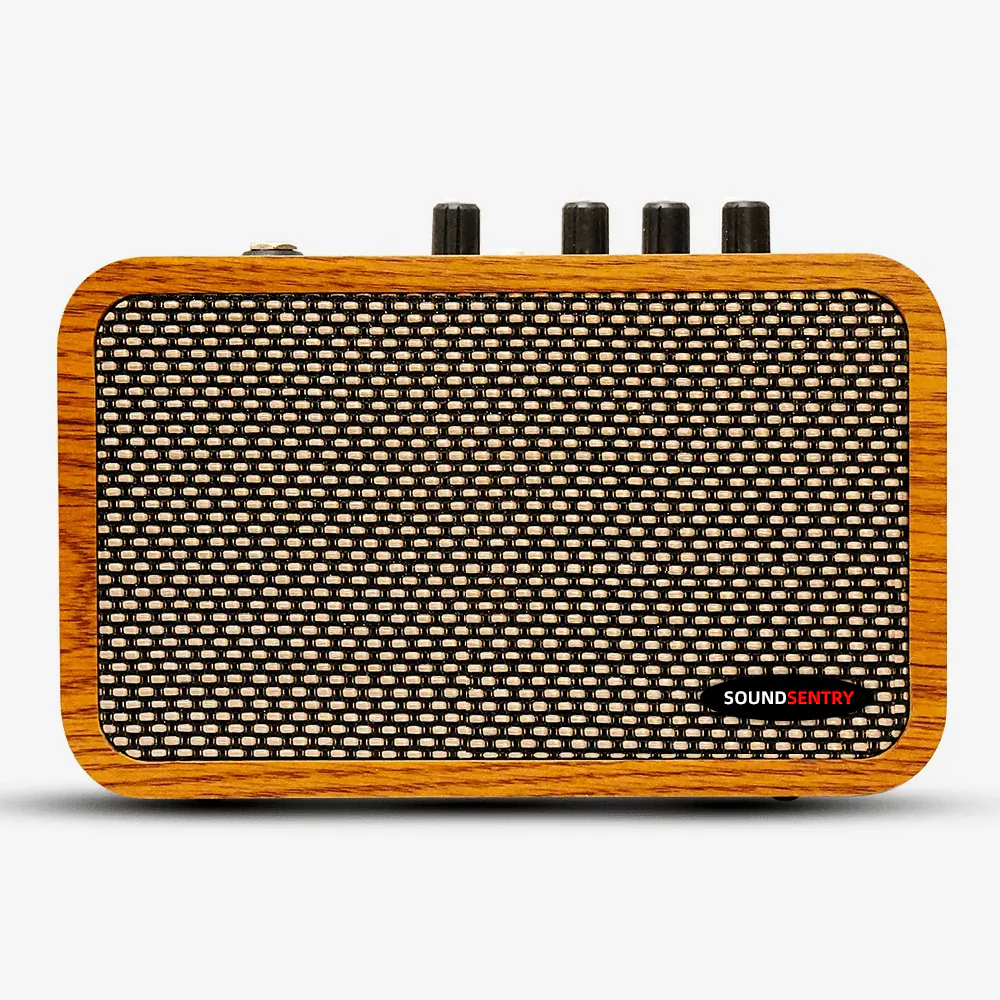
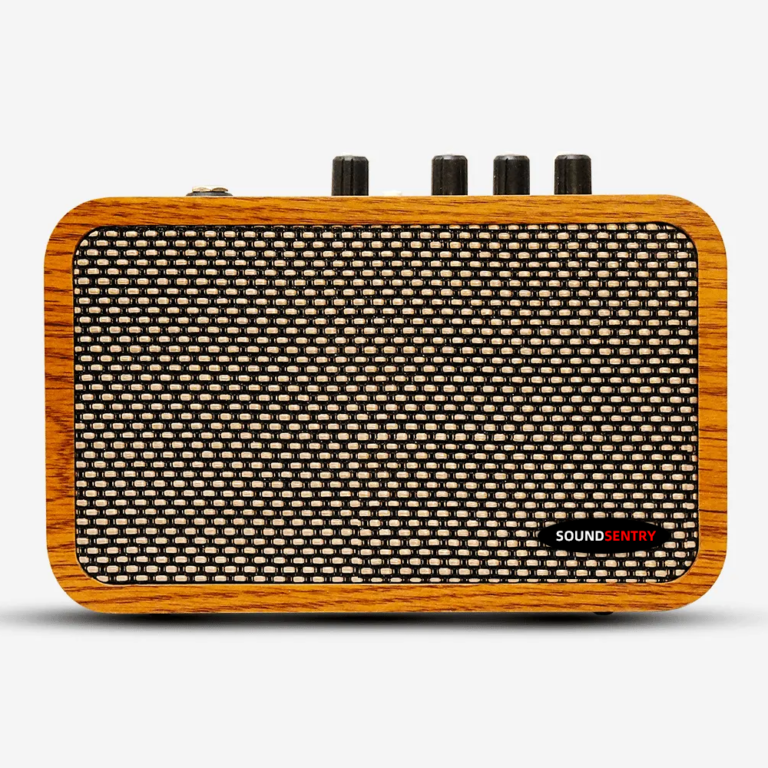
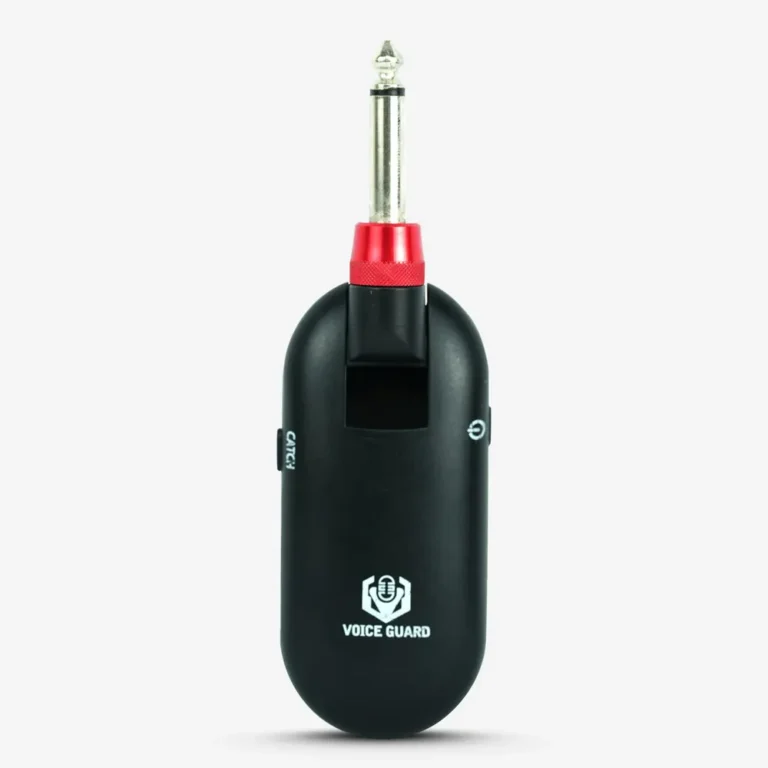
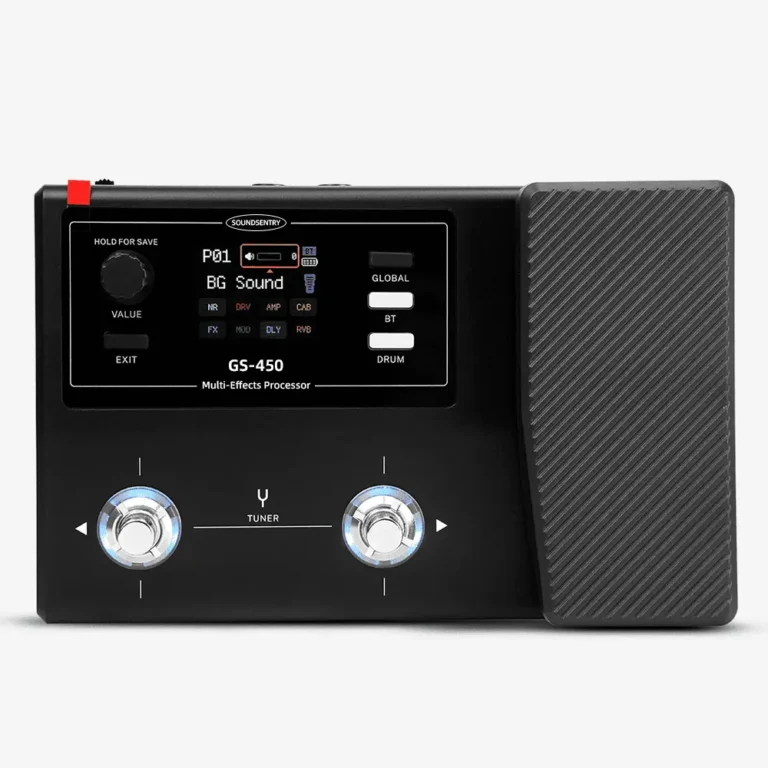
SoundSentry shows examples across guitar amplifiers, wireless systems, pickups, effects and accessories in its product range. The page identifies categories, not an approved sourcing plan for a buyer’s market. Ask for current candidate models before assigning any category to a supplier.
Put the same brief in front of every candidate
List the intended market, channel and buyer requirement for each category. Send candidates the same short request: model or development route, sample path, documents for the exact configuration, branding and packaging scope, and the person who would receive a change request. Ask for a response by model. The comparison is about who can close each requirement, not whether one catalogue looks broader.
| Decision point | One supplier across categories | Several category suppliers |
| Product fit | Check each model rather than relying on range breadth | Check that specialist products fit one coherent range |
| Project communication | Establish one owner for cross-category questions | Assign a brand-side owner to combine answers |
| Evidence | Request documents and sample records for every model | Normalize different suppliers’ evidence formats |
| Handover | Check how packaging, data and support information will be coordinated | Reconcile separate artwork, manuals and support routes |
Choose a route by category, then test the shared work
Suppose an amplifier and effects candidate have identifiable samples and documents, while the proposed pickup has not been checked against the target instruments. Continue the first two evaluations and leave the pickup route open. A specialist could handle that category later if its evidence and project terms fit better.
Now check the shared work that the brand would otherwise coordinate: artwork versions, language files, sample approvals and product information handed to dealers. If one supplier proposes to manage these items across several categories, ask for the owner and deliverable for each. If several suppliers are used, the brand needs its own owner for the combined launch file. Neither route removes model-level approval.
Do not compare only quoted unit prices. Note what each response includes: sample work, artwork, instructions, test evidence and responsibility for changes. Keep any unconfirmed commercial terms as open questions rather than filling them from a different supplier’s quote.
Record a provisional route for each category
Record one of three states for each category: preferred for sample evaluation, alternate pending evidence, or out of current scope. Add the reason, missing record and decision owner. If a supplier cannot confirm a critical model requirement, keep that category open. The brand can still move another category forward without implying a final award for the whole range.
For an initial discussion with SoundSentry, send the proposed categories, target market, candidate models or use cases, estimated quantity by item and the evidence you need to make a decision. Start a model-specific RFQ.
Frequently asked questions
Is one supplier always simpler for a multi-category launch?
No. It may reduce the number of contacts, but each product still needs its own sample, documents and approval route. Compare the actual work and evidence for the candidate models.
When should a brand retain two suppliers in one category?
Keep alternatives open when a critical requirement is unresolved, or when the approved versions serve different markets or channels. State which model and condition each supplier is being evaluated for.
Plan Your OEM/ODM Project
Share your target product, market, estimated quantity, branding, packaging and certification requirements with the SoundSentry Technical Team.
View Related Products Request Product Information or a Quote