How to Compare Guitar Electronics Samples from Different Suppliers
A repeatable buyer method for comparing guitar electronics samples, recording test conditions and separating preference from approval.
If two suppliers send samples for the same buying requirement, a short playthrough may tell a team which one it likes. It will not explain a later purchasing decision unless the team records what it tested and what it did not. Define the decision before opening the boxes: is the sample ready for further evaluation, in need of revision, or outside the brief?
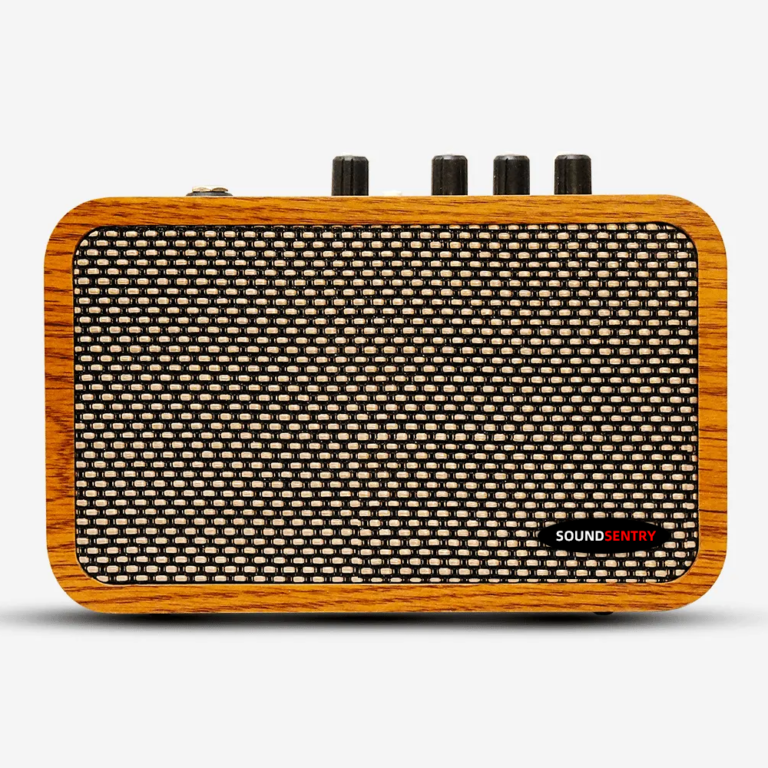
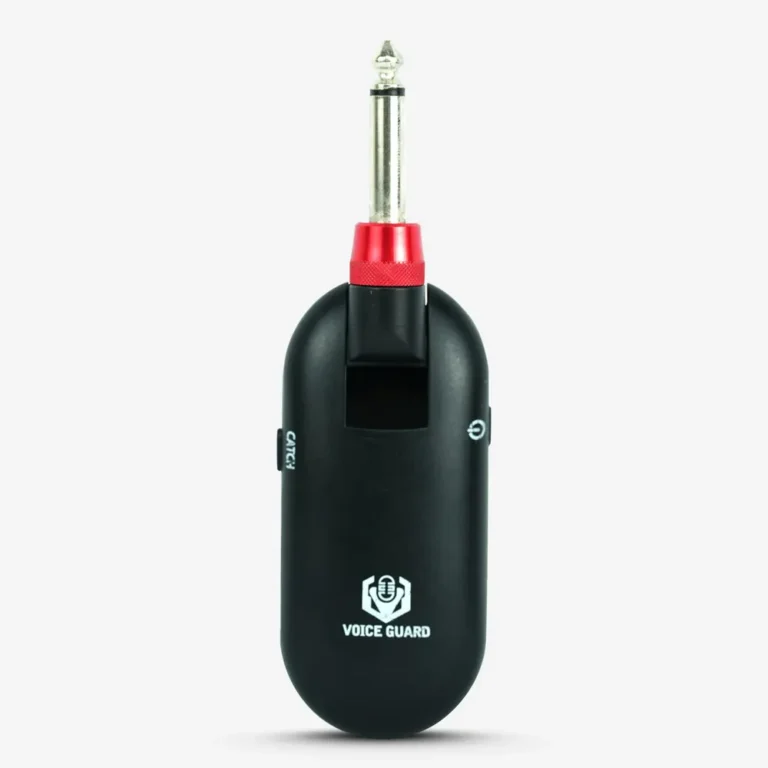
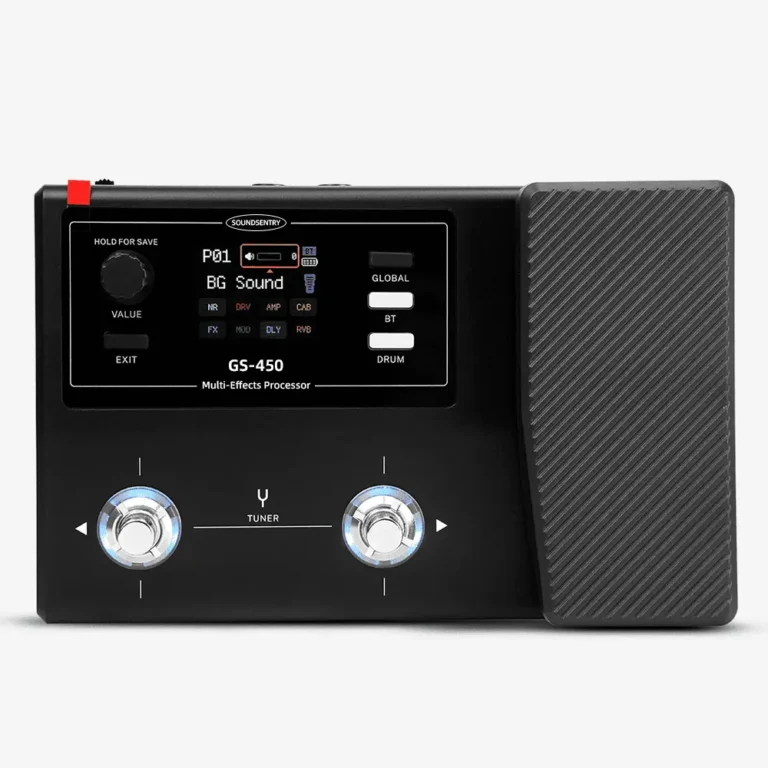
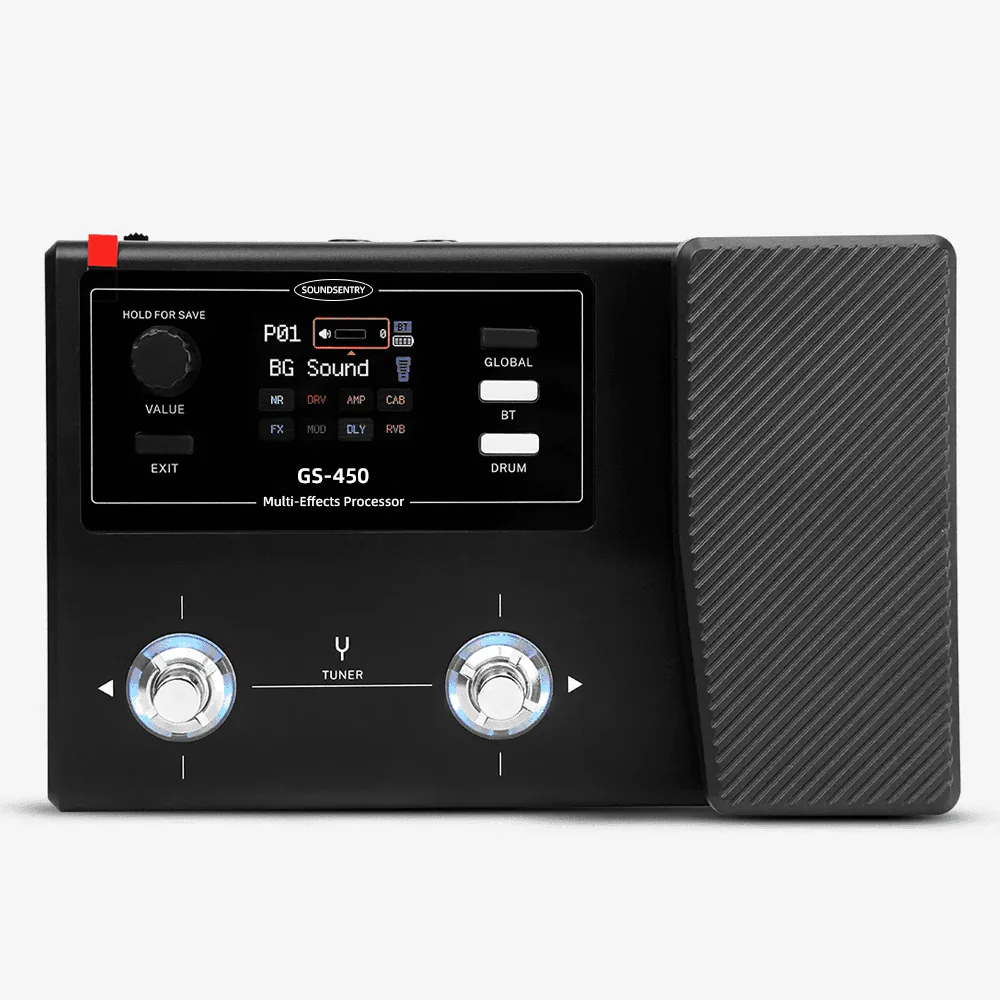
Start with the intended use, market and candidate configuration. Confirm the model and revision of every unit before testing. SoundSentry’s current product range shows the categories it presents publicly; a photograph cannot establish a sample’s specification, availability or approval status.
Write the must-pass conditions for the intended use before hearing either sample. Keep those separate from preferences such as control feel or a sound character the brand favors. Do not force amplifiers, wireless systems and pickups into one numeric ranking. Compare candidates only within a defined category and application.
Make the conditions repeatable
For amplifier candidates, record the guitar, cable, control settings, power source, room and listening position. Note any playback input separately. For wireless candidates, document the guitar and receiving equipment, physical setup, other active systems and the actions used to reproduce any interruption. For pickups, specify the instrument and mounting arrangement. If a model requires a different connection or setup, log that difference so a later reviewer understands the comparison.
One person should prepare a short test sheet before the session. Give each candidate a sample ID and a place to record the setup, observed behavior, open question and next action. Take photos of labels and connections. If the setup changes between candidates, record the change. Otherwise a later reviewer may mistake a change in the test rig for a change in the product.
| Record | What the buyer writes down | Why it matters |
| Identity | Model, variant, revision and sample date | Connects observations to the correct unit |
| Conditions | Instrument, signal path, power and environment | Makes a retest possible |
| Observation | What happened and how it was reproduced | Separates evidence from a general impression |
| Decision | Meets the stated condition, needs retest, or falls outside the brief, with owner | Prevents an undecided sample from becoming an approved one |
Separate observations from preferences
“The controls were hard to find during this demo” is a usable observation if the tester notes the sequence and setup. “Supplier A has better quality” is not an adequate conclusion from one session. Record sound preference separately from functional or documentation failures. A preference may matter for the target range, but it should not be presented as a universal measurement.
If a candidate is missing an instruction sheet or market document needed for approval, keep that item pending. Do not score missing evidence as a product failure or silently give it a pass. Request the document, confirm the version it covers and rerun the affected step when needed.
Close the trial with a decision that can be explained
After the session, list which prewritten conditions each sample met, which require a retest and which were outside the trial. Attach only the photos or short clips needed to reproduce a finding. Send the same unresolved questions to each supplier, then compare their answers against the original brief. A buyer can prefer a sample without claiming that it passed tests that were never run.
If you are evaluating a SoundSentry candidate, include the intended use, target market, model, sample stage and planned test conditions in the RFQ.
Frequently asked questions
Can a brand use one score for amplifiers, wireless systems and pickups?
Use a common decision status, but define category-specific tests. A single numeric score would hide different evidence and acceptance conditions.
Does a successful demo approve the production order?
No. Confirm the specification, sample version, documentation and agreed production acceptance criteria separately.
Plan Your OEM/ODM Project
Share your target product, market, estimated quantity, branding, packaging and certification requirements with the SoundSentry Technical Team.
View Related Products Request Product Information or a Quote